


Choosing the Right Measuring Tool for the Job
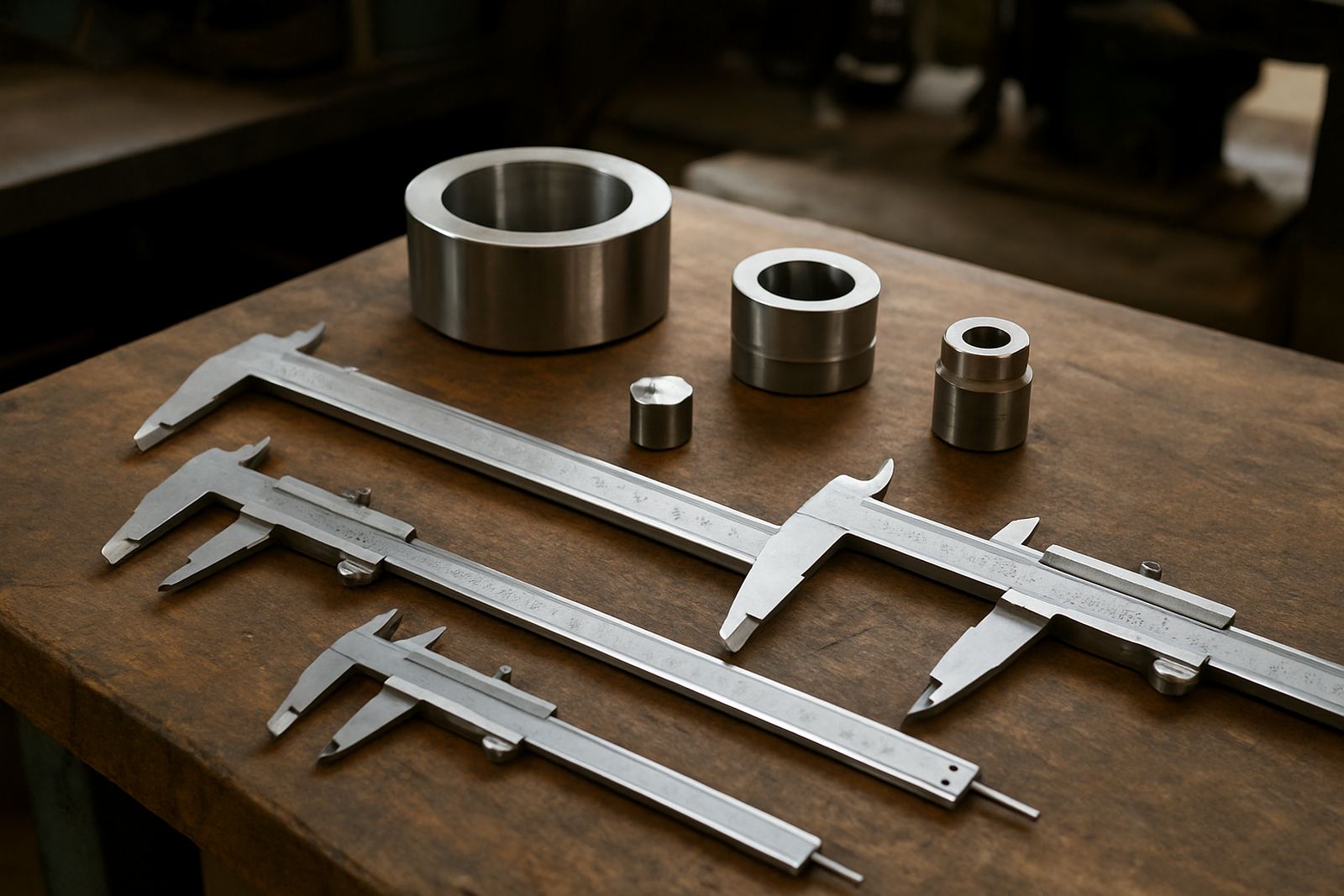
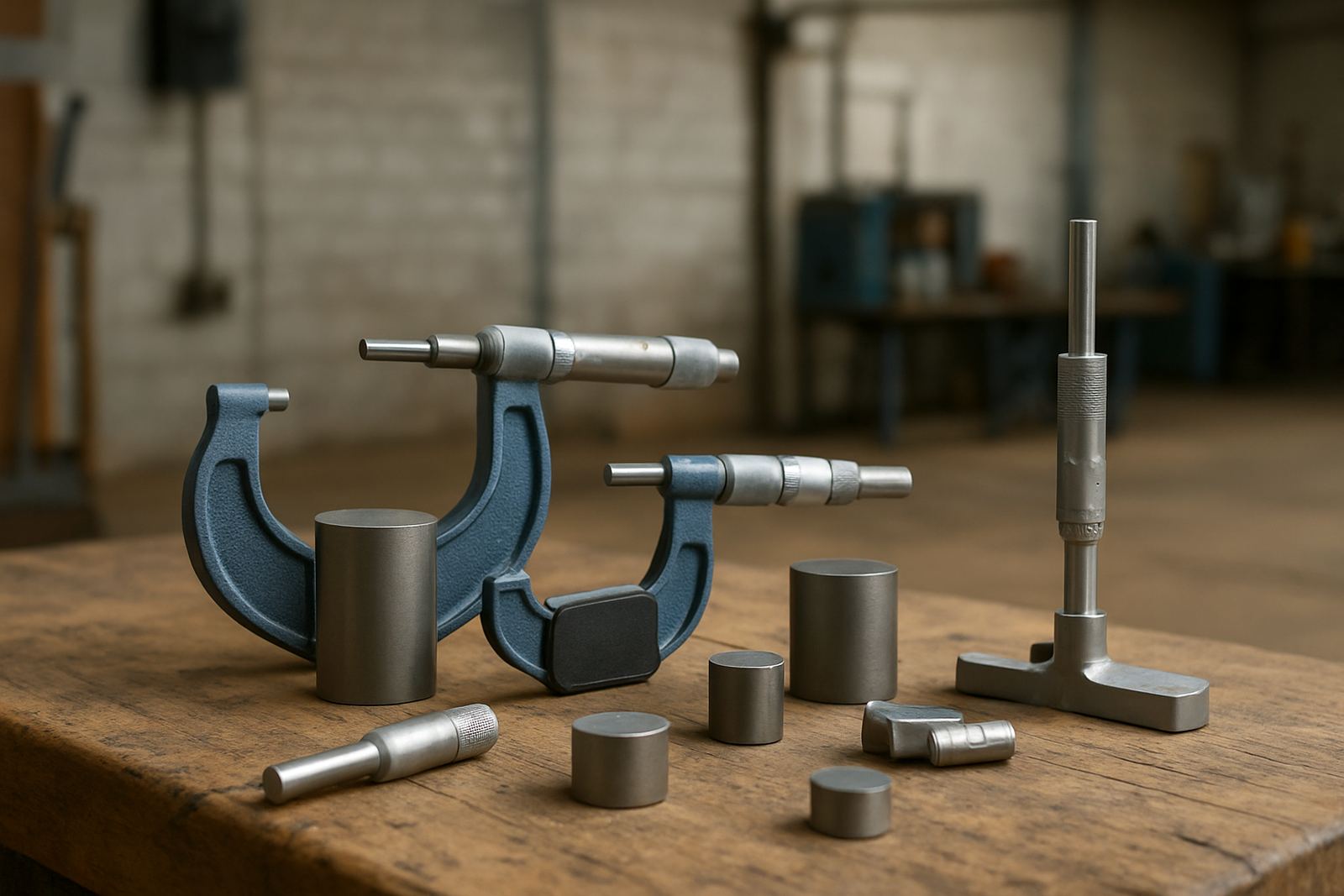
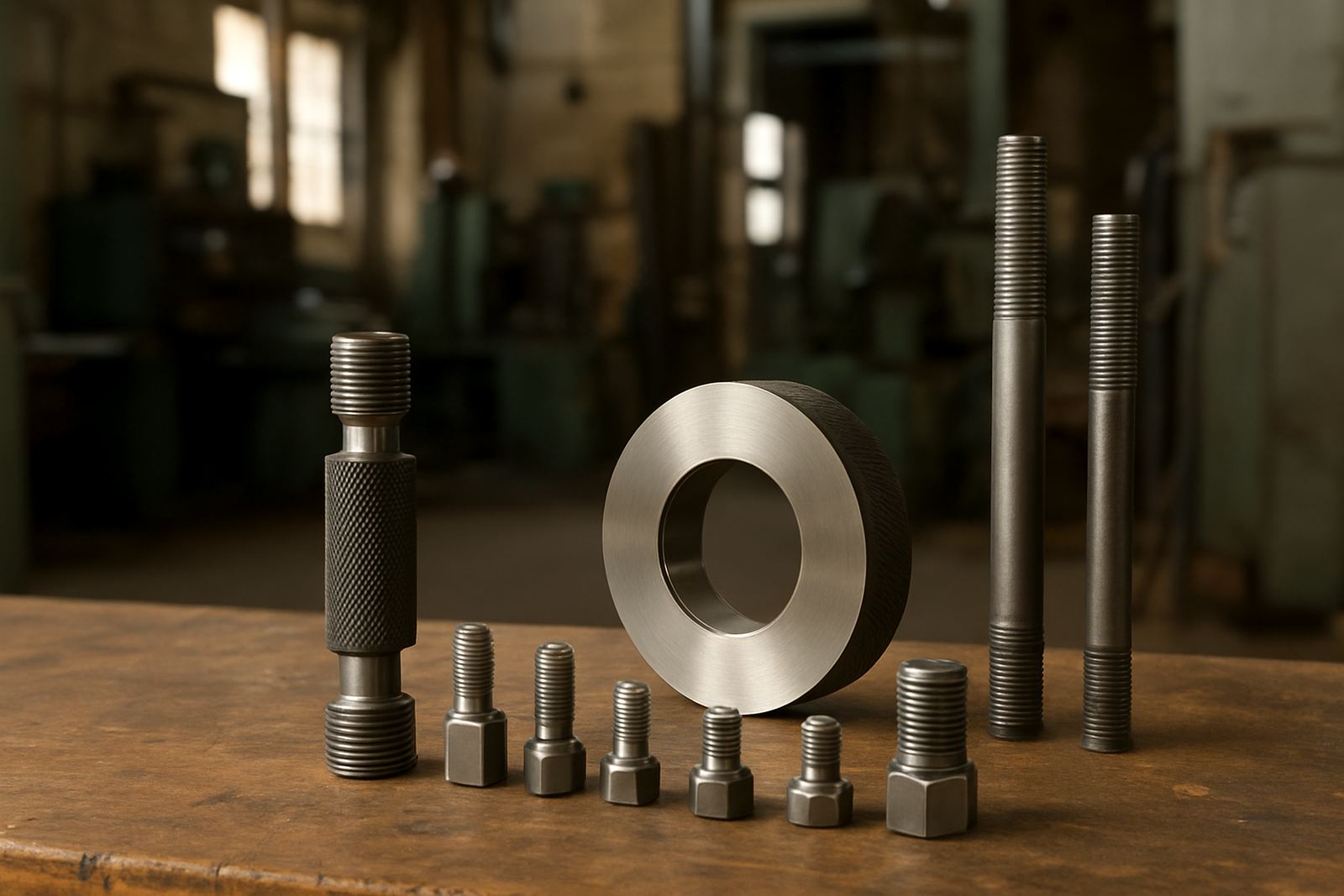
Not every measuring instrument suits every task. A vernier caliper is useful for general checks on shafts, slots and outside dimensions, while a micrometer gives tighter control where thousandths of a millimetre matter. Gauges are often the better choice for repeat checks in production, especially when the same part is measured many times a shift.
Before you buy, match the tool to the tolerance on the drawing, the size range you need and the environment it will work in. In Isando, Germiston and Boksburg we often see tools selected for bench work then pushed into dusty or oily areas where the finish and sealing are not up to the task.
- For quick dimensional checks, choose a caliper with the right measuring range.
- For tighter tolerances, a micrometer is usually more suitable.
- For repeat inspection, fixed gauges can save time and reduce operator variation.
- For site work, consider handling, display clarity and battery life.
Reading Accuracy Without Guesswork
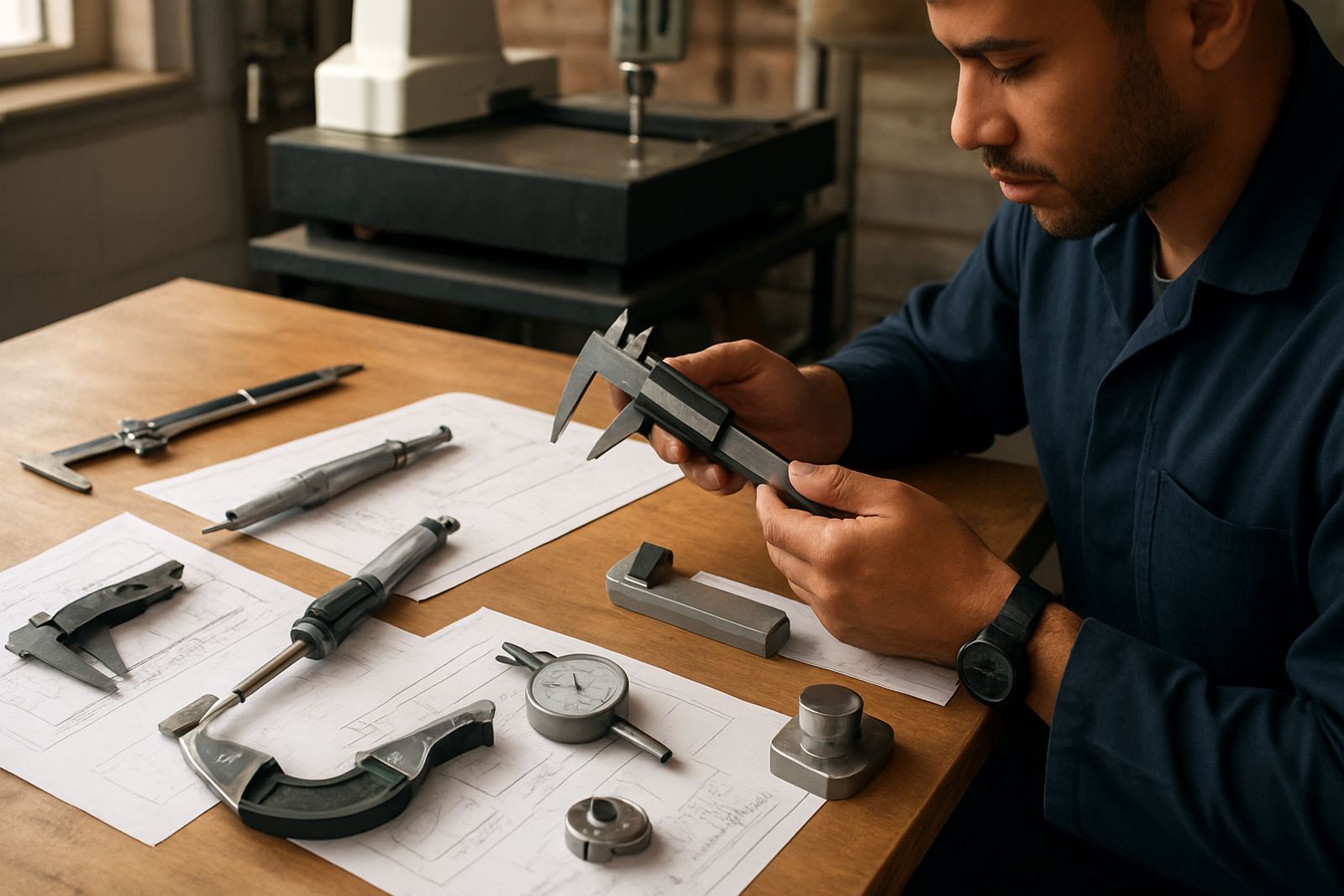
Good measurements start with a clean tool and a steady hand. Wipe the jaws, anvils or contact points before each use and check that the tool closes properly. If a display flickers after a week of heavy use or the spindle feels gritty, stop using it until it has been checked. Small faults can turn into expensive errors on a job sheet.
Read the scale straight on and keep the part aligned. A slight tilt can alter the reading, especially on gauges and micrometers. When staff are working under pressure, it helps to use one method across the site so results stay consistent between shifts.
- Check zero before starting a measurement run.
- Use consistent pressure on contact tools.
- Keep tools in their case when not in use.
- Record readings in the same unit each time, usually millimetres.
Handling and Storage in South African Conditions
Johannesburg’s dry winter air, coastal humidity in other regions and workshop dust all affect measuring tools. A clean cloth and proper storage go a long way. Leaving precision tools loose in a toolbox, near cutting fluid or on top of a machine invites damage and corrosion.
For sites in Meadowdale, Kempton Park and Jet Park, storage matters just as much as use. Keep tools away from magnets, moisture and vibration. If a tool is used outdoors or in a plant with temperature changes, let it settle before taking a final reading so expansion does not throw off the result. It sounds simple, but it saves a lot of rework.
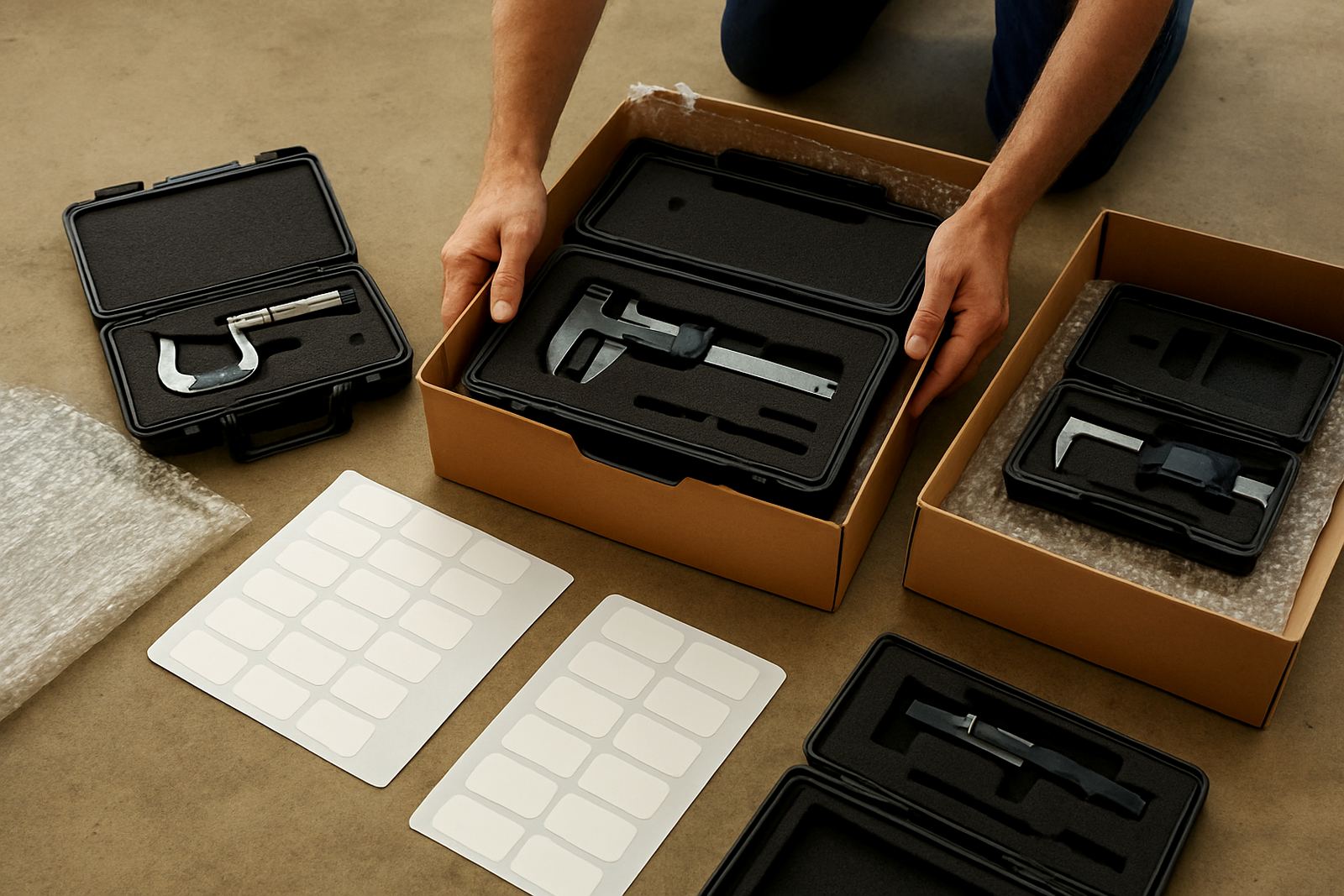
- Store tools in fitted cases or lined drawers.
- Do not mix calibrated tools with general workshop hand tools.
- Keep contact surfaces lightly oiled where suitable.
- Avoid leaving tools on window sills, vehicle seats or machine guards.
When Calibration Should Be Part of the Routine
Calibration is not only for audits. It is part of keeping measurements trustworthy in everyday production, maintenance and quality control. If a tool is dropped, overloaded or used on a harsh site, it should be checked again. The same applies when a job depends on traceable results for a customer specification or municipal or compliance work.
Our calibration lab in Isando, Kempton Park supports instruments used across the region and courier collection is available nationwide. That helps teams keep tools in service without sending staff out of the plant. For managers, it also makes it easier to plan service intervals and avoid last minute stoppages.
- Schedule calibration based on use, not only on age.
- Shorten intervals for tools used daily on critical jobs.
- Recheck after repairs, drops or suspected drift.
- Keep a log of serial numbers and service dates.
Practical Guide for Buyers and Stores Teams
Stores teams often choose tools on price alone, but the cheapest option is not always the least costly over time. A well made instrument that holds its setting and is easy to read can reduce rejects, rework and operator frustration. If several technicians use the same tool, choose a model that is simple to reset and easy to teach.
It also helps to think about spares, contact points, batteries and case replacements before purchase. A tool that cannot be supported properly becomes a problem during busy periods. This is especially true for factories working through overtime or running on backup power, where any delay has a knock-on effect.
- Confirm the full measuring range needed on site.
- Check how the tool will be cleaned and stored.
- Ask whether replacement parts are easy to source.
- Choose tools that suit the skill level of the operator.
Support for Engineers, Technicians and Production Teams
Accu works with engineers, manufacturers and technicians across Johannesburg and surrounding industrial areas, including Edenvale, Germiston, Boksburg, Midrand and Kempton Park. Our team can help you compare instrument types, plan calibration cycles and keep measurement equipment in service with less disruption.
Lebohang Motaung leads the business, with Rukshana Manuel managing operations, Bertus Swanepoel handling senior calibration work and Candice Jacobs overseeing quality. Khanyisile Nxumalo supports customer enquiries, while Tshepo Radebe coordinates field service where required. If you need guidance on a specific instrument, use the enquiry form on our contact page and we will take it from there.