

Start with the instrument list and the tolerance you must hold
Before you send out any tools, make a complete list of what needs calibration and how each item is used on site. A vernier caliper in a workshop, a micrometer on a production line, and a pressure gauge in a plant room all need different checks and different levels of traceability. If you are in Isando, Kempton Park, Edenvale or Germiston, it helps to work from the actual instruments in circulation, not just a purchase register.
Ask yourself what the instrument is measuring, how often it is used, and what tolerance your process allows. A device that is out by a small amount can still pass a casual visual check and cause scrap, rework or a customer complaint later on. In South African manufacturing and engineering environments, that risk is often bigger than the cost of calibration itself.
- List every instrument by type, size and serial number.
- Note where it is used and how critical it is to the job.
- Record the tolerance or acceptance limit you work to.
- Separate daily-use tools from backup or seasonal equipment.
Check that the lab can prove traceability and method
Good calibration is not only about taking a reading. You need to know what standard was used, what method was followed, and whether the result can be traced back through recognised reference equipment. That matters when a customer queries a reading or when an internal audit asks for proof.
Ask for certificates that show the before and after values, the as-found condition, the as-left condition, and the date due for the next check. If your business works with local municipalities, export specs or regulated manufacturing, clear paperwork can save time later. A proper record set also makes life easier when a supervisor changes or when a file is needed months after the job was done.
- Confirm that certificates include serial numbers and measurement results.
- Ask whether out-of-tolerance items are clearly marked.
- Check that the calibration method suits the instrument and application.
- Keep certificates with your maintenance and quality records.
Compare turnaround against downtime and production delays
Turnaround is often where a supplier proves whether they understand real production pressure. If a line cannot stop, even a day without a key gauge or multimeter can affect output. Ask how long standard jobs usually take, what happens when urgent items come in, and whether courier collection is available nationwide.
In Johannesburg and the East Rand, many firms plan around shift changes, stock counts and supplier deliveries. A partner that can organise collection from Kempton Park, Jet Park, Meadowdale or Boksburg and return the instruments with clear status updates will save your team a lot of follow-up. It also helps when workflow is interrupted and the maintenance window shortens unexpectedly, so tools can be quickly checked and returned to service.
Do not only ask for the fastest possible service. Ask for the service that is consistent and honest. A calibration partner should be able to tell you which items can be turned around quickly and which ones may need more detailed testing, repair referral or recheck. Thats the difference between planning and hoping.
Use a simple checklist before you send instruments out
A small amount of preparation before collection makes the whole process smoother. Clean the instruments, note any damage, and separate items that belong together such as gauges with their accessories or metres with leads and probes. If a tool has been dropped, exposed to moisture, or stored in a hot machine room, mention it upfront.
For field teams, technicians and maintenance departments in Midrand, Edenvale and Germiston, the best routine is to pack items in a labelled container and attach a short list. That reduces loss and avoids confusion when several departments send instruments at the same time.
- Clean the instrument but do not force any moving parts.
- Remove loose accessories only if the supplier asks for that.
- Note visible damage, wear or corrosion.
- Mark the department, contact person and return location clearly.
- Ask whether the item needs collection or can be dropped off.
Choose services that match your actual equipment mix
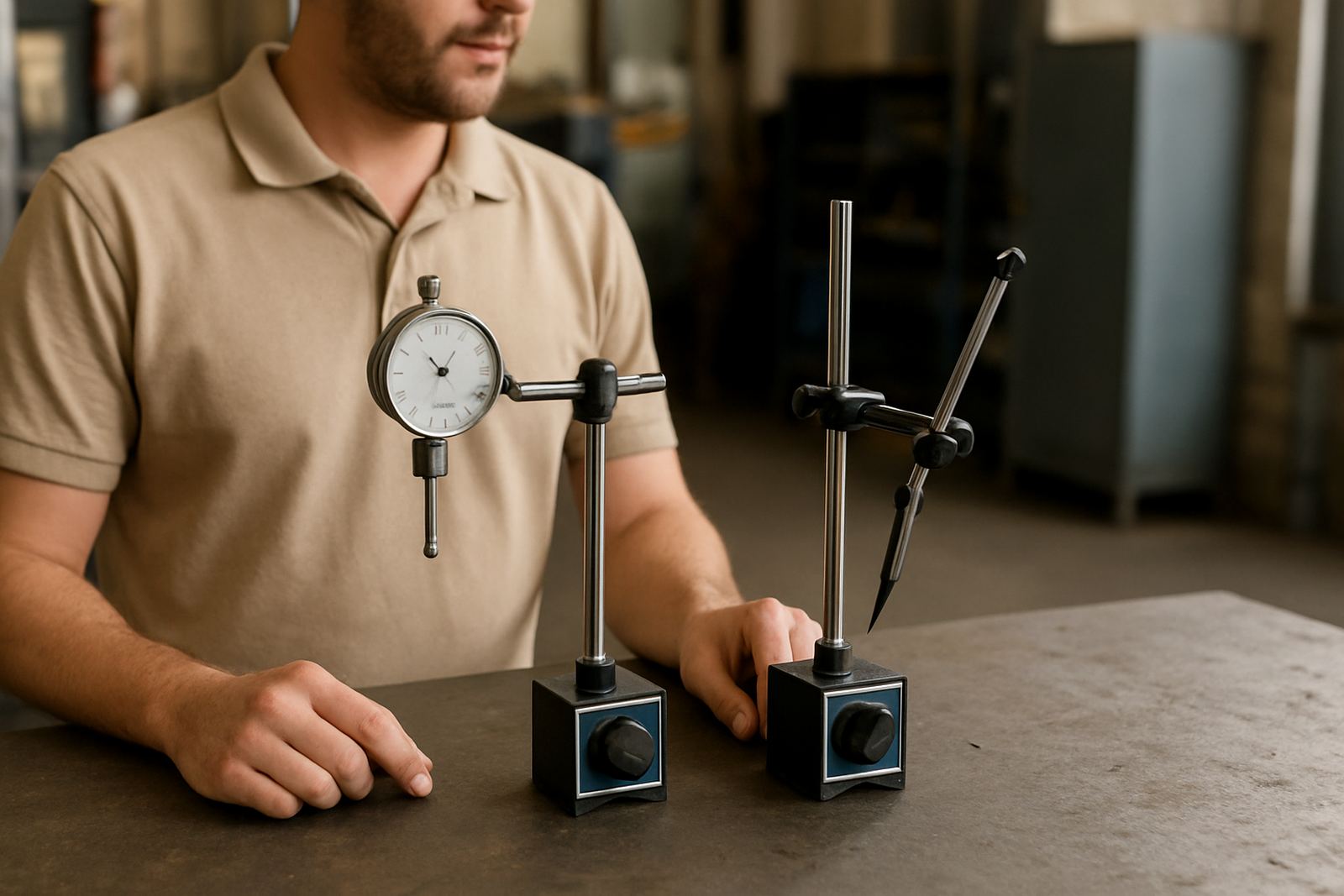
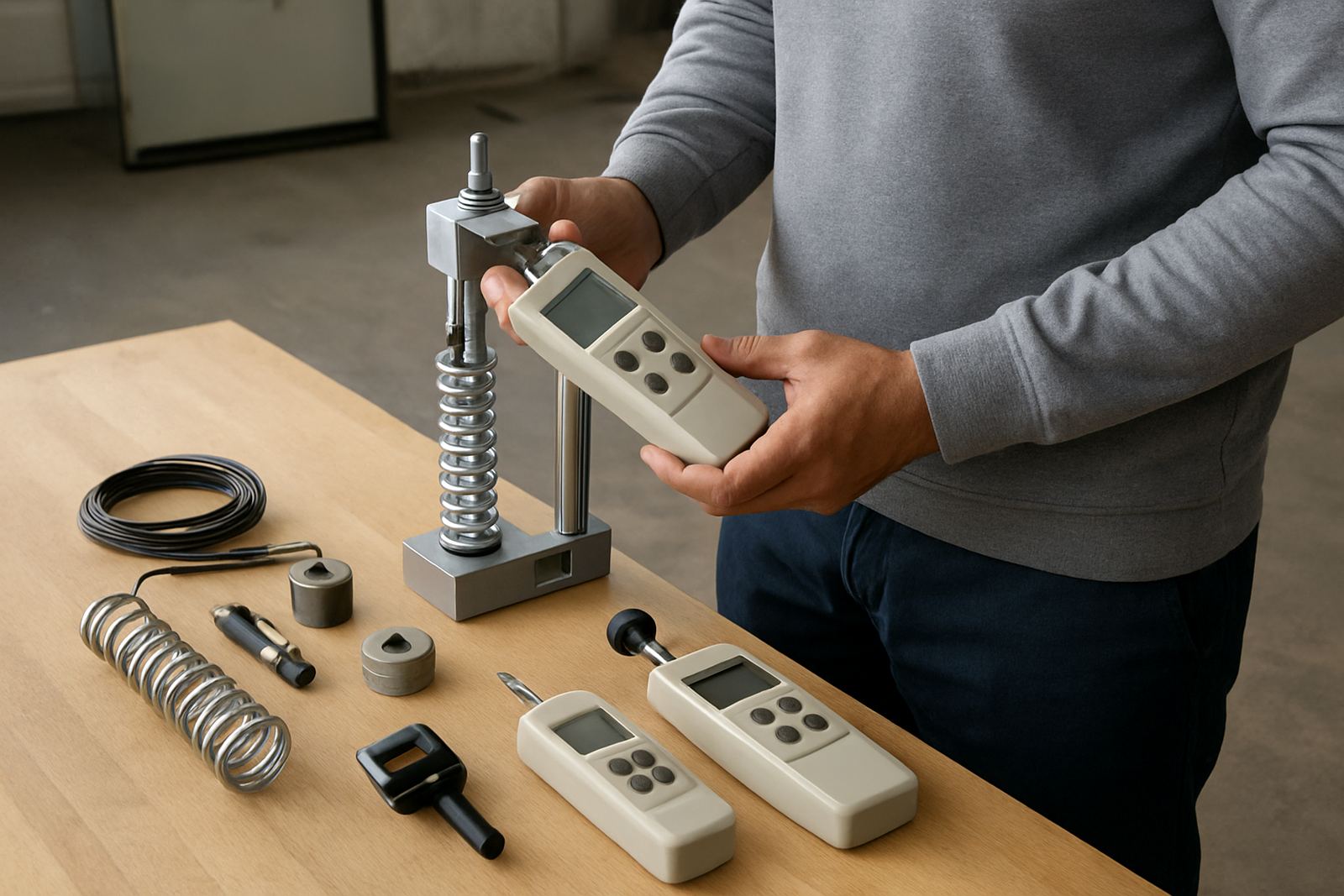
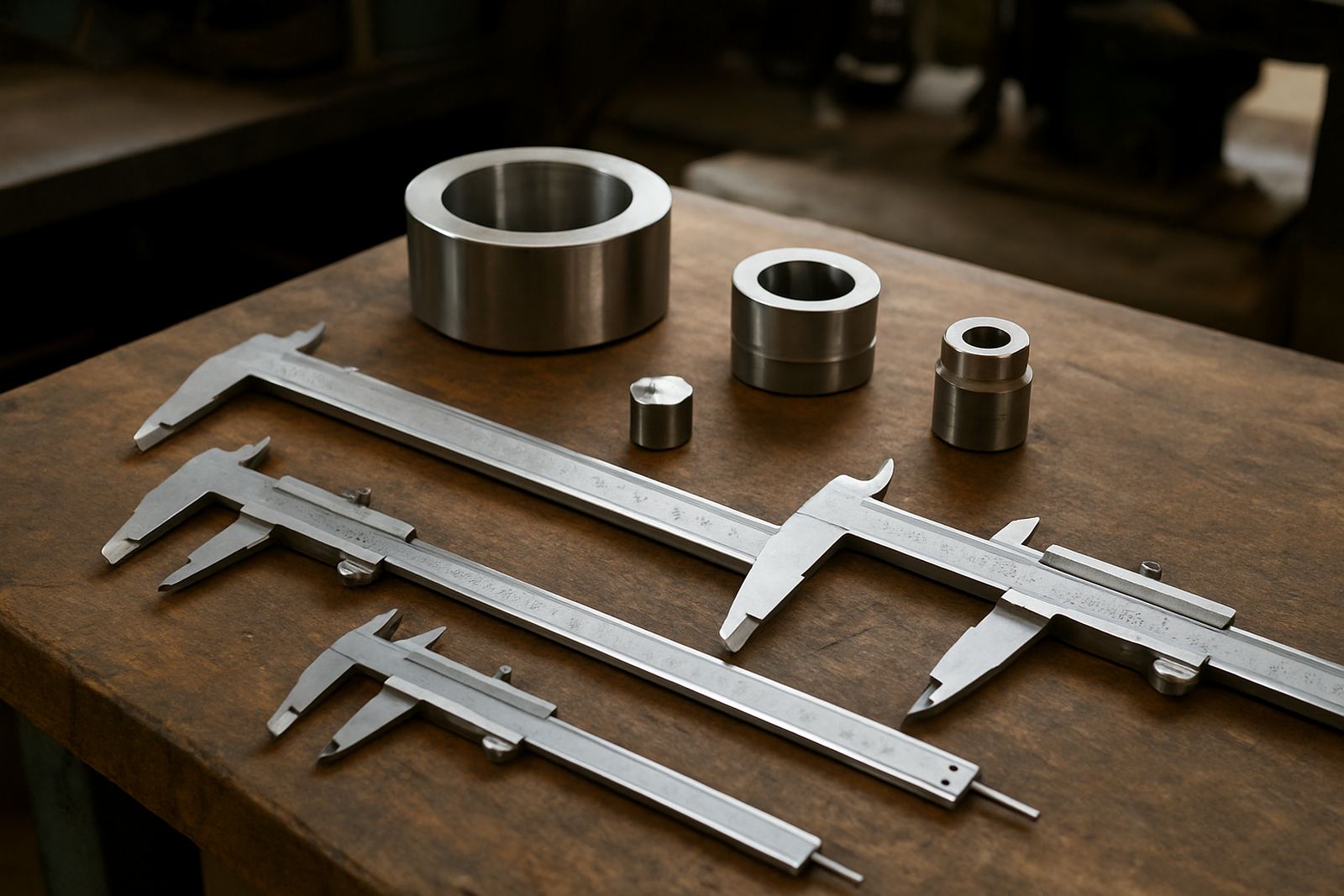
A reliable calibration partner should handle more than one instrument family. Most engineering and production sites use a mix of measuring tools, and each one needs a proper procedure. Caliper calibration, micrometer calibration and gauge calibration are common starting points, but many teams also need indicator calibration, height gauge calibration, torque tool calibration, force gauge calibration and pressure gauge calibration.
If your site includes environmental monitoring or electrical testing, ask about temperature calibration, humidity calibration and multimeter calibration too. That helps you keep one record system instead of using several suppliers for closely related jobs. For businesses in Isando and Kempton Park, that can reduce admin and make re-ordering or annual planning easier.
You should also ask whether the supplier can advise on service intervals. In some applications a 12 month cycle is enough, while in harsher environments or high-use workshops a shorter interval may be more practical. Coastal humidity, dust, vibration and repeated handling can all affect measurement stability.
Ask who is handling the work and how quality is controlled
It is fair to ask who is responsible for the calibration and how the quality checks are managed before release. You are trusting a supplier with instruments that affect parts, safety and compliance, so the process should be clear. A strong team usually includes operations, quality control, technical staff and customer support working together, not one person trying to cover everything.
Look for a process that includes incoming inspection, calibration, final review and documented release. If a reading falls outside tolerance, ask how the supplier reports it and what advice they give next. In some cases the tool can be adjusted, in others it may need repair or replacement. You want straight answers, not vague promises.
At Accu, customers across Johannesburg, from Edenvale and Boksburg to Midrand and Jet Park, use the enquiry form on the contact page to request collection or discuss a job. That keeps the process tidy and gives both sides a written record from the start, which helps when schedules change.