
Start With The Job You Need It To Do
Before you look at body size or price, decide what you measure most often. A caliper used on a workshop floor in Germiston for shaft checks needs to suit different conditions than one used in a clean inspection room in Midrand for small component verification. If you measure fast and often, the tool must be easy to read, quick to zero, and comfortable in the hand.
Think about whether you are measuring outside diameters, inside diameters, depths or step features. A general purpose caliper can cover all four, but some jobs call for a longer range or a slimmer jaw profile. If your team works across different shifts, or the same instrument is shared by several users, choose a model that is simple enough for consistent use with minimal training.
- List the parts you measure most often.
- Note whether measurements are external, internal, depth or step.
- Check how many times the tool will be used in a day.
- Consider who will use it and how much experience they have.
Choose The Right Measuring Range
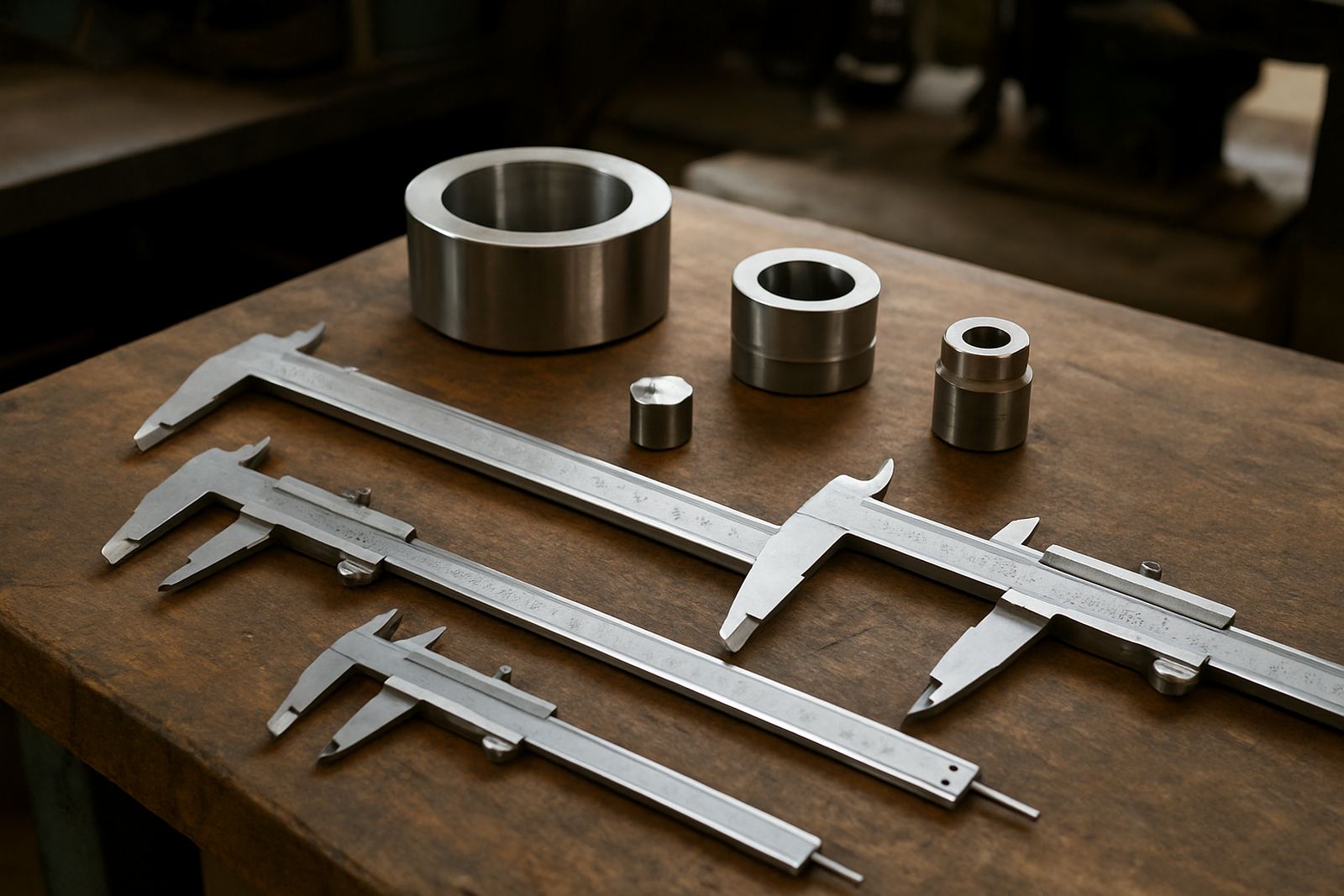
Range is one of the first choices to get right. A 150 mm caliper suits a large share of general engineering work, but it will not cover larger components used in fabrication, maintenance or light manufacturing. If you work on bigger assemblies in Boksburg or Jet Park, a 200 mm or 300 mm option may be better suited. Do not buy more range than you need, though, because larger tools can be harder to handle for small parts.
Measure the largest item you expect to check, then add a little spare capacity. That gives room for awkward shapes and worn parts. If your work is mainly small precision items, a compact caliper can be easier to control and less tiring over a long shift. For field service teams, the right range also reduces the need to carry multiple instruments.
- 150 mm is common for general workshop use.
- 200 mm to 300 mm suits larger industrial components.
- Choose a range that matches the biggest part you handle, plus a little margin.
- Avoid oversized tools if your work is mostly on small parts.
Match Resolution To The Tolerance You Must Hold
Resolution tells you how fine a reading the caliper can show. For many day to day tasks, 0.02 mm or 0.01 mm resolution is suitable, but the right choice depends on the tolerance of the part being checked. If you are working on fitted components, inspection checks or repeat measurements that must match drawings closely, finer resolution can help. If the tolerance is broader, a simpler reading may be perfectly adequate.
Do not confuse resolution with accuracy. A tool may show fine increments yet still need regular calibration to stay trustworthy. In precision work, the instrument must not only read small changes, it must also read them correctly. That is why calibration records matter, especially where quality systems, client audits or traceability are part of daily work.
- Use finer resolution for tight tolerances and inspection work.
- Do not pay for resolution you will never use.
- Check the required tolerance on the drawing or job card.
- Keep calibration current so the readings stay reliable.
Think About The Workshop Environment
The environment often gets overlooked, yet it has a big effect on tool life and repeatability. In high humidity near the East Rand, moisture can affect the feel and condition of the instrument if it is not stored properly. In dusty areas, debris can sit in the beam or jaw faces and cause bad readings. If the tool is exposed to coolant, oil or frequent handling, you need a caliper that is easy to clean and store safely.
For sites with variable working hours, select a model that remains practical in low-light conditions or when inspections take place away from the main workbench. Clear display, good contrast and simple operation help when conditions are less than ideal. If the caliper is used on site rather than in a controlled lab, consider how it will travel between jobs and whether it needs a protective case.
- Dust and coolant exposure call for regular cleaning.
- Coastal humidity and storage conditions affect long term condition.
- Good display visibility helps during low light or when working in dim workshop corners.
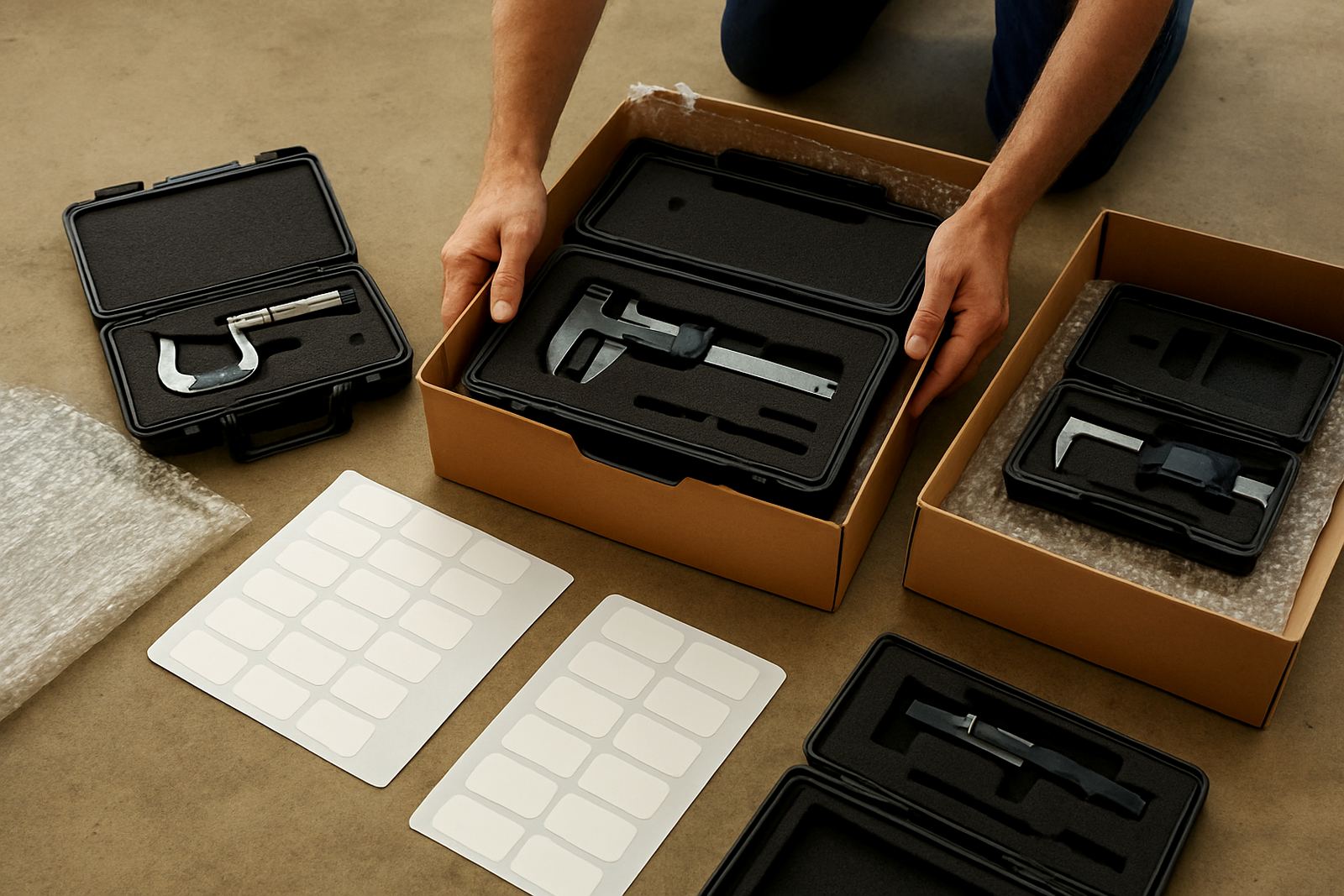
- Use a protective case for tools carried between sites.
Decide Whether Digital Or Vernier Fits Your Team
Digital calipers are popular because they are quick to read and reduce interpretation errors. That makes them useful where several operators share the same instrument, or where speed matters on the shop floor. Vernier calipers remain a solid choice for users who prefer a mechanical scale and do not want to rely on batteries. Dial calipers can also be suitable in some workshops, especially where a clear analogue reading is preferred.
The best option depends on how your team works. If your staff move between the warehouse, workshop and site visits in Kempton Park or Edenvale, a simple digital unit may save time. If you need a tool that can stay in service without battery checks, a vernier model can be practical. The important thing is that the instrument suits the people using it, not just the spec sheet.
- Digital suits speed and easy reading.
- Vernier suits users who prefer a battery free tool.
- Dial suits teams that like an analogue display.
- Pick the format your operators will use confidently every day.
Plan For Calibration And Ongoing Use
A caliper is only as dependable as its last verification or calibration. If your business depends on consistent measurements, set a routine based on usage frequency, not guesswork. A tool used daily on the production floor may need attention sooner than one used occasionally for spot checks. Keep records, mark the due date clearly and remove any unit that drifts outside tolerance.
At our calibration lab in Isando, Kempton Park, we work with businesses that need accurate measuring tools for engineering, manufacturing and maintenance work. Courier collection is available nationwide, which helps when teams are spread across Johannesburg, the East Rand or further afield. If you are selecting a new caliper, plan ahead for calibration as part of the purchase, not as an afterthought.
- Set a calibration interval based on actual use.
- Keep records with the instrument or asset register.
- Remove any caliper that gives inconsistent results.
- Factor in collection and turnaround time for ongoing maintenance.