
1. Start With a Clean Work Area and a Clear Count
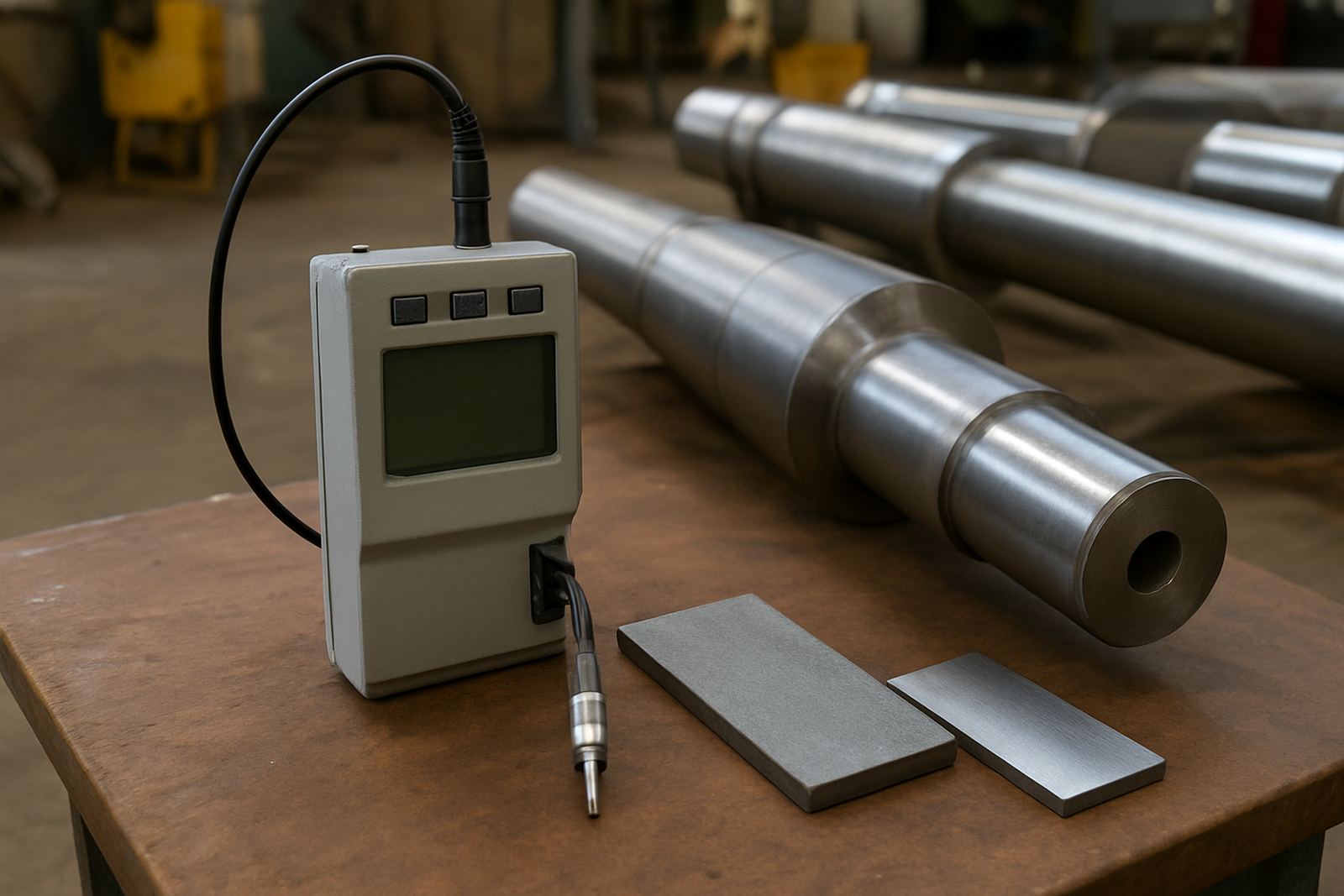
Before anything goes into a box, clear a clean table and lay out every instrument that must be collected. Count each item one by one, then match it against your job sheet, internal return note, or collection request so nothing is missed in the rush. A small count error can mean a delay of a day or more, especially when the same technician uses several gauges on one line.
Check that each instrument is free from swarf, oil, coolant, dust, and loose tape. Wipe surfaces with a clean lint-free cloth only, and do not use water on tools that are sensitive to rust or moisture. If an item has been used on a shop floor, give extra attention to edges, jaws, contact faces, and display windows.
- Count every item before packing
- Separate calibrated items from uncalibrated spares
- Remove loose labels, clips, and personal tags
- Keep accessories with the correct instrument
2. Protect Each Tool Before It Goes Into the Box
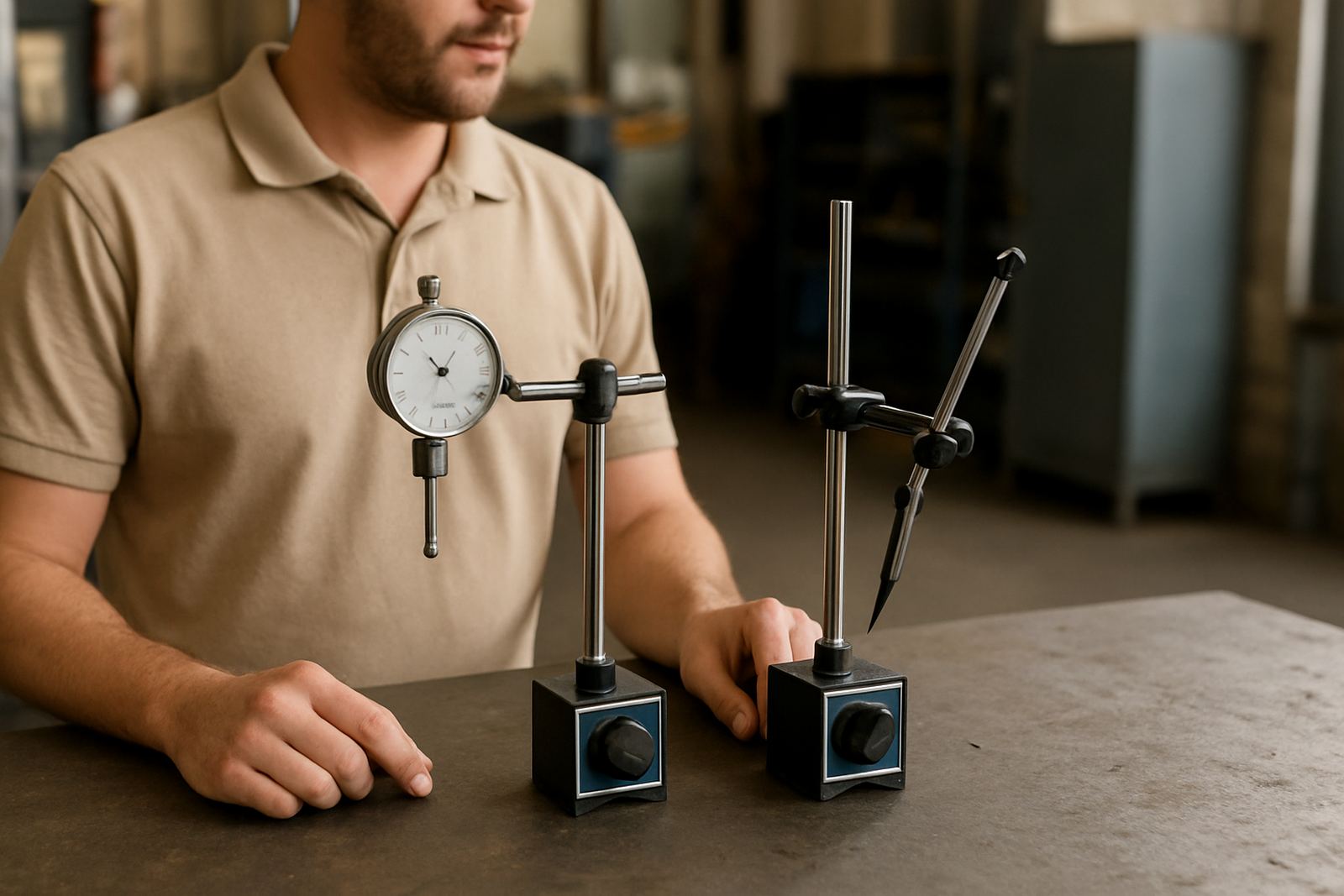
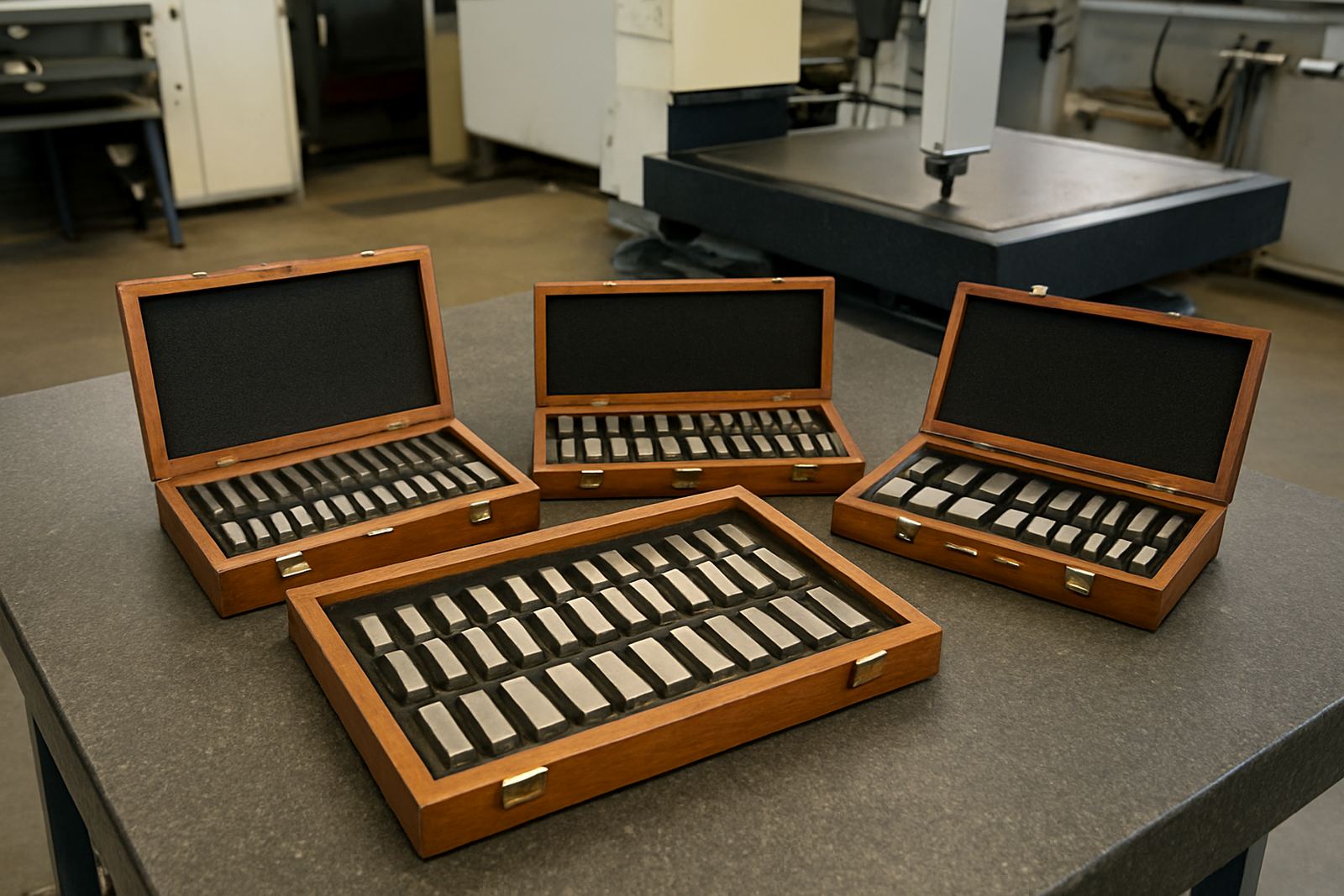
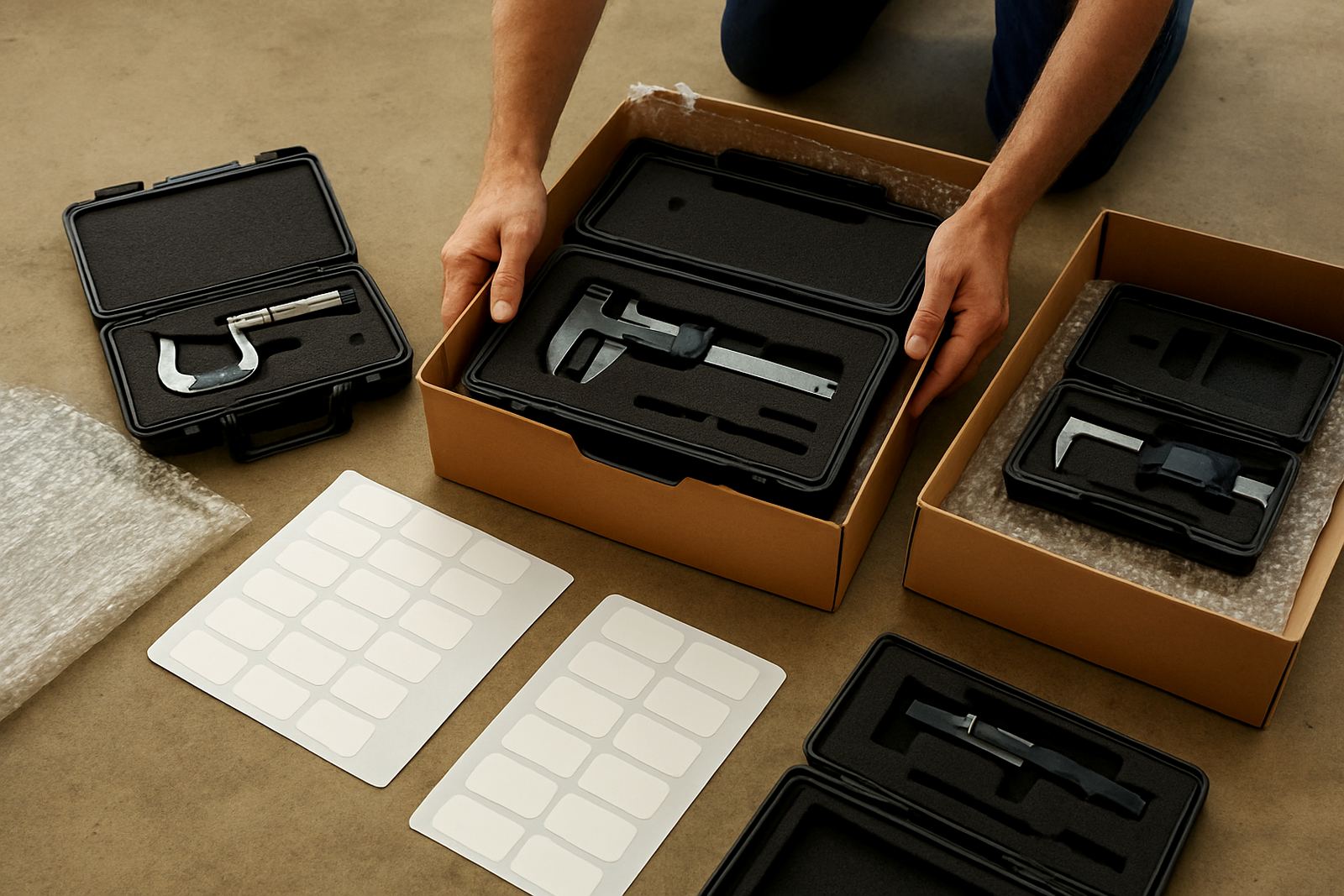
Precision tools should not touch each other during transit. Wrap each item in a soft clean layer, then place it in its own compartment or sleeve where possible. Calipers and micrometers need particular care around measuring faces, spindle threads, and digital displays. Gauges and indicators should be packed so the stem or probe cannot bend under pressure.
If you still have the original case, use it. If not, choose a rigid carton with enough internal space to prevent squeeze damage but not so much that the instrument moves around. In humid areas like parts of Gauteng and along the coast, adding a dry pack can help reduce moisture build-up during transport. It is a small step, but it often saves a repair later on.
- Use a separate wrap for each instrument
- Lock moving parts where the tool allows it
- Protect sensitive faces, probes and jaws
- Add desiccant if the tools are travelling in damp conditions
3. Label the Box So the Lab Can Identify It Quickly
Clear labels save time at the lab and when the courier is scanning parcels. Mark the outside of the box with the sender name, collection area, and the number of items inside. If there are multiple cartons, number them clearly, for example 1 of 3, 2 of 3, and 3 of 3. That helps our team check the shipment quickly on arrival and avoid mix-ups during busy periods.
Inside the parcel, include a simple note with the instrument list, serial numbers where available, and any special instructions. If a gauge must not be adjusted, or a digital instrument needs batteries left in place, say so plainly. Keep the note flat and dry inside a clear sleeve so it stays readable. This is especially useful for courier collections from Isando, Kempton Park, Edenvale, Germiston, Boksburg, Jet Park, Meadowdale and Midrand.
4. Pack for Courier Movement, Not Just for Storage
Courier transport means vibration, stacking, and a fair amount of handling, so the inner packing must stop movement. Fill empty spaces with clean packing material, but do not jam tools tightly together. A box that is too loose can let an instrument knock against the side and shift during loading. A box that is too tight can press on sensitive parts and change the setting of the tool.
Use double boxing for fragile or high-value instruments when needed. Place the inner box inside a larger outer carton with padding between the two. Seal all openings properly with strong tape and make sure no loose parts can escape. During busy collection runs or high-volume seasons, parcels may spend extra time in vehicles or depots, so solid packing matters even more.
- Choose a rigid outer carton
- Prevent any movement inside the box
- Use padding on all sides, including top and bottom
- Seal the parcel with strong tape across every opening
5. Add the Documents That Speed Up Receiving and Return
Clear paperwork means the parcel can move through receiving without unnecessary calls back and forth. Include the service request details, the item list, and any reference number you were given. If the instruments belong to a specific production line, lab, or maintenance team, add that note too. It helps us route the item correctly and return it to the right person.
If there are calibration limits, known faults, or urgent deadlines, write them down in plain language. For example, if a micrometer is only used in one size range or a pressure gauge is for a specific application, say that clearly. The more practical the note, the quicker the handover. It also cuts down on confusion when several similar tools arrive on the same day.
6. Final Check Before the Courier Arrives
Run one last check before the parcel leaves your site. Confirm that all items are inside, all labels are visible, and the box is properly taped. Make sure nothing sharp is sticking through the carton and no loose accessory is left on the bench. If the collection is from a factory floor, store the packed parcel in a dry safe place until the driver arrives.
Use this simple checklist before handover:
- All instruments listed and counted
- Each item wrapped or cased
- Box sealed and labelled clearly
- Paperwork included inside or attached as instructed
- No loose batteries, accessories or loose parts left out
When in doubt, keep the packing simple, neat, and secure. The goal is to protect accuracy from the moment the instrument leaves your premises until it reaches our calibration lab in Isando. A careful pack makes the whole process easier for everyone, and avoids damage that can be costly to fix later on.