

Start With What You Will Measure Every Day
Before you compare specs, look at the jobs on your floor. Gauge blocks are used for setting, checking and supporting other measuring instruments, so the best set depends on whether you are working with calipers, micrometers, indicators or fixtures. A tool room in Isando will have different needs to a maintenance team in Midrand, and both may need different block sizes for daily use.
Think about the parts you handle, the tolerances you must hold and how often the blocks will leave the cabinet. If your team checks shafts, bores or machined faces across multiple shifts, you need a set that is easy to handle, well protected and simple to verify after use. For production and inspection areas with dust, oil or temperature changes, the practical side matters as much as the nominal size.
- List the instruments you will set or check
- Note the smallest and largest sizes you use most often
- Decide whether the blocks stay in one room or move between sites
- Check if your work needs traceable calibration records
Choose the Right Gauge Block Material
The two most common choices are steel and ceramic. Steel blocks are widely used, cost effective and familiar in many South African workshops. They are suitable for general inspection work and regular use, provided they are cleaned, oiled and stored properly. Ceramic blocks are harder and more wear resistant, which helps when blocks are handled often or when you want better resistance to corrosion in coastal humidity.
In a factory near Germiston or Boksburg, steel may be ideal for controlled tool room use. In a site that sees temperature swings, finger marks and frequent handling, ceramic can be the better long term choice. Material does not change the need for care though, and both types should be kept free of burrs, dust and moisture.
- Choose steel for general purpose use and budget control
- Choose ceramic for wear resistance and corrosion resistance
- Store blocks in a dry case with clean contact surfaces
- Avoid mixing worn blocks with reference blocks used for calibration
Match the Grade to the Job
Gauge block grade tells you how tight the tolerance and flatness requirements are. For top level reference work, a finer grade is needed. For day to day workshop checks, a practical working grade is often enough. It is worth matching the grade to the purpose, because buying a very high grade set for basic production checks can add cost without adding value.
If your business calibrates instruments in a lab in Kempton Park and also sends tools out to field teams, consider keeping separate sets for reference and routine use. That helps protect the best set from unnecessary wear, and it reduces the risk of using the wrong blocks for the wrong task. Ask for the grade data and make sure your team understands what each set is for.
- Reference work usually needs a tighter grade
- Routine workshop checks can use a practical working grade
- Separate master sets from everyday use sets where possible
- Keep the grade consistent with your internal quality procedure
Work Out the Set Size Before You Order
Set size is one of the most overlooked decisions. A small set may cover common sizes, but it can leave you short when you need a specific combination. A larger set gives more flexibility, yet it also costs more and needs more care during handling. The right answer depends on your range of measurements, not just your budget.
Many buyers start by checking the sizes they use most often in maintenance, machining and inspection. If you work with imperial and metric combinations, or if your jobs change from small components to larger assemblies, you may need a wider range of blocks. Make sure the set includes the lengths you actually stack together, not only the sizes that look useful on paper.
- Review the most common stacks your team builds
- Check if you need metric only or mixed use
- Confirm whether the set includes wear blocks and accessories
- Make sure the case layout supports quick selection and return
Check Care, Storage and Calibration Support
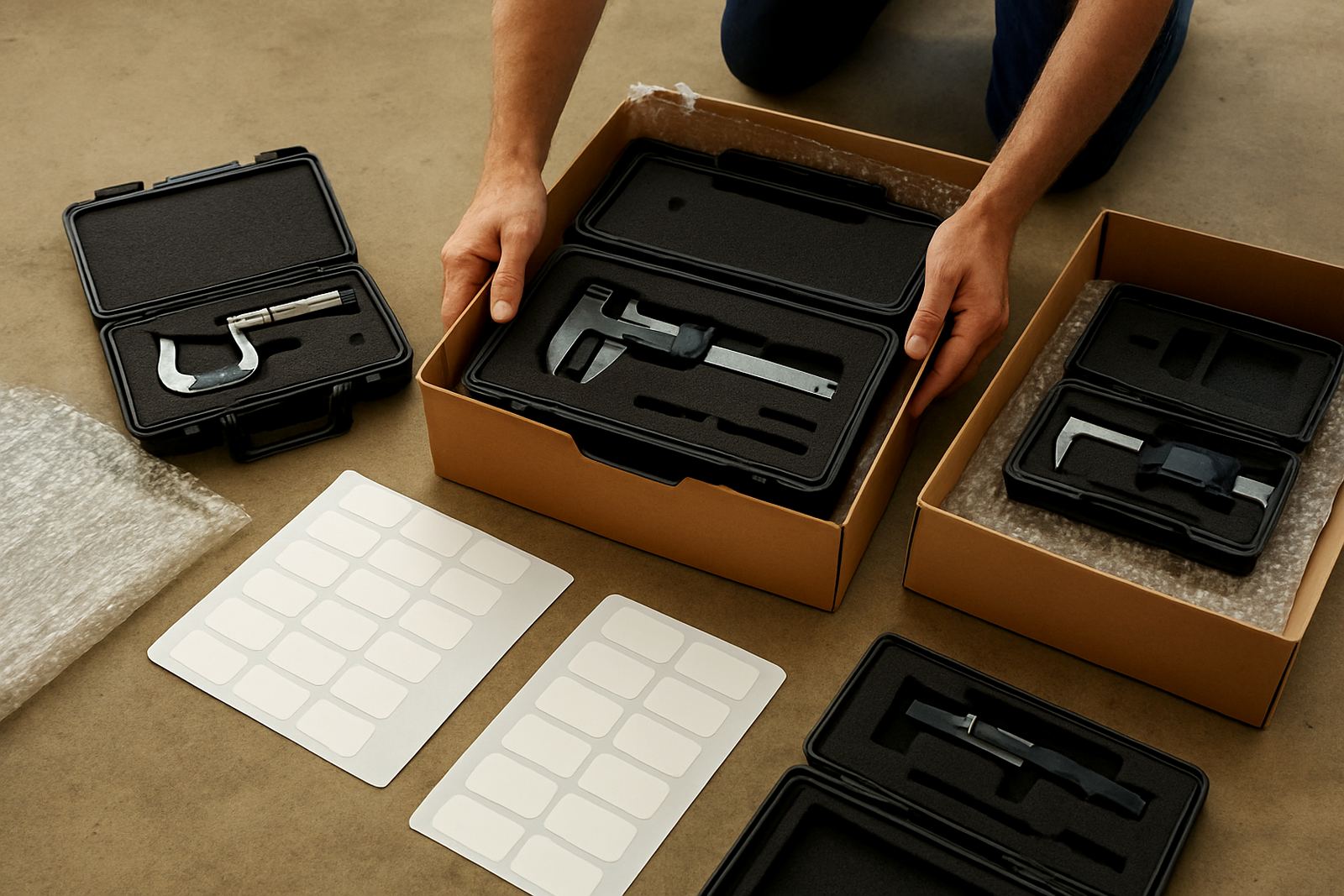
Even the best gauge blocks lose value if they are handled badly. Clean hands, lint free cloths, light oil where required and careful wringing all help preserve accuracy. In a busy plant, people may be tempted to leave tools on benches or in open trays, but that's how chips, dust and moisture get in. A proper case and a clear return routine save a lot of trouble.
Calibration support matters too. If your business needs traceability for internal audits or customer requirements, choose a supplier that can support calibration records and periodic checks. This is especially useful for companies serving multiple sectors in Johannesburg, where one client may want evidence for quality control and another may need a straightforward verification report. Good support should make rechecking simple, not complicated.
- Store blocks in a dry, clean case after every use
- Keep them away from cutting fluid and airborne grit
- Plan periodic calibration based on use and risk
- Keep records for audits, supplier checks and internal QC
A Practical Buying Checklist for South African Workshops
If you are comparing options now, use a simple checklist to narrow the field. Start with material, then grade, then set size, and finish with storage and calibration support. This order keeps the focus on how the blocks will perform in your own environment, rather than on a long feature list that may not suit your work.
For businesses in Edenvale, Jet Park, Meadowdale or further afield, courier collection can make it easier to move equipment for calibration without taking a technician off site. That matters when you are keeping production moving and trying to avoid delays. Good suppliers will help you choose the right set first time, which saves money and avoids re-ordering a month later.
- Confirm the measuring tasks the set must support
- Select steel or ceramic based on wear and environment
- Pick the grade that matches the job, not just the budget
- Choose a set size that covers your common stacks and specials
- Ask about calibration, collection and turnaround times
When the right gauge blocks are in place, your calipers, micrometers and gauges are easier to trust. That gives your team confidence on the shop floor and in the inspection room, which is where accuracy really counts.