
Start With The Job You Need To Do
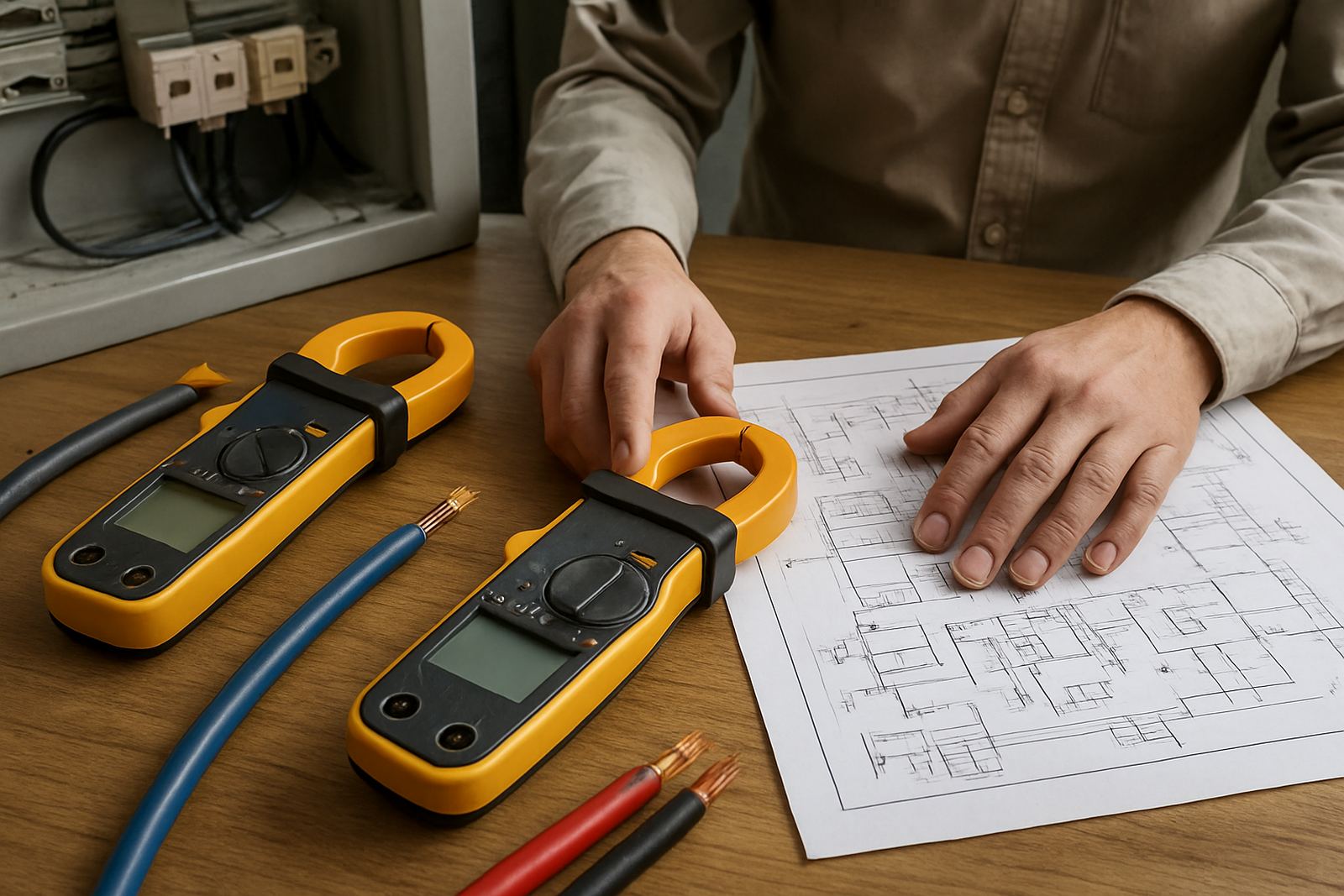
Before you compare features, decide what you will measure most often. A clamp metre for quick motor checks in a factory is not the same as one used for distribution boards, HVAC work, solar installations or maintenance on pumps and compressors. If your team works in Isando, Germiston or Boksburg, you may need a metre that can move between plant rooms, rooftops and live panels in the same day.
List the common tasks first. Are you checking load current on single phase equipment, balancing three phase circuits, tracing nuisance trips or confirming current draw after repairs? That answer helps narrow the range, jaw size and safety category you need. It also tells you whether a basic AC current metre is enough, or whether you need DC current, true RMS and extra functions for fault finding.
- Current checks on motors, heaters and lighting circuits
- Fault finding on tripping breakers and overloaded circuits
- Routine maintenance on production equipment
- Electrical checks on solar, UPS or battery systems
- Commissioning work in workshops and plant rooms
Know The Measurement Range Before You Buy
The first number to check is the current range. If your work stays below 400 A, a lower range metre may be suitable and usually gives better resolution on smaller loads. For industrial sites, a metre that reads 600 A, 1000 A or more is often the safer choice, especially where large motors, welders or feeder cables are involved. Choosing too small a range means you may not get the readings you need when the load is high.
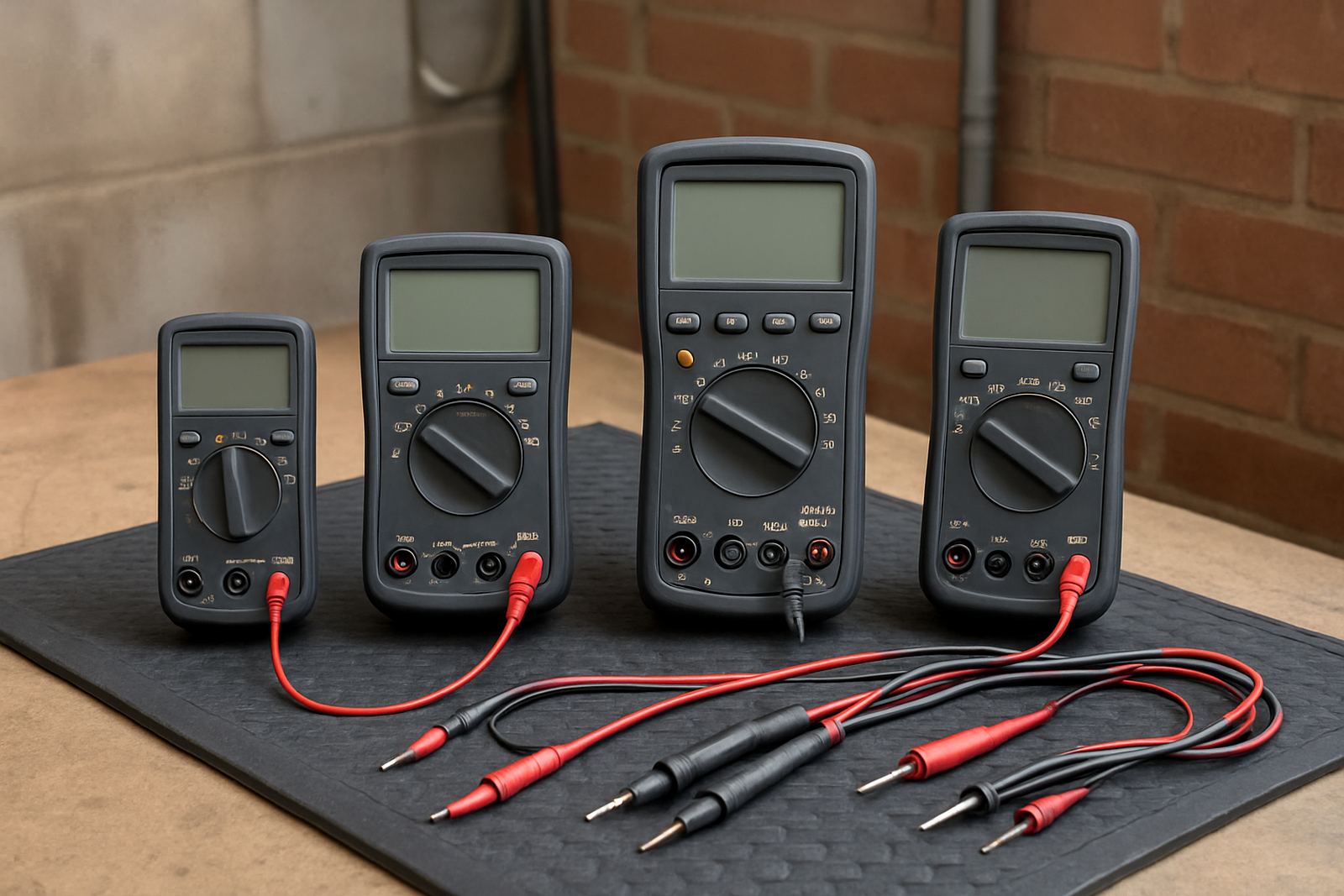
Look at voltage, resistance, continuity and frequency as well. Many technicians want one tool for several checks, not only current. A metre with a min/max capture function is useful for spotting intermittent spikes and dips, which can be hard to catch by eye. If you are working around shift changes or unpredictable workshop conditions, that extra capture function saves time.
- AC current for general electrical checks
- DC current for batteries, solar and control systems
- Voltage range for panel and supply testing
- Resistance and continuity for cables and fuses
- Min/max or peak hold for short faults and surges
Choose Jaw Size And Metre Shape For Real Access
Clamp size matters more than many buyers expect. A wide jaw is needed for thick conductors, bundled cables and busbar work. If the jaws are too small, you cannot clamp around the conductor properly and the reading will be useless. In tight panels, a slim body and a narrow jaw shape help you reach inside without forcing the wire or crowding the terminals.
Think about where the metre will be used. In a humid coastal plant you may need a housing that resists dust and moisture. In dusty workshops around Jet Park or Meadowdale, a stronger case and a firm rotary switch help keep the metre reliable. If the metre will be carried in a vehicle, check that the clamp latch closes properly and the leads store neatly so they do not get damaged during transport.
- Wide jaws for large cables and feeders
- Slim jaws for crowded distribution boards
- Clear display for dark plant rooms
- Backlight for low light conditions
- Rugged case for site use and courier transport
Safety Rating Matters More Than Extras
When working on live electrical systems, safety is not optional. Choose a metre with the correct safety category for the point of measurement. A metre used on mains panels, distribution boards or industrial circuits should be rated for the environment it will face. Do not rely on the display alone. The test leads, fused inputs and internal protection all matter when a fault occurs.
Ask whether the metre suits your panel work and whether it has proper input protection. If your staff do fault finding on live systems, check the leads for cracks, loose plugs or damaged insulation before each use. In South African workplaces, especially where multiple users handle the same equipment, this simple check prevents problems. A good metre is only part of the job, the operator must still follow safe isolation and lockout procedures.
- Check the safety category for the task and location
- Inspect leads and probes before every shift
- Use the correct range before taking a reading
- Keep hands behind the finger guards on probes
- Do not use damaged or modified test accessories
True RMS And Special Functions For Fault Finding
If you only measure clean sine wave loads, a basic metre may be enough. But in many factories and commercial sites, the supply is not clean. Variable speed drives, electronic ballasts, UPS units and switched power supplies can distort the waveform. In those cases, a true RMS clamp metre gives more accurate readings, especially when comparing different machines on the same circuit.
Extra functions can help a technician work faster. Temperature measurement is useful when checking overheated terminals. Inrush current helps when a motor trips on start-up. Some metres also read frequency or capacitance, which is useful on control and automation work. Do not pay for features you will never use, but do not leave out a function that will save repeated callouts. It sounds simple, but many faults are solved faster with the right metre in hand.
- True RMS for non-linear loads and distorted waveforms
- Inrush current for motor start checks
- Temperature for overheating components
- Frequency for drives and supply checks
- Backlight and hold function for easier recording
Check Calibration, Care And When To Send It In
A clamp metre must stay accurate if you want trustworthy readings. A good rule is to send it for calibration at regular intervals, especially if it is used daily, handled by several technicians, or taken on site across Johannesburg and nearby industrial areas. If the readings look unstable, the zero point drifts, or the clamp does not close cleanly, it is time to check it. A tool that is slightly out can lead to false fault finding and unnecessary part replacement.
Store the metre in a clean dry place after use. Avoid leaving it in a vehicle in direct sun, and keep it away from metal swarf, oil and moisture. Replace damaged leads at once and keep the battery fresh so the display stays reliable. If your team uses the same metre across multiple sites, set a simple log for issue dates, checks and calibration dates. It keeps everyone honest and saves time later.
- Set a calibration interval that matches your usage
- Record issue dates and fault reports
- Store away from heat, dust and moisture
- Replace worn leads and low batteries promptly
- Check zero and clamp closure before critical readings