
Why a careful pack job matters before the courier arrives
When a caliper, micrometer or gauge is sent in a plain box with loose foam, the risk is not only dents and scratches. A knock in transit can shift the measuring faces, bend a stem, or upset the reading just enough to cause rework on the shop floor. In a plant where tolerances are tight, one damaged instrument can hold up a whole batch.
South African transport is not always gentle. A parcel may move from Isando to a depot in Germiston, then onto a truck heading to Durban or Gqeberha, with heat, vibration and rough handling along the way. If the instrument is coming back for calibration, or going out to site, treat it like a precision component not a general parcel.
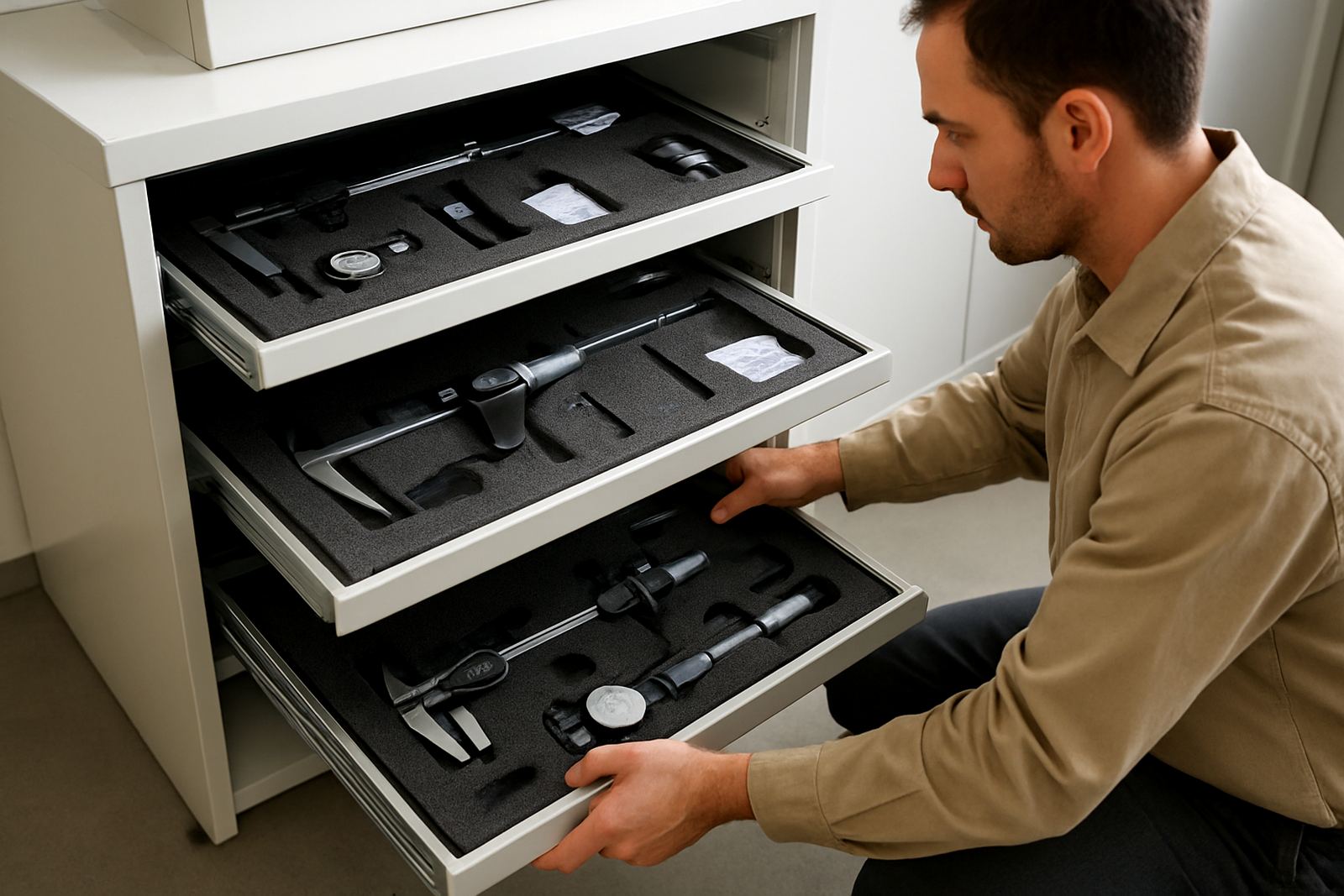
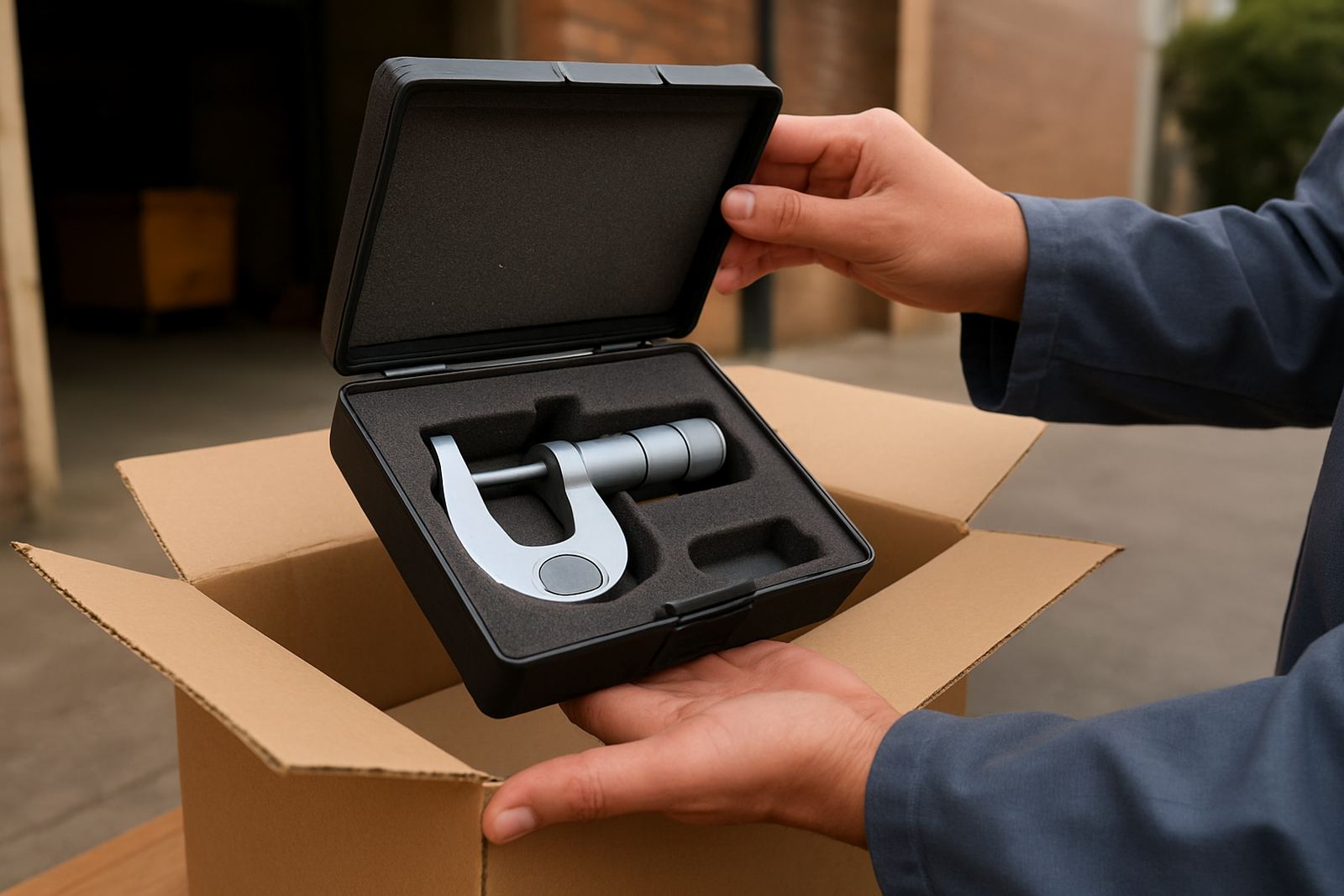
- Use the original case where possible, then place that case inside a second outer carton.
- Keep the tool clean and dry before packing, especially after use near coolant or oil.
- Remove loose batteries, probes or accessories and pack them separately.
- Write the instrument ID clearly on the outside and inside of the parcel.
Clean, lock and protect every moving part
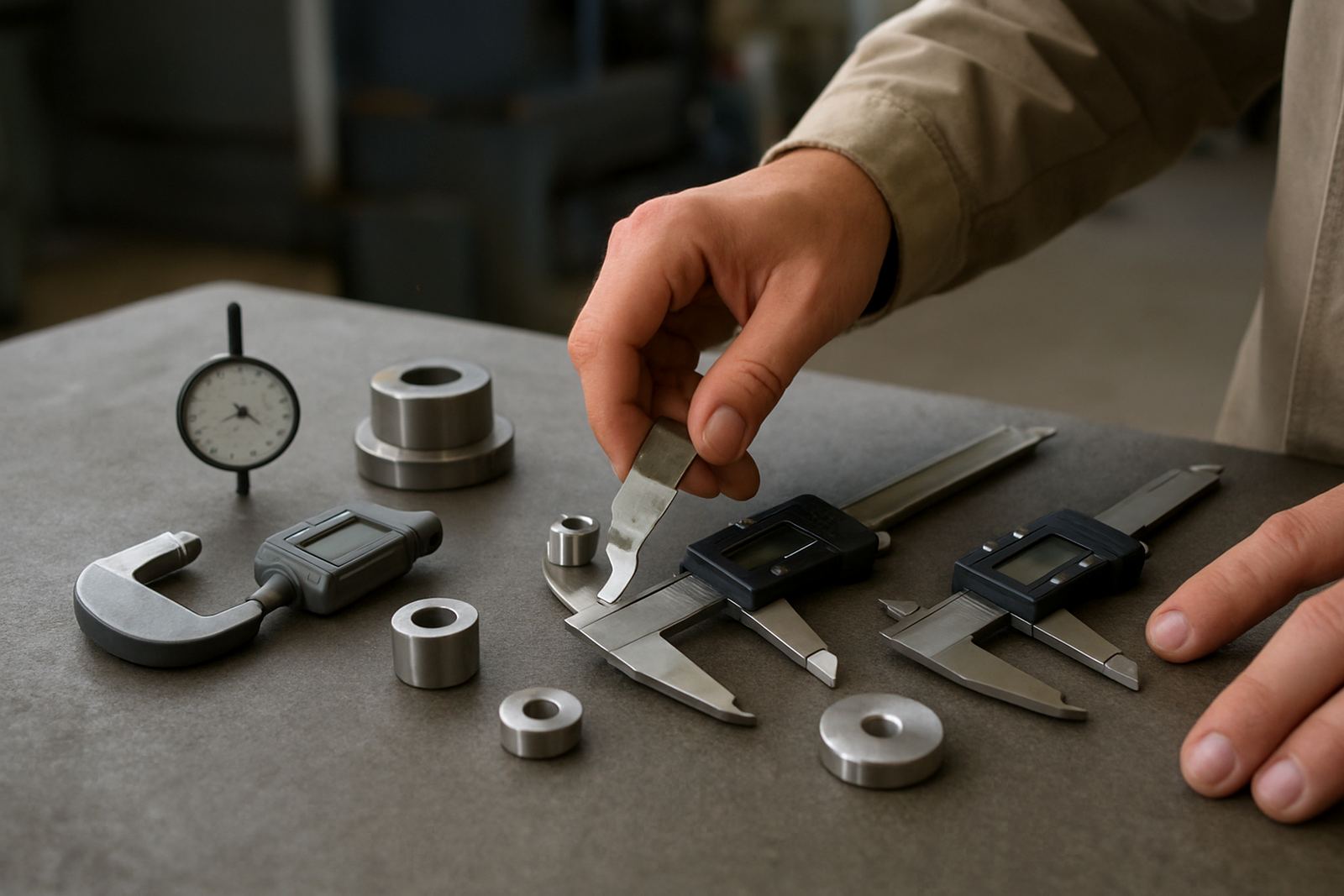
Before packing, wipe the instrument with a lint free cloth and remove grit, oil or metal dust. Fine particles can scratch measuring faces during transit, especially if the parcel is jostled on corrugated roads or stacked under heavier loads. If the item has a spindle, slider or thumbwheel, make sure it is locked or secured where the maker allows it.
Do not tape directly onto measuring jaws or polished faces. Use soft tissue, foam sleeves or clean plastic wrap to keep surfaces apart. For dial indicators and height gauges, protect the stem and plunger so they cannot take a sideways knock. A small bend can lead to inconsistent readings and it may not show at first, which makes the problem harder to trace later.
- Check that jaws close properly before packing, but do not force them shut.
- Use a plastic sleeve or soft wrap around polished components.
- Seal threaded parts so they do not rattle loose in transit.
- Keep temperature sensitive items away from direct sun before collection.
Choose packaging that handles vibration and heat
Good packaging is about restraint, not stuffing the box full. The tool should sit snugly in its case, with enough cushioning to stop movement but not so much pressure that the case twists. For courier transport across Gauteng and beyond, use a strong outer carton with a little crush resistance and choose internal packing that will not collapse if the parcel sits in a warm van for a few hours.
If the instrument is heading out from Kempton Park to a coastal site, moisture control becomes important. Humid air can lead to surface corrosion on sensitive parts, so include a dry pack where suitable and seal the parcel properly. Avoid loose newspaper or soft scraps that can shift around and leave the tool half exposed. That kind of packing looks quick on the day, but it often costs more later.
- Double box the item when the case is thin or worn.
- Fill empty spaces with firm foam, not loose offcuts.
- Use a waterproof parcel bag for rainy season transport.
- Mark the box as fragile, but do not rely on markings alone.
Label the parcel like a workshop would trace it
A parcel should be easy to identify from the outside and the inside. Include the instrument name, asset number and contact details on a card inside the box in case the outer label is damaged. If the parcel contains several items, list each one and note whether it is due for calibration, repair or collection. This helps reduce mix ups when items arrive in a busy receiving area.
For businesses in Boksburg, Edenvale or Midrand, courier routes can move fast, but the intake process at the other end still needs clarity. A clear label saves time at the receiving bay and helps the calibration team match the instrument to the correct record. It also makes it easier to prove what was sent if a courier query comes up later.
- Include the site name, not just the suburb.
- Mark any special handling requirements on both the parcel and the work note.
- Use one label that is fixed securely and another inside the box.
- Keep the paperwork dry and separate from the instrument itself.
A Johannesburg example: sending instruments from Isando to the lab
Take a maintenance team in Isando that needs several micrometers and a pressure gauge checked before shutdown work. If those tools are sent loose in a tote bag, they can rub together and arrive with scratched anvils or a drift in the gauge reading. A better method is to clean each item, place it in its own case, add cushioning between the cases and use one outer carton with space for movement kept to a minimum.
That same approach works for a small fabrication shop in Germiston sending instruments for calibration after a busy production run. The team can keep the tools together, add a packing list and arrange courier collection from the premises. When the parcel arrives in good condition, the turnaround is quicker because there is less chance of damage inspection before the actual calibration can begin.
What to avoid if you want accurate results back
The most common packing errors are simple ones. People place heavy items on top of the parcel, leave a measuring tool loose inside a box, or send an instrument still damp from use. Others wrap the item in too much tape, which can make inspection awkward and leave residue on polished surfaces. A rushed pack often takes less than ten minutes, but it can cause hours of delay later.
If the instrument is delicate or has already been repaired once, say so when arranging collection. That lets the receiving team handle it with the right care from the start. It also helps when the parcel must travel through several hubs before reaching the calibration lab in Johannesburg, where vibration and handling can add up more than people expect.
- Do not send loose instruments in a box with spares, keys or other metal parts.
- Do not allow the tool to touch the box wall directly.
- Do not assume a short local trip means the parcel is safe without cushioning.
- Do not pack wet items and hope they dry in transit.
A little extra care at the packing bench protects the instrument, the reading and the work that depends on it. For businesses across Isando, Kempton Park and nearby industrial areas, safe transport starts before the courier van leaves the gate.