
Why storage conditions change instrument life
Precision instruments are built to tight tolerances, but they do not forgive poor storage. A micrometer left in a damp cabinet, or a gauge dropped into a box with loose tools, can lose smooth movement, show early wear, or drift out of spec before the next calibration check. That creates rework, scrap and arguments on the shop floor.
Storage is part of the measurement process. If the instrument is kept clean, dry and protected from knocks, it stays ready for use and is easier to trust on the first reading. If it is stored in a hot area near machinery, direct sunlight or a compressor line, the instrument will often need cleaning and verification more often. In places like Isando and Jet Park, where metalwork, logistics and manufacturing run close together, a proper storage routine helps keep tools in service for longer.
Humidity, dust and coastal air: the main risks to watch
South African conditions vary a lot. Inland sites around Kempton Park, Edenvale and Midrand often deal with dust and temperature swings. Coastal moisture is less of a factor there, but humidity still climbs in summer and during rainy spells. Even a few days of damp air can leave light surface corrosion on steel measuring faces if instruments are stored open or wiped down poorly.
Dust is another issue. Fine particles from cutting, grinding and packaging work get into thimbles, jaws and slider tracks. Once that grit is inside, the instrument may feel rough or give inconsistent readings. Storage has to keep contamination out, not just keep the item together with its case.
- Store instruments in a closed case or dedicated cabinet, not loose on benches.
- Keep them away from coolant splash, wash-down areas and open doors.
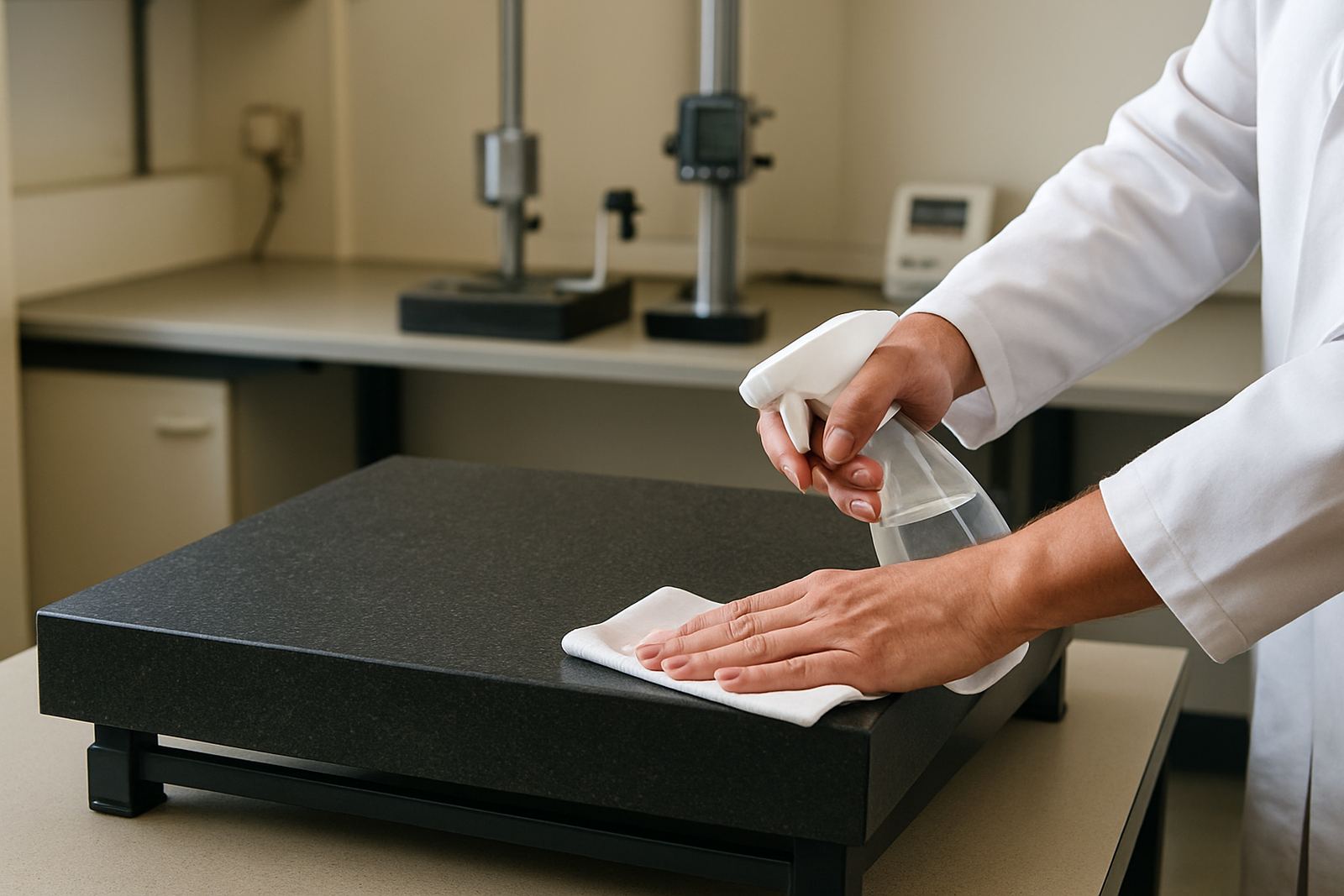
- Use clean dry cloths after handling, especially before overnight storage.
- For humid rooms, add approved desiccant packs and check them regularly.
The right storage routine for calipers, micrometers and gauges
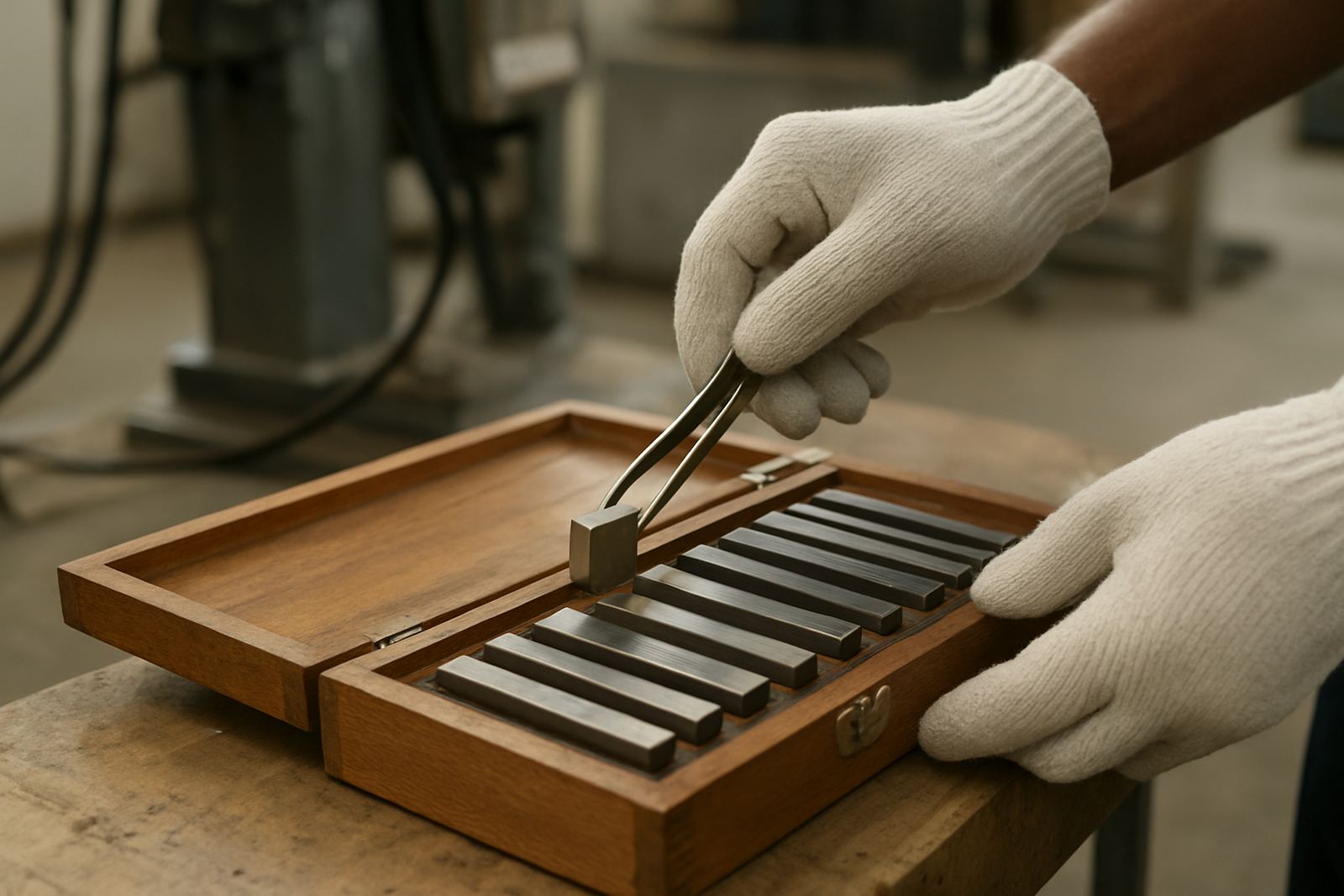
Different instruments need slightly different handling, but the routine is simple. Clean the measuring faces before putting anything away. Check for fingerprints, oil film and metal swarf. Close calipers gently, do not clamp them shut hard. Micrometers should be stored at a light contact setting, not cranked tight against the spindle. Gauges and indicators should go back in their holders or fitted cases so the sensitive parts are not strained.
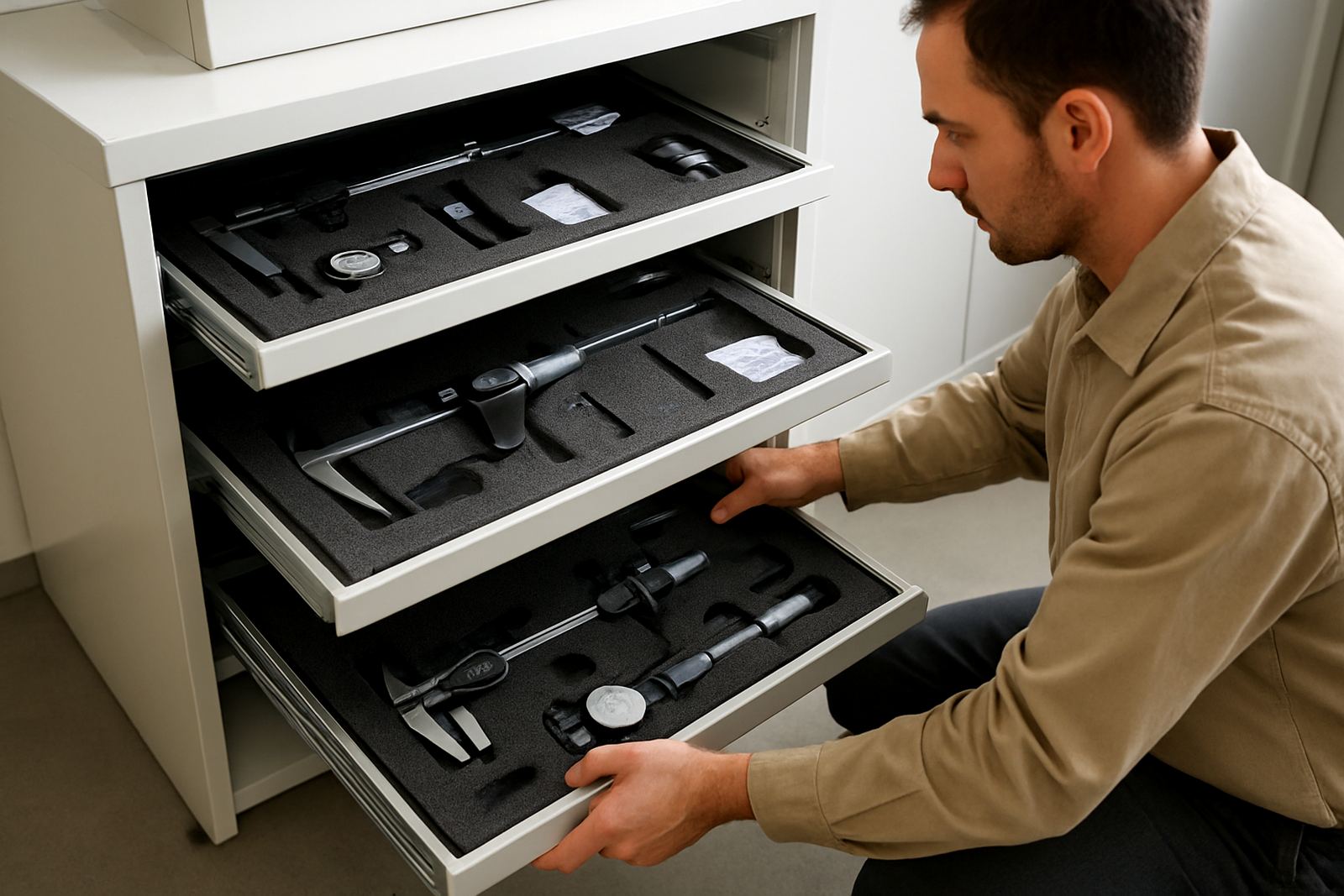
It also helps to separate instruments by duty. Keep daily-use items in one clearly marked cabinet and reserve another area for issued or calibrated tools. This reduces mixing, which is a common cause of lost items and unrecorded damage. A neat storage layout saves time at shift start and makes stock checks easier when the supervisor or quality team needs a quick count.
- Return each tool to the same slot after use.
- Keep certificates or asset tags with the instrument file, not loose in the box.
- Mark tools that are due for recalibration or repair.
- Do a quick visual check before and after each shift.
Workshop downtime can affect accuracy too
When power cuts interrupt a shift, instruments are often left on benches while staff move between tasks. That is when damage happens. A sudden stop can leave tools exposed to coolant mist, dust or accidental knocks. If the workshop is running backup lighting only, it becomes easier to misplace a gauge or pack away a tool in a hurry.
Good storage plans include a shutdown routine. Put instruments into their cases before the lights go out, or assign one person to check the measurement area before the team leaves. In facilities with compressed air systems or battery chargers, store precision tools away from heat sources and electrical panels. It sounds basic, but a disciplined shutdown often prevents the small faults that turn into calibration failures later on.
For businesses in Germiston, Boksburg and Meadowdale, where production schedules are tight, this step helps protect both the instrument and the day's output. A missed reading on one component can lead to costly sorting or a delayed delivery to the customer.
Storage mistakes that shorten calibration intervals
Some faults look like wear but are really storage problems. A bent jaw, sticky spindle or cloudy display may start with bad packing, poor handling or a wet cabinet. Once the instrument has been bumped or contaminated, its calibration status can no longer be taken for granted. That is why storage and calibration go hand in hand.
Common mistakes include mixing heavy tools with delicate ones, stacking cases on top of each other, and keeping instruments in vehicles for long periods. Courier transport also needs care. If tools are sent for repair or checking, they should be packed securely so they do not rattle around in transit. This matters whether the collection is going to or from a plant in Kempton Park, Edenvale, or further out to another province.
- Do not store precision tools under heavy boxes or spares.
- Avoid leaving instruments in bakkies or vans over weekends.
- Never put oily rags directly against the instrument or foam lining.
- Check box inserts for wear if the tool shifts around inside the case.
A practical example from a busy Gauteng workshop
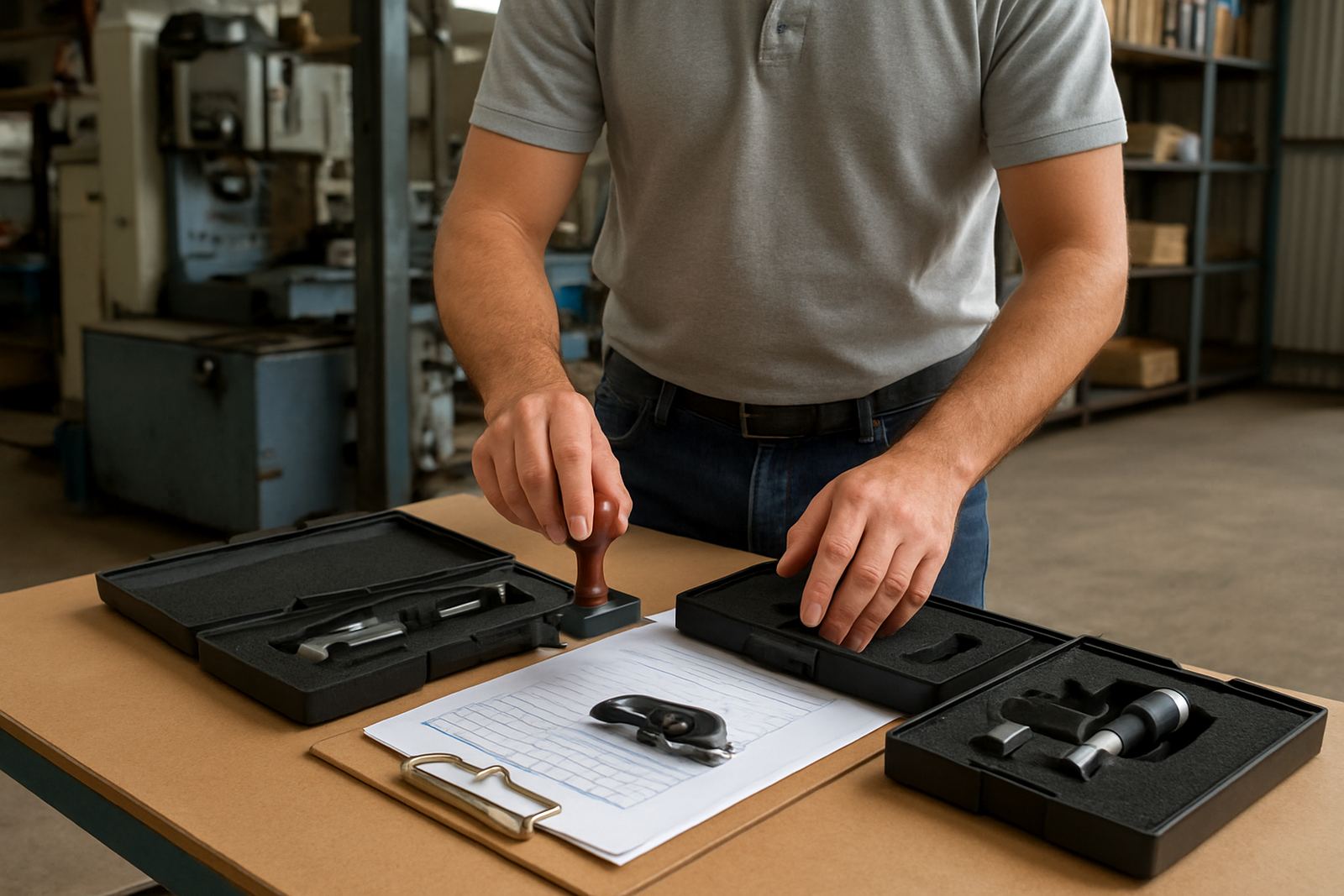
Take a metal fabrication workshop in Isando that runs day and night shifts. The team uses calipers, micrometers and dial indicators across several workstations. Before the storage system was improved, tools were left on machine tables, then moved to a common drawer at the end of the shift. The result was scratched bodies, dust in the measuring faces and a few instruments that failed their next check.
After introducing labelled cases, a dry storage cabinet and a simple sign-out sheet, the workshop cut down on missing tools and reduced emergency replacements. The staff also started wiping each instrument before packing it away. That small change made the next shift faster because the tools were ready to use straight out of the case. The important point is that storage does not need to be complicated, but it must be consistent.
For businesses across Johannesburg and the East Rand, this approach supports better uptime and less waste. It also helps technicians spot problems earlier, before a fault spreads into production.
How Accu supports storage discipline and readiness
Accu works with engineers, manufacturers and technicians who need measurement tools they can trust. Alongside calibration services for calipers, micrometers, gauges, indicators and other instruments, we help businesses think about the everyday factors that affect accuracy. Storage is one of the easiest areas to improve, and one of the most overlooked.
When instruments are stored properly, they stay cleaner, last longer and are quicker to issue for use. That means less time spent searching for tools, fewer surprises during inspection and a better chance of passing verification first time. If your team needs collection for calibration or support with instrument care, our Johannesburg base in Isando serves Kempton Park, Edenvale, Germiston, Boksburg, Jet Park, Meadowdale and Midrand, with courier collection available nationwide.