

Start with the instruments that affect product decisions
An internal audit usually begins with a simple question: which measuring instruments affect product release, rework, or sign-off? That list should include calipers, micrometers, indicators, height gauges, torque tools, force gauges, pressure gauges and temperature or humidity instruments wherever they influence quality outcomes. If a reading can change acceptance or reject decisions, it belongs in the audit pack.
In practice, this means sorting instruments by use, location and risk. A gauge used on a machining line in Germiston may need tighter control than a spare tool kept in a store room in Edenvale. The audit file should show who uses the instrument, where it is kept, and how often it is checked. That level of detail helps an auditor see the control is active, not just written down.
Do not rely on memory. Build a current register that includes the instrument ID, description, range, last calibration date, next due date, location and the person responsible. If a unit has been dropped, exposed to moisture or used during process interruptions, make a note and check it before the next job to prevent errors.
Keep the calibration trail easy to follow
Auditors look for a clear line from the instrument to the certificate and from the certificate to the work done with it. A strong trail should show the serial number, the calibration status, the method used, the as found and as left results, and the acceptance limits applied. If tolerances are not stated, the record is already weak.
Make sure the paperwork tells the same story across the file. The asset register, service record, certificate and any deviation note should match. If a micrometer is listed as due in July but the certificate shows August, resolve it before the audit. Small gaps like that create bigger questions later.
- Match each instrument ID to one certificate
- Keep the latest certificate with the asset register
- Record out of tolerance results and the action taken
- File repair notes, adjustments and rechecks together
- Show who approved the instrument for return to service
Check the control points that auditors always test
Most internal audits focus on a few practical control points: identification, storage, handling, status marking and overdue management. If these points are working, the rest of the system usually holds together. If they are weak, the audit quickly turns into a search for missing history.
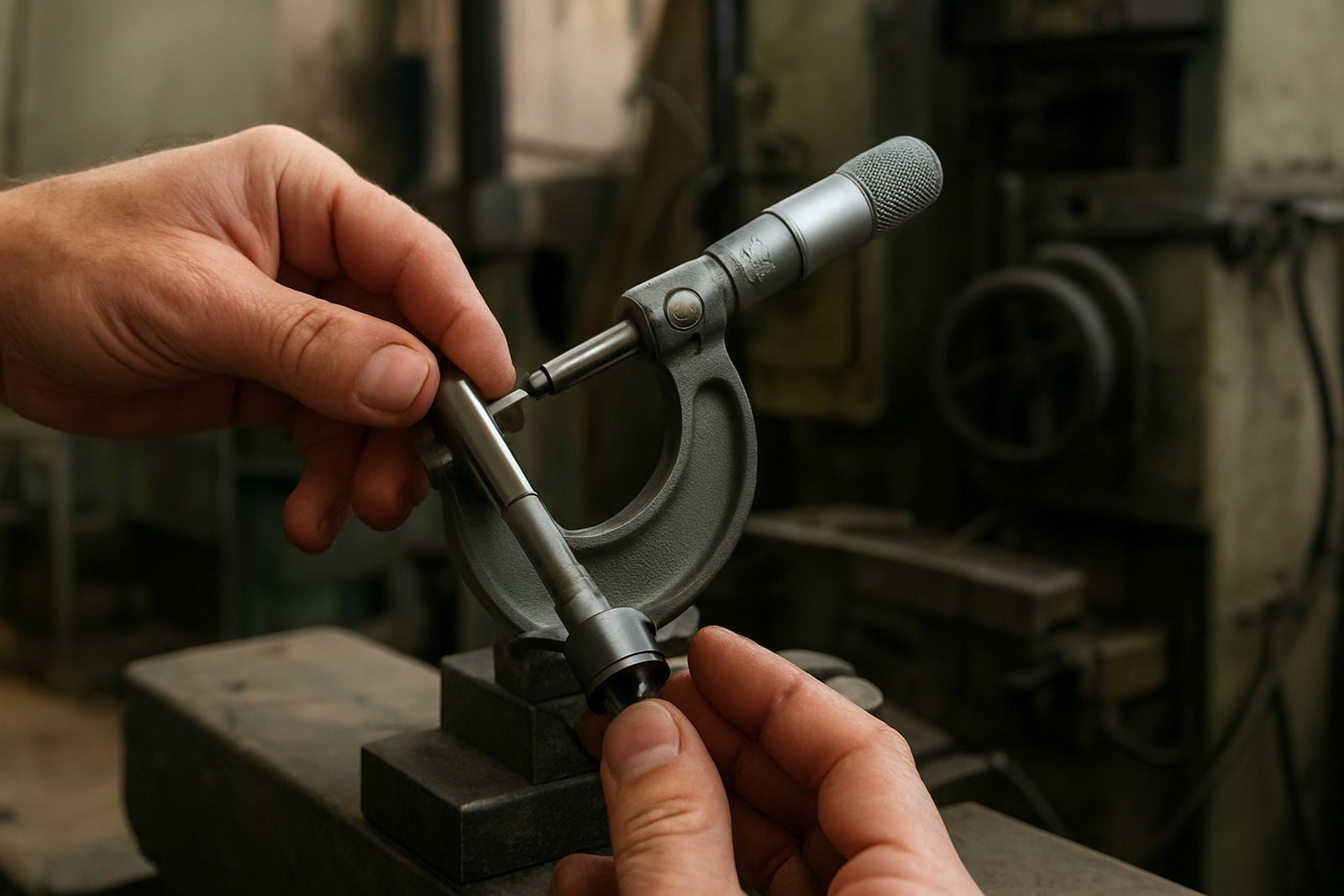
Walk the floor and look at the actual condition of the instruments. Are labels readable? Are protective cases used? Are the measuring faces clean and free from burrs or oil? In a humid coastal store room, corrosion can creep in fast, while in an Isando workshop dust and metal fines can affect accuracy. A good control point is not only a document. It is a habit that the team follows every shift.
- Mark calibrated status clearly on each instrument
- Separate due, overdue and quarantined items
- Store measuring tools away from heat, vibration and moisture
- Use only trained staff for critical measurements
- Log any damage, fall or suspected drift immediately
Use trend data to prove your system is working
Strong audit prep is not only about the current certificate. It also means looking at trends over time. If a set of gauges keeps drifting, or if one production area sends in the same type of instrument for recheck every few months, there may be a handling issue, a storage issue or a process problem that needs fixing.
Review the last 12 months of calibration outcomes. Look for repeated failures, adjustments that are getting larger, and instruments that keep coming back from the same station with wear marks or damage. That sort of pattern is useful evidence during an internal audit because it shows management is acting on data, not just filing it away. It also helps with budgeting, since repeated failures can point to replacement needs before a breakdown causes delays.
For a Midrand manufacturer, for example, a torque tool that fails twice in one quarter may not be a paperwork issue at all. It may mean the team needs refresher training on use and storage, or a better schedule for verification before the tool goes back on the line.
Prepare the audit pack before the auditors ask for it
A tidy audit pack saves time and reduces stress. Keep one folder, physical or digital, with the current register, calibration certificates, internal check sheets, deviation reports, repair notes and the latest management review action list. If your site uses courier collection for lab work, keep the dispatch and return records together so the chain of custody is clear.
It also helps to prepare a short summary for the auditor. Note the number of instruments controlled, the percentage currently in date, the number overdue, and any open issues. If there were challenges around courier delays, public holidays or shutdown periods, explain them with dates and actions taken. A simple explanation is better than a long excuse.
- Current instrument register
- Latest calibration certificates
- Internal verification or check records
- Non-conformance and corrective action files
- Training records for users and supervisors
A local example from Isando to Boksburg
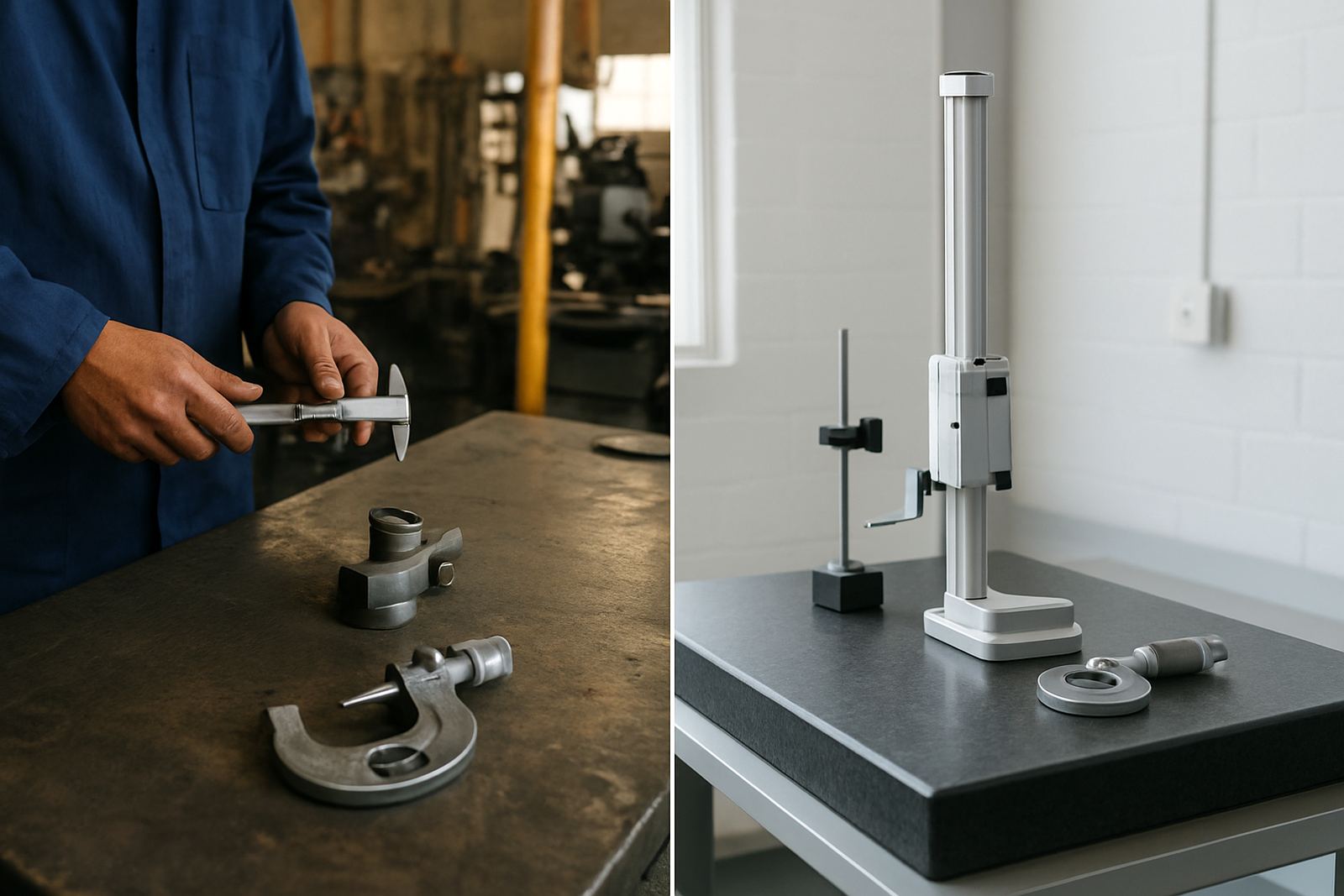
Consider a machining operation moving parts between Isando and Boksburg. The production team uses calipers and height gauges on the line, while the quality team checks micrometers and indicators before release. If the auditors arrive and the records show one gauge overdue, one certificate missing and no note on a repaired tool, the audit will slow down immediately.
Now compare that with a site that has a live register, clear status labels and a simple procedure for pulling suspect instruments out of service. The team can show which items were checked, which were sent for calibration, and which were returned with acceptable results. That is the kind of control that gives an internal audit real weight. It shows the business knows where its measurement risk sits and how it is being managed.
For operations across Kempton Park, Jet Park, Meadowdale and Edenvale, the same rule applies. Measurement records should tell a clean story from first use to final sign-off, with no gaps that leave the quality team guessing.