
Why torque checks matter before a loose fastener becomes a failure
Torque is not just a number on a tool setting. It is part of how joints stay secure, seals hold pressure and rotating equipment keeps running as it should. When a torque wrench, torque screwdriver or other tightening tool drifts out of tolerance, the result can be under-tightened fittings, over-stressed threads or repeated call-backs after maintenance.
In South African industry that matters every day. On a production line in Kempton Park, a machine frame can work loose after weeks of vibration. In a workshop in Germiston, an over-tightened cover can damage a gasket and lead to leakage. Even small differences in applied torque can affect product quality, safety and downtime. That is why periodic torque verification should be part of normal maintenance, not something done only after a fault appears.
For teams working under shift pressure and tight turnaround times, it is easy to keep using the same tool because it still feels right in the hand. But feel is not a measurement. Verification gives you a proper reading against known values, so your tightening process stays reliable and repeatable.
How torque drift happens in real workshops and plant rooms
Torque tools wear down with use. Springs fatigue, internal mechanisms shift, and impact from drops or rough handling can throw readings off. Dirt, oil and humidity also play a part, especially in coastal stockrooms or plant areas where condensation and corrosion can creep in. A tool that was accurate six months ago may not still be accurate today.
The risk is higher when tools move between users. One technician may store a wrench correctly and another may leave it at the wrong setting after use. Some tools are used only occasionally, which means the problem is not obvious until a critical job is done. In fast-moving operations, that can be costly.
- Frequent use on assembly lines or in maintenance teams
- Tools that have been dropped, overloaded or improperly stored
- Exposure to dust, oils, moisture or temperature swings
- Jobs where incorrect torque could affect safety, warranty or compliance
- Equipment shared across multiple sites or shifts
For businesses around Isando, Jet Park and Midrand, it makes sense to build verification into the same planning cycle as inspections and preventative maintenance. That way the tool does not become the weak point in an otherwise careful process.
What a proper verification process should include
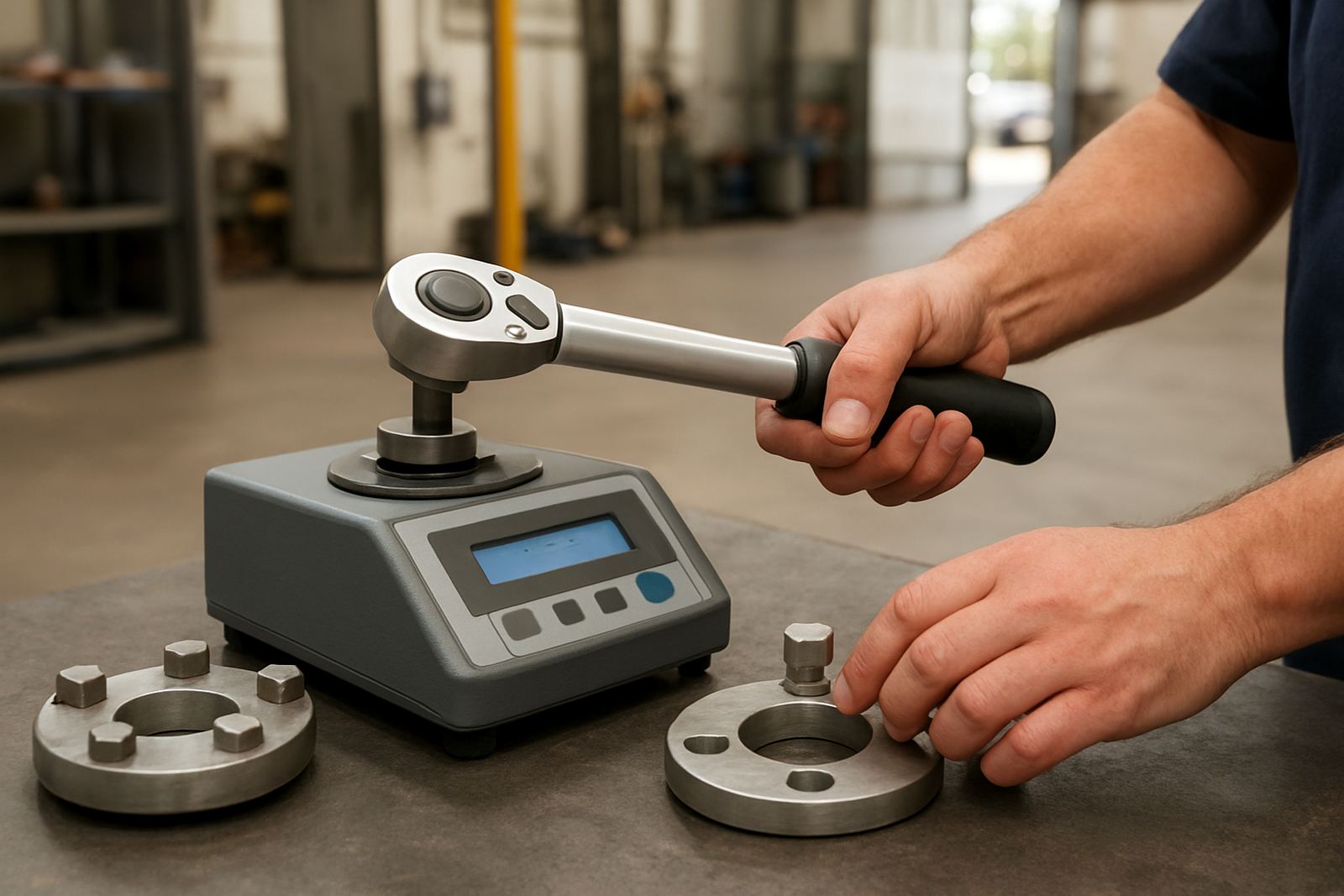
Torque verification is more than a quick spin and a good enough judgement call. The tool needs to be checked against known reference conditions so the reading can be trusted. In practice, that means assessing the tool across its working range, not only at one point. A wrench used at 20 Nm and 100 Nm should be verified where it is actually being used.
A proper process also looks at repeatability. If the same tool gives slightly different results every time it is checked, that inconsistency matters. A good calibration or verification record shows whether the tool is suitable for continued service, or whether it needs adjustment, repair or replacement.
- Identify the tool type and its working range
- Check the tool at suitable points across that range
- Record the actual readings and any deviation found
- Confirm whether the tool remains within acceptable limits
- Tag the tool with the next due date for verification
That record is useful for audits, internal quality control and troubleshooting. If a joint fails later, you can trace back whether the tightening tool was in tolerance at the time of use. It saves time and removes guesswork.
Torque verification in Johannesburg industries from Isando to Midrand
Accu works with engineering, manufacturing and maintenance teams across Johannesburg and surrounding areas, including Isando, Kempton Park, Edenvale, Germiston, Boksburg, Meadowdale, Jet Park and Midrand. In these areas, torque tools are used on everything from electrical panels and conveyor systems to pumps, compressors and general assembly work.
Consider a maintenance team in Isando carrying out scheduled work on a production machine. If the torque wrench used on motor mounts is out by even a small margin, the machine can vibrate more than intended. Over time that can lead to premature wear, alignment issues and unplanned stoppages. The same applies to plant rooms, fabrication shops and field service work where the team cannot afford a second visit just because a fastener was not tightened correctly the first time.
Local conditions matter too. In some industrial parks the power supply is interrupted, schedules get compressed and there is pressure to finish the job before the next shift starts. That is exactly when verified tools are most valuable. They help the team work faster with confidence, instead of relying on guesswork.
Courier collection makes routine verification easier nationwide
Not every business can send someone to the calibration lab in person, and that is where courier collection helps. For sites outside Gauteng or for teams spread across more than one branch, sending torque tools in for verification can be done with less disruption. The key is to keep the process organised so tools are labelled, tracked and returned to the right people on time.
For businesses managing a full service schedule, it helps to batch tools together. A planned collection is often more efficient than sending one wrench at a time. It also keeps the verification cycle predictable, which makes it easier to plan around production and maintenance windows.
- Use a clear tool register with serial numbers and sizes
- Group tools by due date or department for fewer delays
- Remove tools from service as soon as they are due
- Keep records with the job card or maintenance file
- Schedule verification before shutdowns and busy periods
That discipline pays off in fewer surprises. It also helps supervisors and buyers see exactly which tools are fit for use and which need attention.
Build torque checking into maintenance, not after a breakdown
Periodic torque checking is part of good housekeeping for any business that depends on assembled parts staying tight. It supports product quality, safer maintenance and fewer repeat jobs. Whether the work is in a small workshop or a larger plant, the habit of checking torque tools on time protects the whole process.
For some teams, the challenge is not knowing that torque matters. The challenge is making verification routine. Once it is built into the maintenance plan, it becomes easier to control costs, reduce waste and avoid preventable failures. That is especially important where downtime is expensive and there is no room for do-overs.
Accu provides torque verification from its base in Isando, Kempton Park, with support for customers across Johannesburg and nationwide through courier collection. For teams that need accurate, traceable results and practical turnaround, regular verification is a simple step that makes a real difference.