
Start with the job, not the display
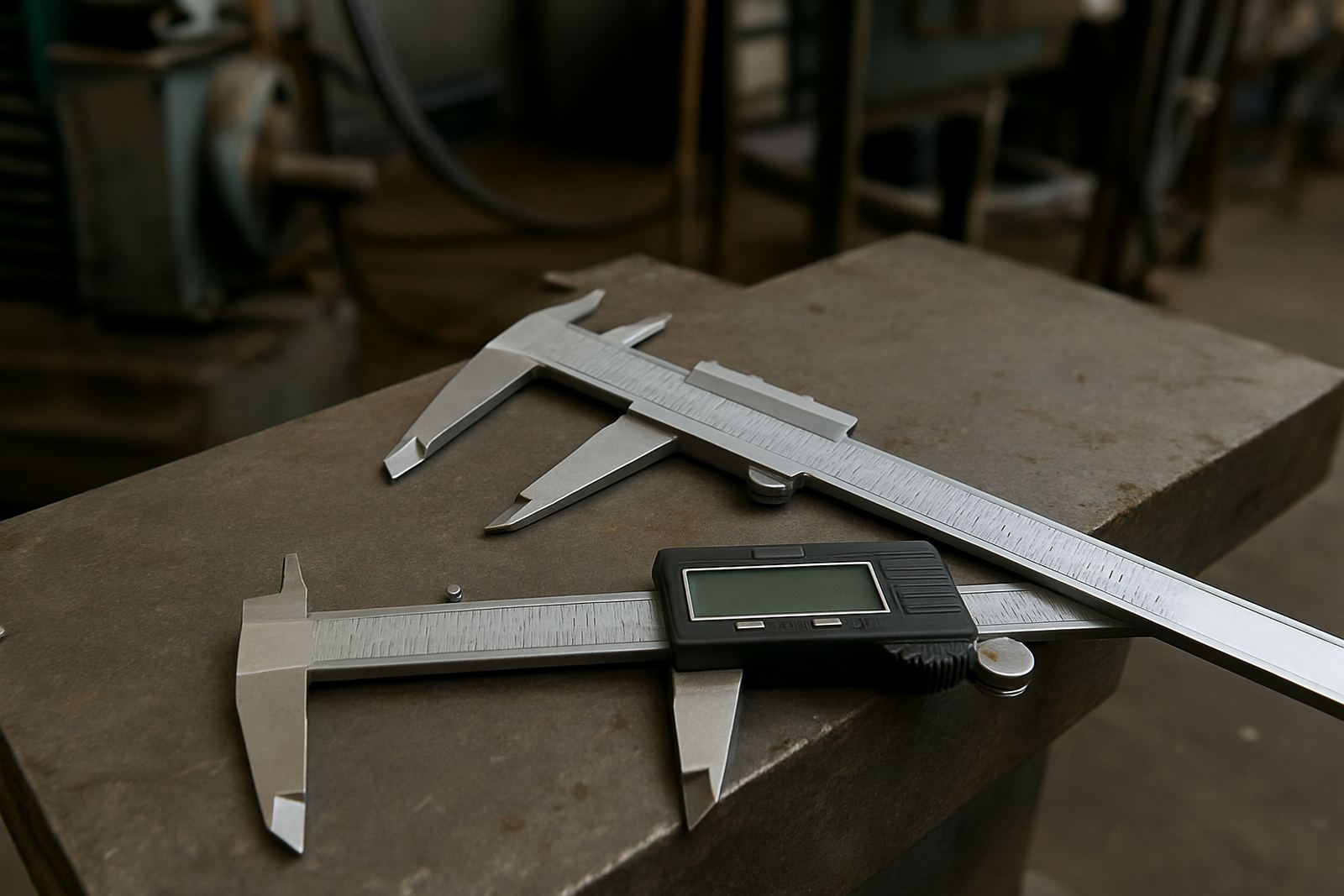
Manual and digital instruments can both do good work, but they suit different tasks. A vernier caliper might be fine for quick checks on a bench in Isando, while a digital caliper can save time when staff are repeating the same measurements throughout the shift. If you are checking shaft diameters, face depths, thread features or clearance on assemblies, the right choice is the one that gives repeatable readings in your environment.
In a busy plant, it helps to ask a simple question: do we need speed, or do we need a tool that can keep working in rough conditions with less fuss? Manual tools still make sense where there is vibration, coolant, dust or limited battery supply. Digital tools are valuable where teams need faster readings and less chance of misreading a scale, especially when several technicians use the same kit.
Why manual tools still earn their place
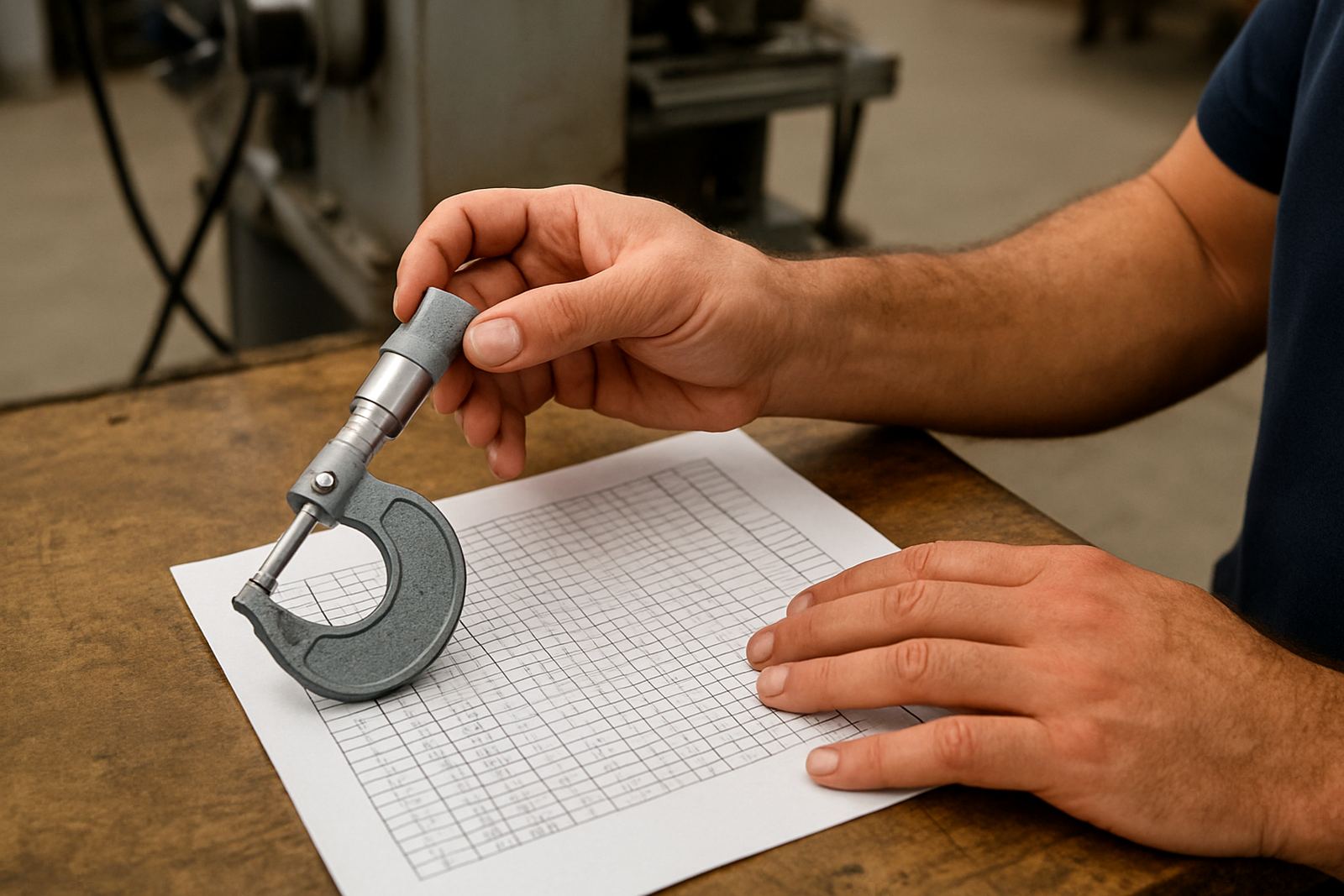
Manual instruments are often chosen because they are straightforward and durable. There is no screen to fail and no battery to replace during a night shift. For many maintenance teams, that matters more than having extra features. A micrometer with a clear mechanical feel can be trusted for repeat checks, and it is easy to keep in a toolbox without worrying about accidental switch-on or battery drain.
They are also useful in places where dust, humidity and temperature swings are part of the day. In coastal areas or in workshops with limited climate control, electronic parts can be affected by moisture if they are not stored correctly. Manual tools do need care and proper calibration, but they are often the better option when reliability under tough site conditions matters most. That said, a worn thimble or damaged measuring face will still throw results off, so handling matters just as much as the format.
- Good for basic shop-floor checks and rougher site conditions
- No battery dependency for overnight work or extended use.
- Simple to train new staff on when readings are straightforward
- Often lower cost to replace if lost or damaged
Where digital measuring tools save time
Digital tools are popular for a reason. They remove guesswork from reading scales, and that can reduce human error when measurements are being taken quickly. In production lines around Germiston or Jet Park, where components are checked repeatedly, the time saved on every reading adds up. Many digital instruments also allow easier zero setting, quicker switching between metric and imperial where needed, and clearer visibility for staff who may struggle with fine scale marks.
There is also a records advantage. When your quality system needs traceable data, digital measuring tools can support cleaner data capture and simpler transfer into inspection sheets or software. That helps when customers ask for proof of compliance, or when internal audits require a reliable trail of measurements. For teams under pressure to keep batch records neat and consistent, digital tools can reduce admin work and limit disputes over what was read on the day.
- Faster to read during repetitive inspections
- Useful for record keeping and quality control paperwork
- Clearer for teams with mixed experience levels
- Helpful when exact readings must be logged and compared
Accuracy depends more on calibration than format
It is easy to assume digital means more accurate, but that is not always true. A high quality manual tool that is well cared for and calibrated can outperform a neglected digital one. What matters is whether the tool is within tolerance, has been checked against a traceable standard, and is being used correctly. A tool with a dead battery or a damaged contact point is not useful no matter how advanced it looks.
This is where regular calibration becomes important. Accu supports calibration for calipers, micrometers, gauges, indicators, height gauges, torque tools, force gauges, pressure gauges, temperature instruments, humidity instruments and multimeters. For firms in Johannesburg, Edenvale, Boksburg or Midrand, keeping instruments on a planned calibration cycle is usually better than waiting until a job fails. Courier collection also helps when teams cannot spare time to drop off equipment themselves.
For many operations, the question is not whether manual or digital is better in theory. It is whether the tool will still read correctly after a month of daily use on a noisy floor, with hands that may have oil, dust or cutting fluid on them. Calibration answers that question better than marketing claims ever can.
Choose by environment, not by habit
A good workshop manager will match the instrument to the setting. In a machine shop with regular power interruptions, manual tools may be the safer default for quick checks. In a laboratory or QC room where records matter and readings need to be entered quickly, digital tools often make life easier. The same applies to field technicians who move between sites in Kempton Park, Meadowdale and the East Rand. If the work changes from hour to hour, it may make sense to keep both types available.
Think about these practical points before buying or issuing tools:
- How often will the tool be used each day?
- Will measurements need to be recorded or printed?
- Is the site dusty, humid or exposed to vibration?
- Do staff need speed, or do they need simple mechanical reliability?
- Can the team keep spare batteries and proper storage in place?
The answer often becomes clearer once the job is looked at honestly. A digital tool used badly is no better than a manual tool used carelessly. Training, storage and calibration still do the heavy lifting.
A local example from the East Rand
Consider a fabrication team in Isando that measures machined parts before dispatch. Their inspectors use manual micrometers for rough checks on the shop floor, then digital calipers in the quality room for final verification and recording. Manual tools keep the workflow steady when digital equipment is not required or when tools are shared across shifts. When power is stable, the digital set helps the team capture readings quickly and file them with less admin. The mix works because each tool has a clear role.
That same team sends instruments in for calibration on a planned cycle, rather than waiting for a complaint from a customer. Their pressure gauges, torque tools and height gauges are checked as part of the same routine, so the measurement chain stays consistent. For businesses around Germiston, Boksburg and Jet Park, this approach reduces rework, avoids hold-ups and keeps compliance easier to prove when buyers ask questions.
Manual versus digital is not a brand loyalty decision. It is a work decision. If your team needs toughness and simplicity, manual tools still belong in the kit. If you need speed, clearer readings and easier records, digital tools earn their place. In practice, the strongest setup is often a mix of both, supported by proper calibration and sensible handling.