
Why incoming inspection matters before a part reaches the line
When a supplier delivery lands at the gate, the pressure is usually to move it straight into stores and keep production running. That is understandable, especially when orders are tight and earlier delays have already reduced available production time. But if a batch of parts is off size, out of tolerance or damaged in transit, the cost shows up later in stoppages, returns and unhappy customers.
Incoming inspection is the first practical filter. It checks whether what was ordered is actually what arrived, and whether the parts meet the dimensions and finish your process depends on. For a machining shop in Isando or a plant in Germiston, that means less guesswork and fewer surprises at the machine.
A good inspection step does not need to slow the business down. It just needs clear rules, the right instruments and someone who knows what to look for. That is what turns a receiving bay into a proper control point instead of a holding area for problems.
What to check on delivery, and what to record
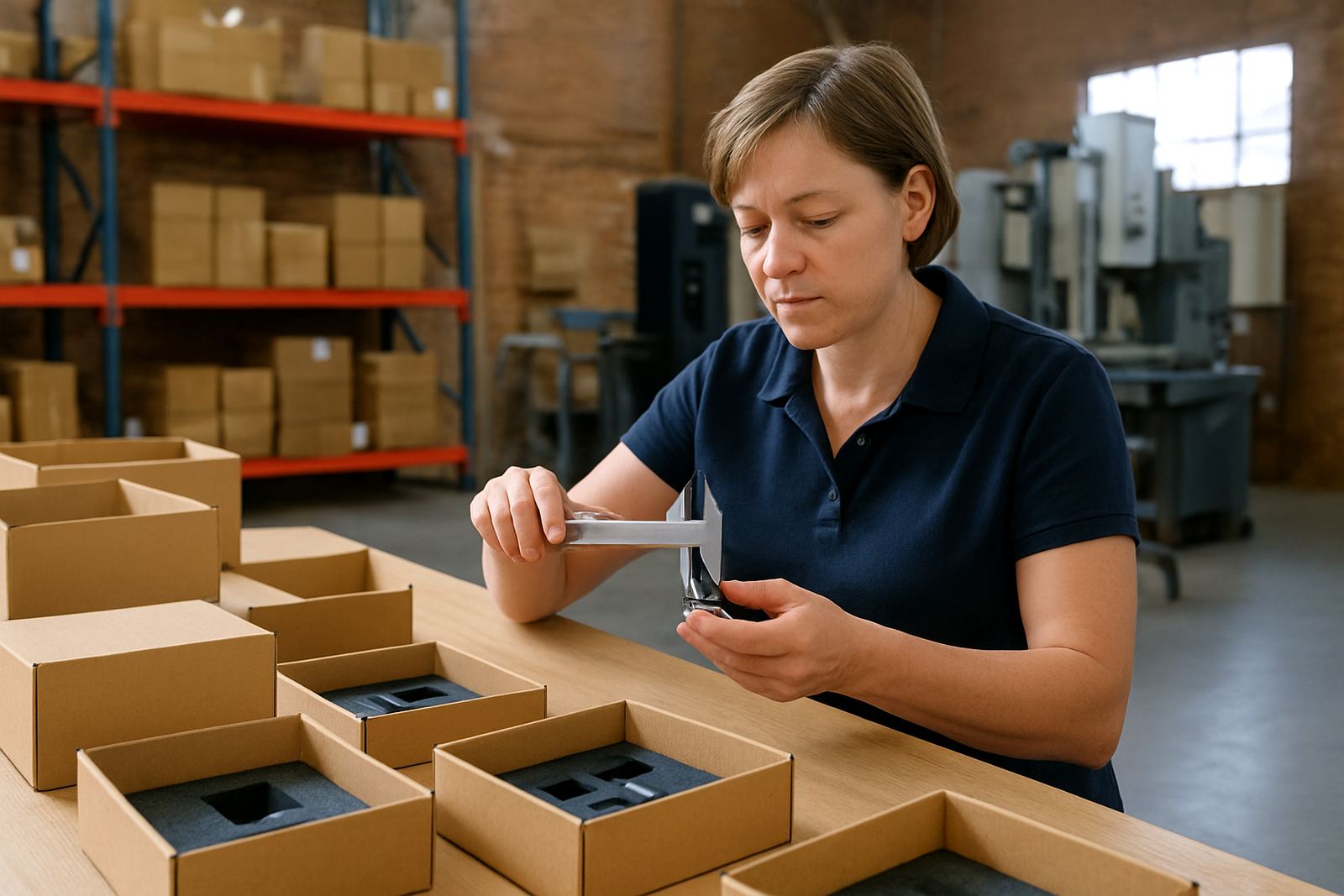
The first check should always be simple: count, identity and condition. Are the right parts there, in the right quantity, with packaging intact and labels matching the order? After that, move to measurable items such as length, diameter, thread form, flatness, surface damage or hole position depending on the part type.
- Verify the purchase order against the delivery note and part description.
- Check packaging for moisture, corrosion, crushed corners or contamination.
- Measure critical features on the sample size set by your internal procedure.
- Record the result, the instrument used and the batch or heat number.
- Quarantine anything that is damaged, out of tolerance or unclear.
Record keeping matters because it shows patterns over time. If one supplier keeps sending parts that are a fraction too large, you can prove it. If the same issue appears in Edenvale, Boksburg and Midrand, the paper trail helps you act on facts instead of arguing from memory.
The instruments that make inspection faster and more reliable
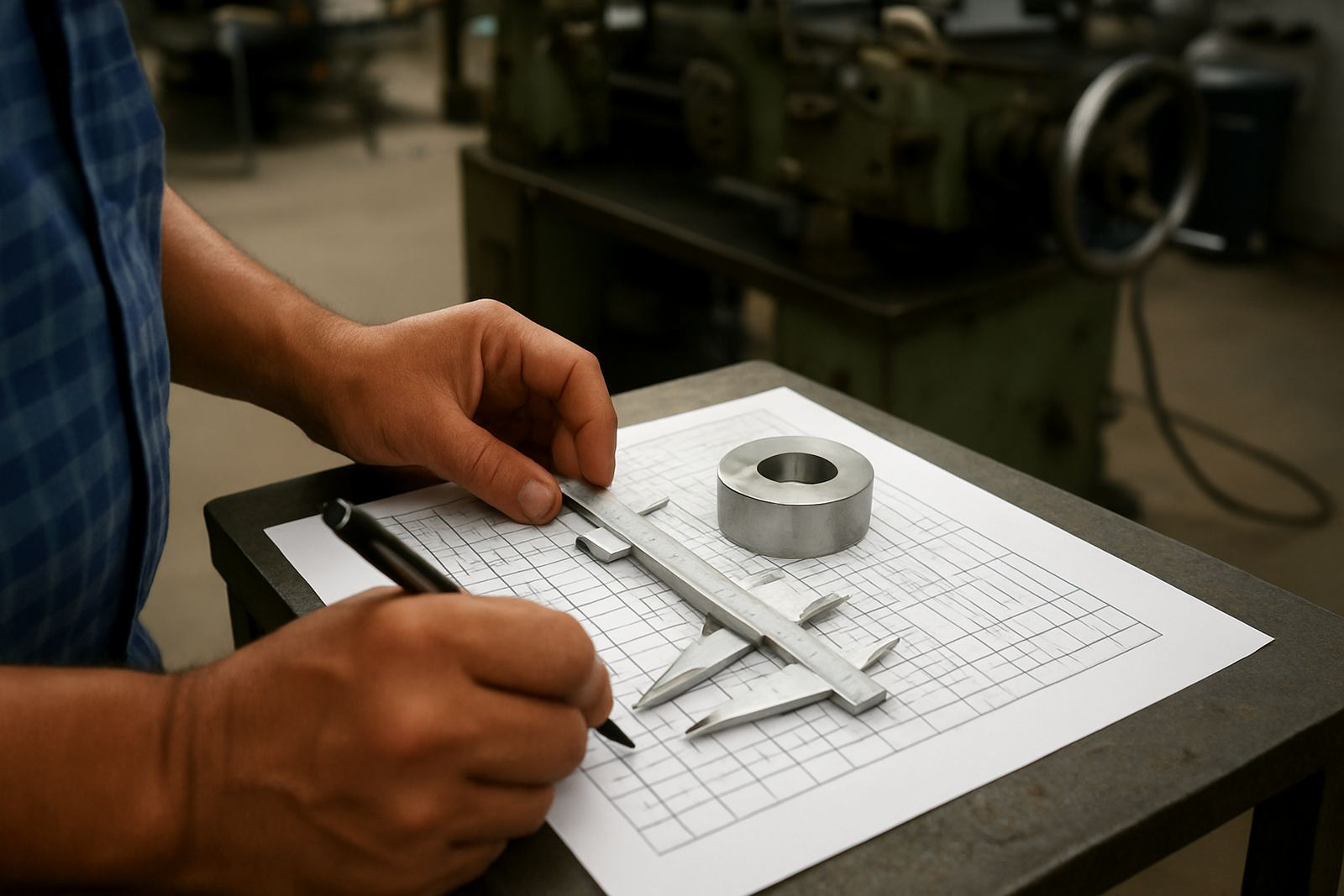
Incoming inspection is only as good as the tools used. A basic ruler is not enough for parts that need tight tolerance control. Calipers, micrometers, gauges and indicators all have a place, but each one must suit the job. Using the wrong tool can create a false pass or false fail, and both are costly.
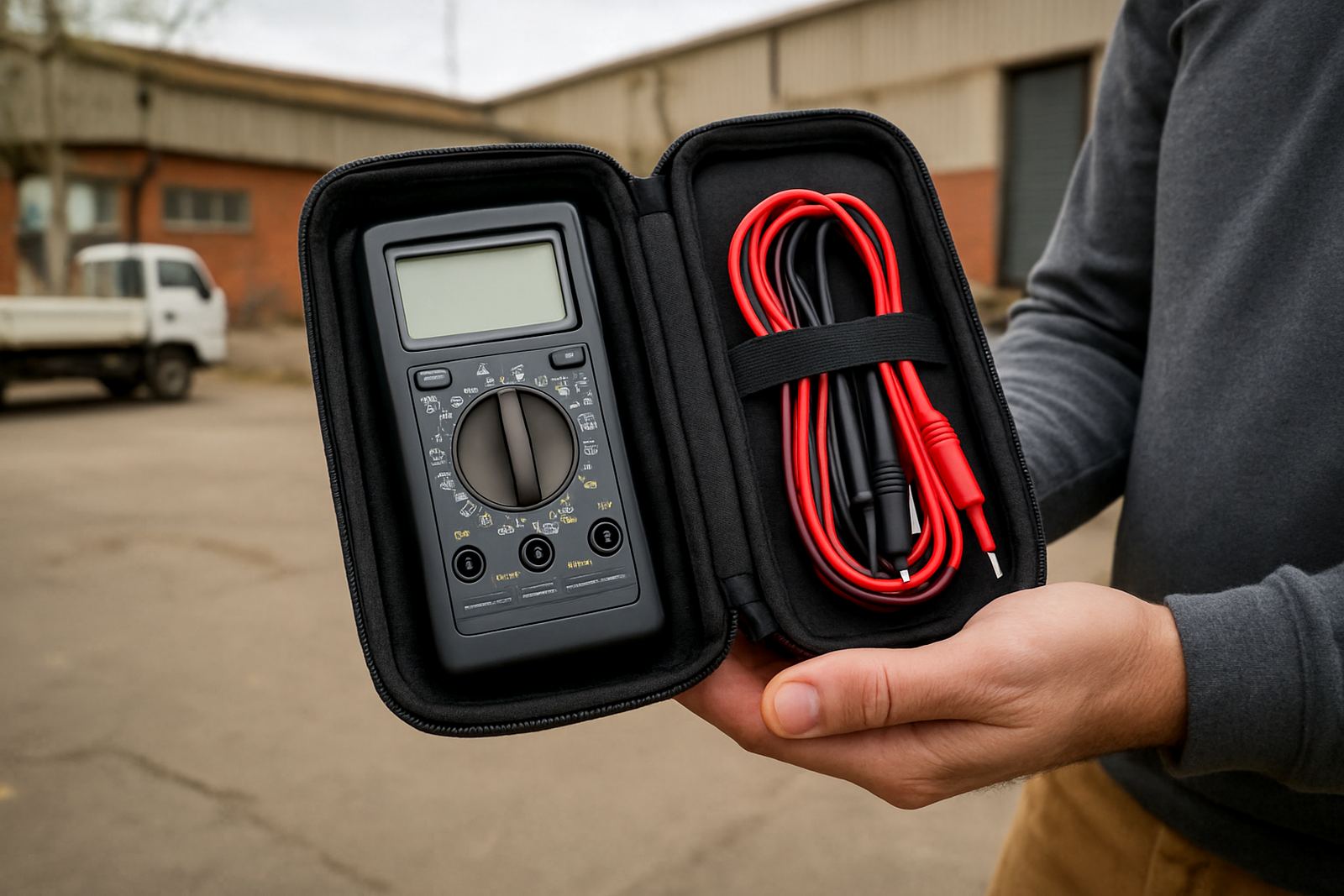
In practice, the receiving team should have instruments assigned to common checks, with clear limits for each measurement. A caliper may be suitable for quick verification of overall size, while a micrometer is better for tighter diameters and shafts. Gauges can speed up go-no go checks on threads or bores, and indicators help confirm runout or alignment where needed.
Good practice also means checking the checking tools. If the instrument is out of calibration, your inspection result loses value. That is why many operations in Kempton Park and Jet Park schedule regular calibration alongside their receiving checks, especially where quality claims or contract work are involved.
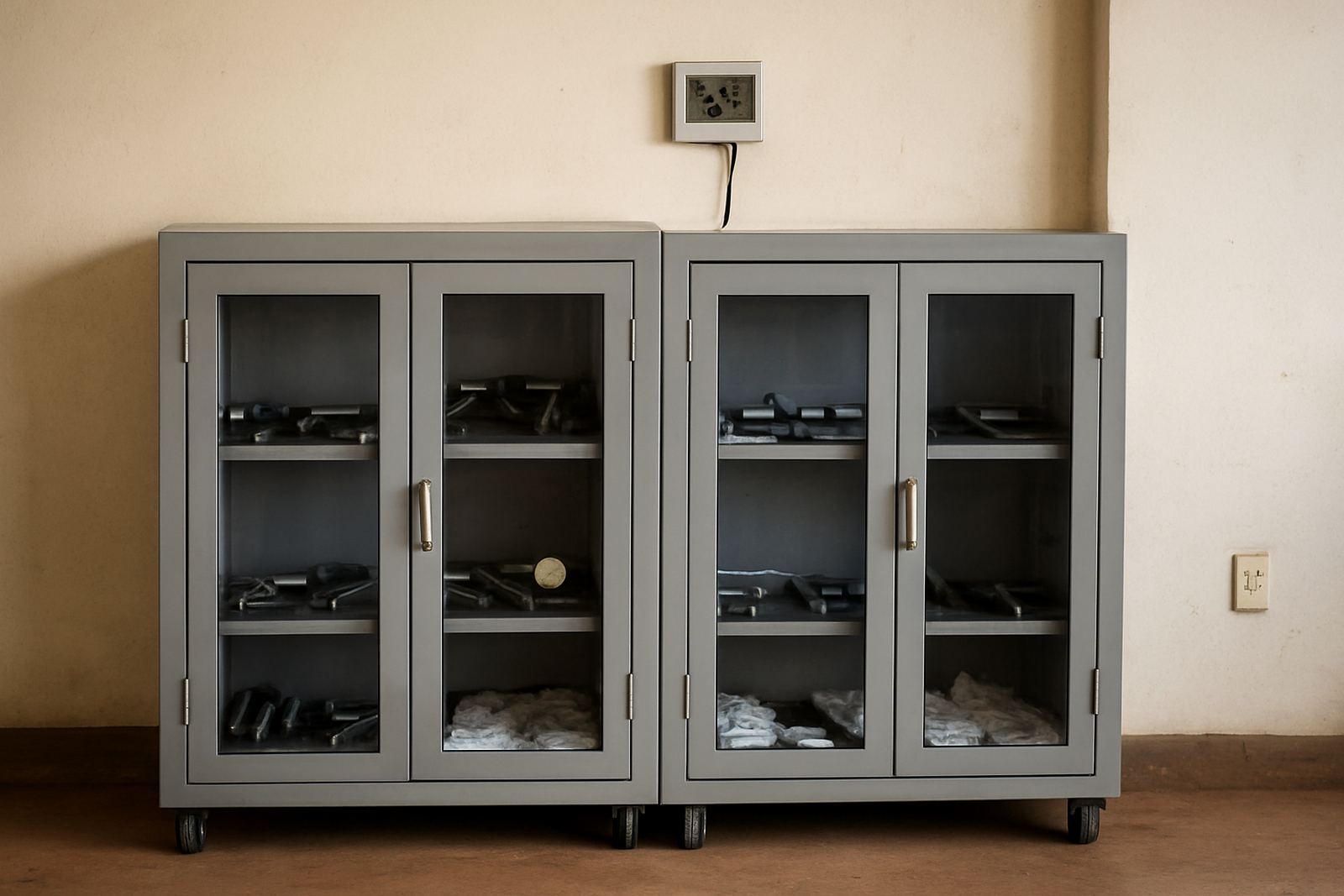
- Keep frequently used instruments clean and stored in dry conditions.
- Protect them from swarf, coolant and dust in the receiving area.
- Use the correct resolution for the tolerance required.
- Tag instruments that are due for calibration or suspected of drift.
Setting up a practical process for busy South African sites
A receiving inspection process works best when it is written down in plain language and followed the same way every time. The goal is not to inspect everything forever. The goal is to inspect enough, in the right place, so that risk stays under control. That is especially important when deliveries arrive at odd times or when staff turnover means procedures can be lost.
For a factory in Meadowdale, the process might start with a quick visual check at the gate, then a sample measurement at stores, then a formal record for any critical components. For a smaller workshop in Edenvale, it may be one trained person using a short checklist and a locked quarantine shelf for rejected items.
Keep the process simple enough that it still works when the line is under pressure or when normal routines are disrupted. If a measurement step needs power, make sure there is backup lighting, a charged device or a manual method available. If the process collapses the moment the lights go off, it will not protect the business when it matters most.
Using local support and calibration to keep checks credible
In Johannesburg industrial areas, incoming inspection often involves more than a quick size check. Many firms need confidence that the instrument itself is reliable, and that the result will stand up to customer audits or internal reviews. That is where calibration support matters. If a micrometer, height gauge or indicator has drifted, even a careful inspector can end up approving a bad batch.
A calibration lab in Isando, Kempton Park can support this work by keeping inspection instruments within known limits and by collecting items from sites across the country through courier collection. That helps operations in Germiston, Boksburg and Midrand avoid long downtime just to keep their measuring kit in order.
For teams that work with imported parts, local humidity and transport conditions also matter. Steel parts can pick up surface rust quickly in damp weather, and packaging can suffer on the road between the coast and Gauteng. A receiving check should take that into account, not just the drawing size.
How to stop bad stock before it becomes expensive rework
The best incoming inspection systems are not complicated, but they are disciplined. They tell staff what to check, when to stop a batch, and who must make the final call. That keeps unsuitable parts out of production and prevents time being wasted on sorting after the fact.
If your operation handles machined parts, electrical components or assemblies with tight tolerances, the receiving step should be treated as part of quality control, not an admin task. A rejected batch that is identified on day one is far cheaper than one discovered after assembly, packing or dispatch.
In practical terms, the winning formula is clear: use the right instrument, check the right features, keep the records and calibrate the tools on schedule. That combination gives suppliers fair treatment, protects your production plan and helps keep every job moving with fewer interruptions.