
Why metre care matters on the workshop floor
In a maintenance team, a metre is used on the plant floor, in switch rooms, near pumps and motors, and often in less than ideal conditions. Dust, vibration, heat and the odd knock from a tool bag can all affect readings. If a multimeter is left in a pickup cab in the sun or used with damaged leads, the numbers can drift and the technician may chase the wrong fault.
That is why metre care is not only about keeping equipment neat. It is about preserving accuracy between calibrations and making sure the instrument still tells the truth when the job is urgent. For Johannesburg and Ekurhuleni sites where teams move between Isando, Kempton Park, Edenvale and Germiston, good handling habits make a practical difference every day.
Keep the instrument clean, dry and correctly stored
Most measuring problems start with dirt, moisture or poor storage. Fine dust can work into buttons and selector switches, while moisture can cause leakage paths that change readings. On coastal work sites humidity can be a bigger issue, but even inland a metre stored in a damp van or left beside open chemicals can suffer.
After use, wipe the casing with a dry lint-free cloth. If the unit has been exposed to oil or grease, use a slightly damp cloth with a mild cleaner approved for electrical equipment, then dry it fully. Never spray liquid directly onto the metre. The same goes for probes and clamps, which should be cleaned before they go back into the case.
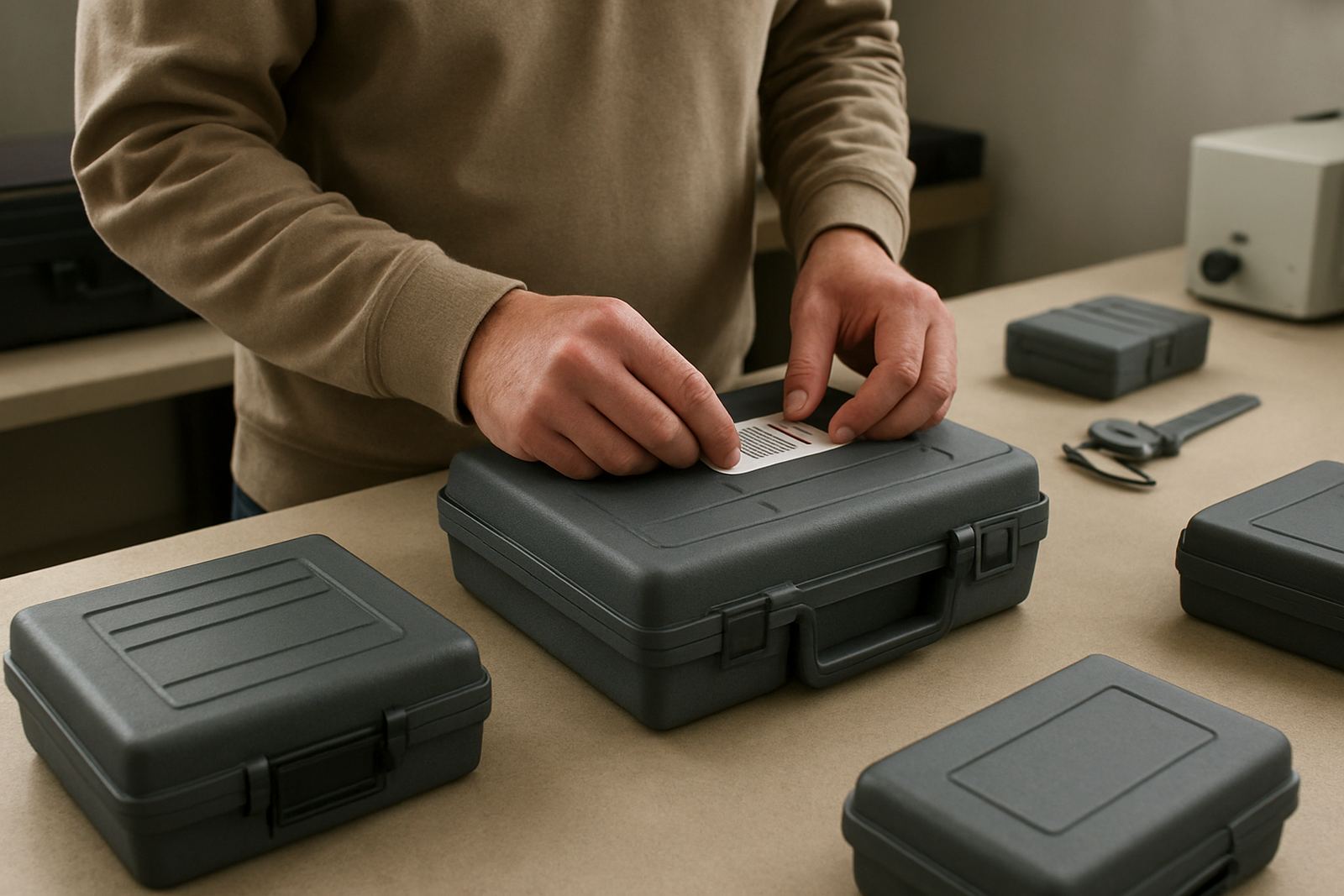
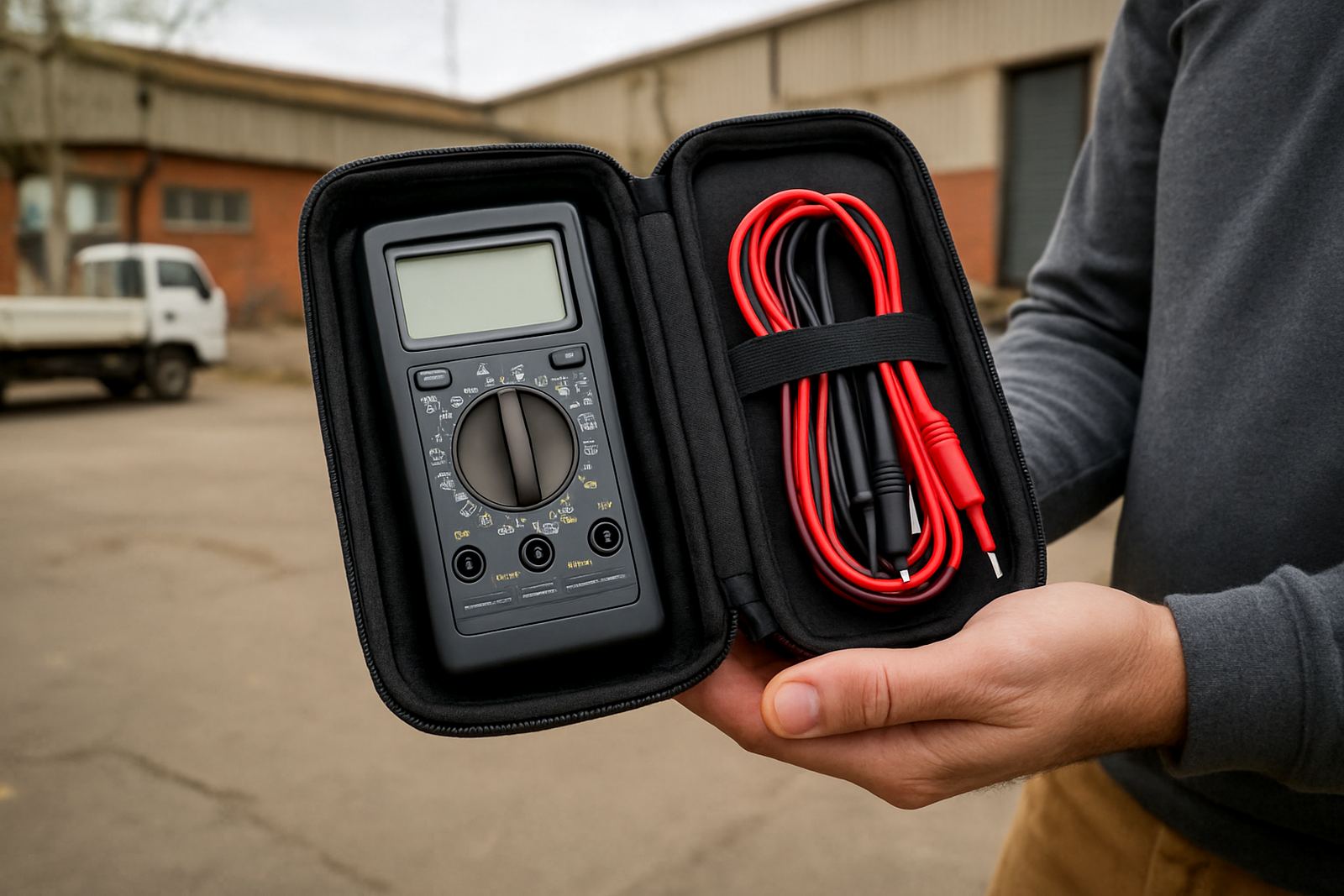
- Store metres in a padded case or lockable cabinet away from heat and direct sun.
- Keep spare leads, tips and adapters together so parts do not get mixed up on site.
- Do not leave a metre on a vibrating surface such as a running compressor or generator frame.
- If a unit gets wet, remove it from service until it has been checked and dried properly.
Treat test leads and probes as consumable items
A lot of faults are not in the metre itself but in the accessories. Frayed leads, cracked insulation and loose probe tips can cause intermittent readings or unsafe contact. In industrial maintenance, leads are often pulled through cable trays, dragged across floor plates or bent sharply in tool bags. Over time, that damage adds up.
Before each shift, inspect the full length of the leads, the strain relief at the ends and the probe insulation. If a lead feels stiff or shows burn marks, replace it. Keep the correct accessories for the application, especially when measuring higher currents or working in panels with limited clearance. It is also wise to label sets that are assigned to specific technicians so missing items are noticed quickly.
- Check for exposed metal, cuts, blistering or crushed sections.
- Make sure plugs fit firmly into the metre terminals without wobble.
- Replace worn crocodile clips and probe caps before they fail in service.
- Use the right category rated accessories for the installation and voltage level.
Handle calibration dates like a maintenance task, not admin
Calibration is part of metre care, not a separate paperwork exercise. A metre can look perfect and still drift out of tolerance after being dropped, overloaded or stored badly. That is why scheduled calibration matters, especially where readings feed into fault finding, compliance checks or production decisions.
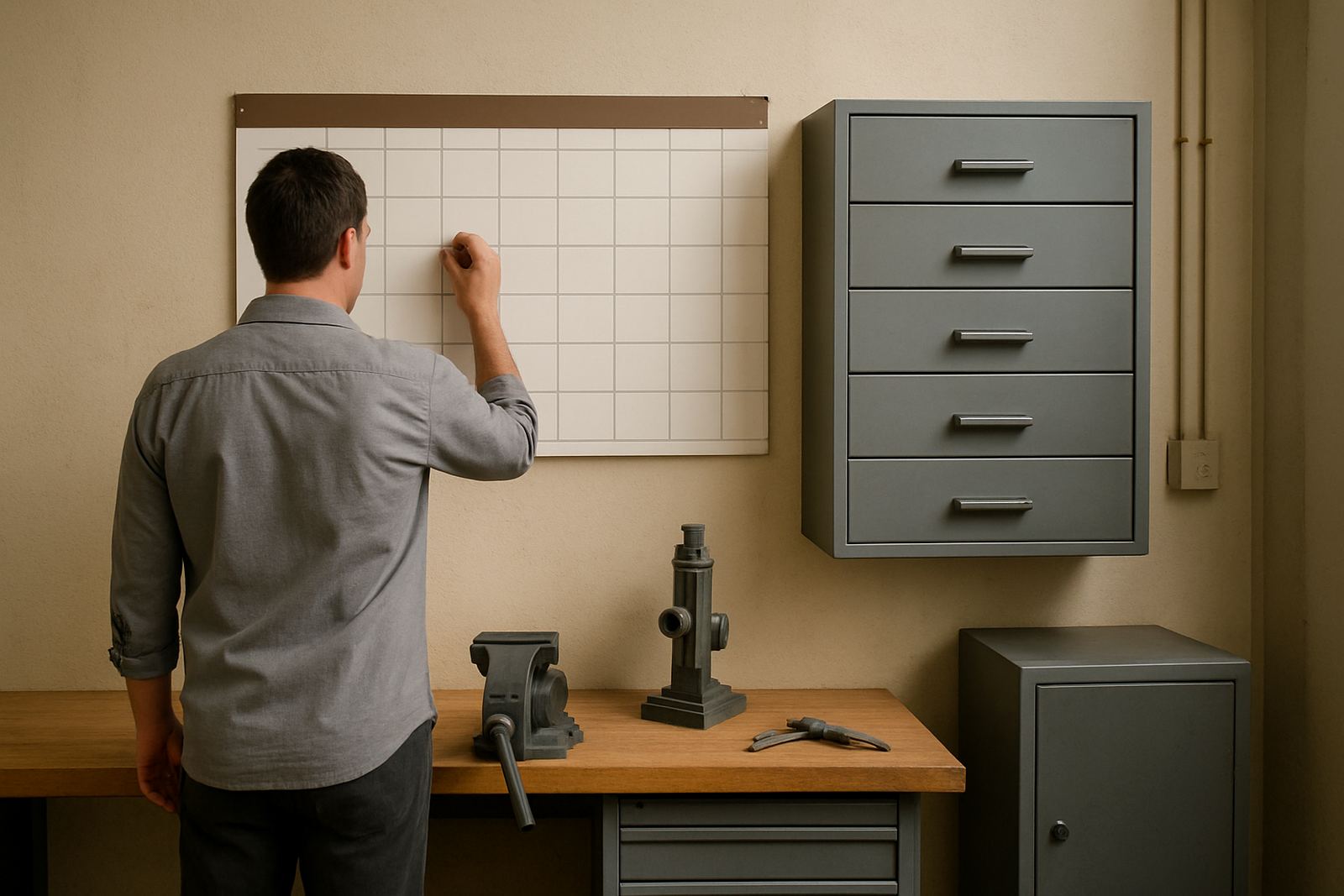
Keep a simple internal log of serial number, issue date, calibration due date and any incidents such as a drop or exposure to water. If a metre has been misused, remove it from circulation until it has been checked. For teams working across Jet Park, Meadowdale and Midrand, a central register helps make sure one site does not keep using an overdue unit while another has a spare sitting idle.
Accu’s calibration lab in Isando, Kempton Park supports this discipline by checking and certifying precision instruments so maintenance teams can trust the numbers they are using. Collection by courier is available nationwide, which helps when sites cannot spare time to send gear across town during the week.
Use the right metre for the job and the environment
Not every instrument suits every task. A compact handheld metre may be ideal for quick troubleshooting, but panel testing, HVAC work or calibration checks may need a different range or accessory set. Choose a metre with the correct measurement functions, overload protection and display resolution for the work being done.
Also think about the environment. On dusty factory floors, keep port covers closed when not in use. On sites with limited support services, check the metre’s battery level before the shift starts so it does not fail during critical tasks. Where temperatures rise in plant rooms or roof spaces, avoid leaving the metre in direct heat for long periods because battery life and display performance can suffer.
- Match the metre range to the expected value so readings stay stable and clear.
- Use insulated accessories when working near switchgear or motor control centres.
- Keep a spare battery in the kit, but replace batteries before they leak.
- Do not use a damaged metre because the fault looks minor.
A practical Johannesburg example from a maintenance team
A maintenance contractor in Isando may start the day with three electrical faults at different sites, one in Kempton Park and another near Boksburg. If the team shares a small stock of metres, they need a system that works under pressure. That means each metre returns to the case after use, leads are coiled properly, and any unit that has been dropped goes straight to inspection.
One technician may notice that a reading on a motor starter does not match the expected value. Rather than assuming the machine is at fault, the first step is to check the metre status, leads and recent calibration record. That habit can save hours of unnecessary stripping and testing. It also protects the business from making decisions based on a faulty instrument, which is a costly mistake in any industrial setting.
For teams that service factories, warehouses and municipal plant rooms across Johannesburg, simple discipline is often the difference between a smooth repair and a call-back. Good metre care keeps the tool ready, the readings consistent and the job moving.
Build metre care into daily routines
Metre care works best when it is part of the normal shift routine. The same way technicians sign out tools or check isolations, they should also confirm that the metre is clean, the leads are intact and the calibration label is current. This takes only a minute, but it prevents most avoidable problems.
Supervisors can help by setting a clear return process after each job, assigning storage points and making sure worn accessories are replaced before they fail. If a team keeps using instruments without care the failures usually happen at the worst time. With a few steady habits, electrical measuring gear stays accurate, safer to use and ready for the next callout.