Why asset labels matter when tools move every day
In workshops, plant rooms and inspection teams, small measuring instruments often move faster than the paperwork that should track them. A caliper may start in receiving, go to quality control, then end up on a technician's van or a contractor's site in Midrand. Without a clear label, it is easy for items to be put back in the wrong drawer, left in a toolbox, or missed when calibration comes due.
Good asset labelling does more than mark ownership. It creates a visible link between the instrument, its unique number, its last calibration date and the person responsible for returning it on time. That makes daily control easier, especially where several people share the same set of gauges and measuring tools.
- Clear identification reduces loss and mix-ups
- Labels make audit checks faster
- Calibrated status is easy to see at a glance
- Due dates are easier to manage across departments
What a practical labelling system should show
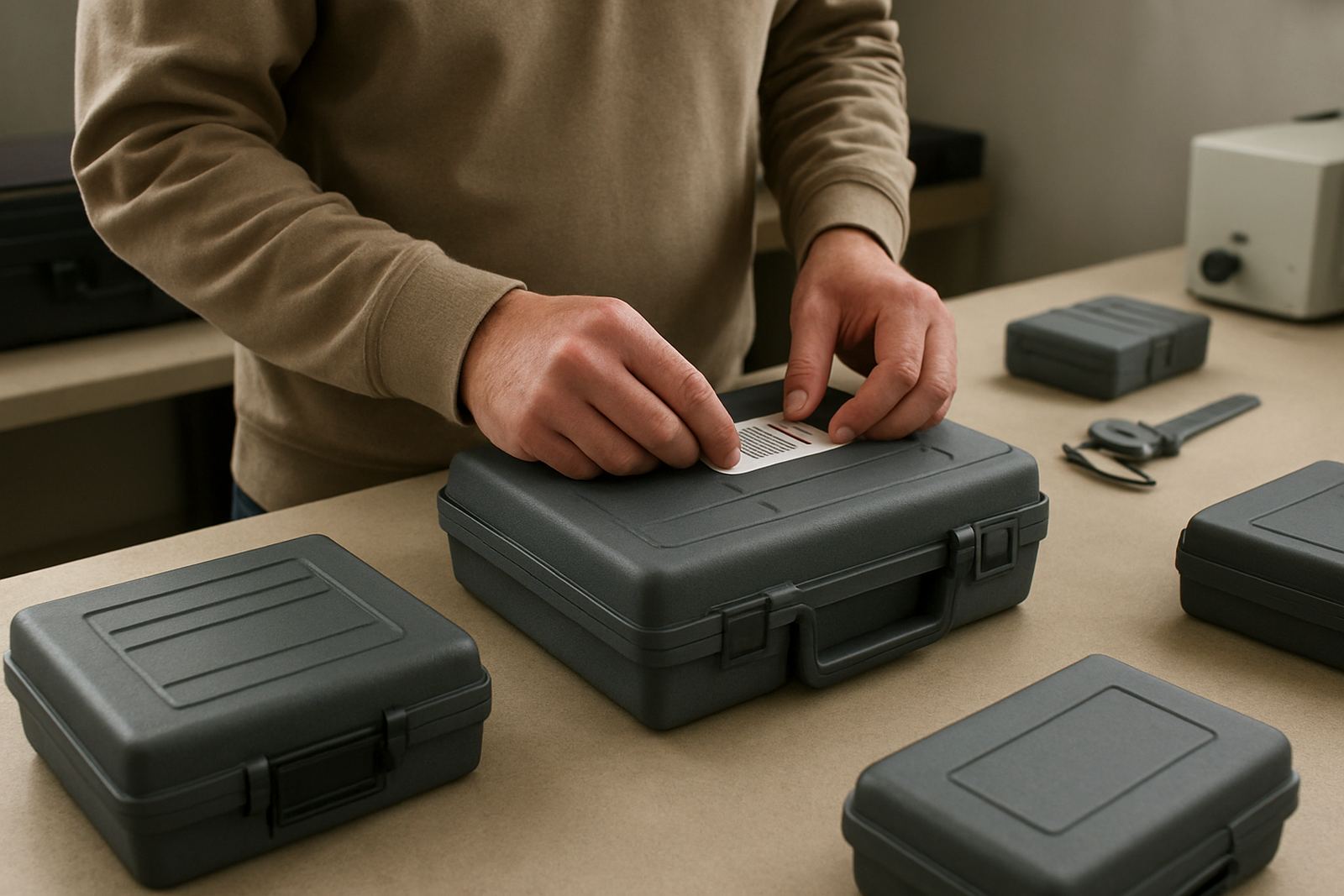
The best labels are simple. They must be readable, durable, and placed where they will stay visible without interfering with use. On a micrometer or height gauge, that often means the case, handle or side body rather than a measuring face or moving contact point. For instruments exposed to dust, oil or coastal humidity, the label should stand up to handling and cleaning.
A sound system does not need fancy wording. It needs consistent details that your team can understand quickly. If you use different formats for different departments, the records become messy and instruments get overlooked. One clear standard is usually enough for stores, production and maintenance teams to follow.
- Asset number or ID code
- Instrument name and size range
- Calibration status and due date
- Department, site, or user group
- Barcode or QR code if your stock control uses scanning
For example, a pressure gauge used on a compressed air line in Germiston should be labelled in the same way as a torque tool in Edenvale. That consistency makes handovers cleaner and cuts down on guesswork.
How labels help prevent missed calibration dates
Missed due dates usually happen for ordinary reasons. A tool is transferred to another line, someone assumes another team is handling the booking, or the instrument is packed away after a shutdown and forgotten. A visible asset label gives your team a quick check point before the tool goes back into service.
When the label includes the last calibration date or the next due date, supervisors can spot overdue items during routine inspections. That is especially useful for teams working under time pressure during month-end production runs or shutdown maintenance. It also helps during internal quality reviews, where missing records can slow down approvals.
- Use one owner for each instrument, even if several people use it
- Link the label number to a simple register or spreadsheet
- Check labels during tool issue and return
- Move overdue items into a separate quarantine area
- Replace damaged labels as soon as they are noticed
Many teams find that once labels are in place, the question changes from