
Why Humidity Matters in Measurement Work
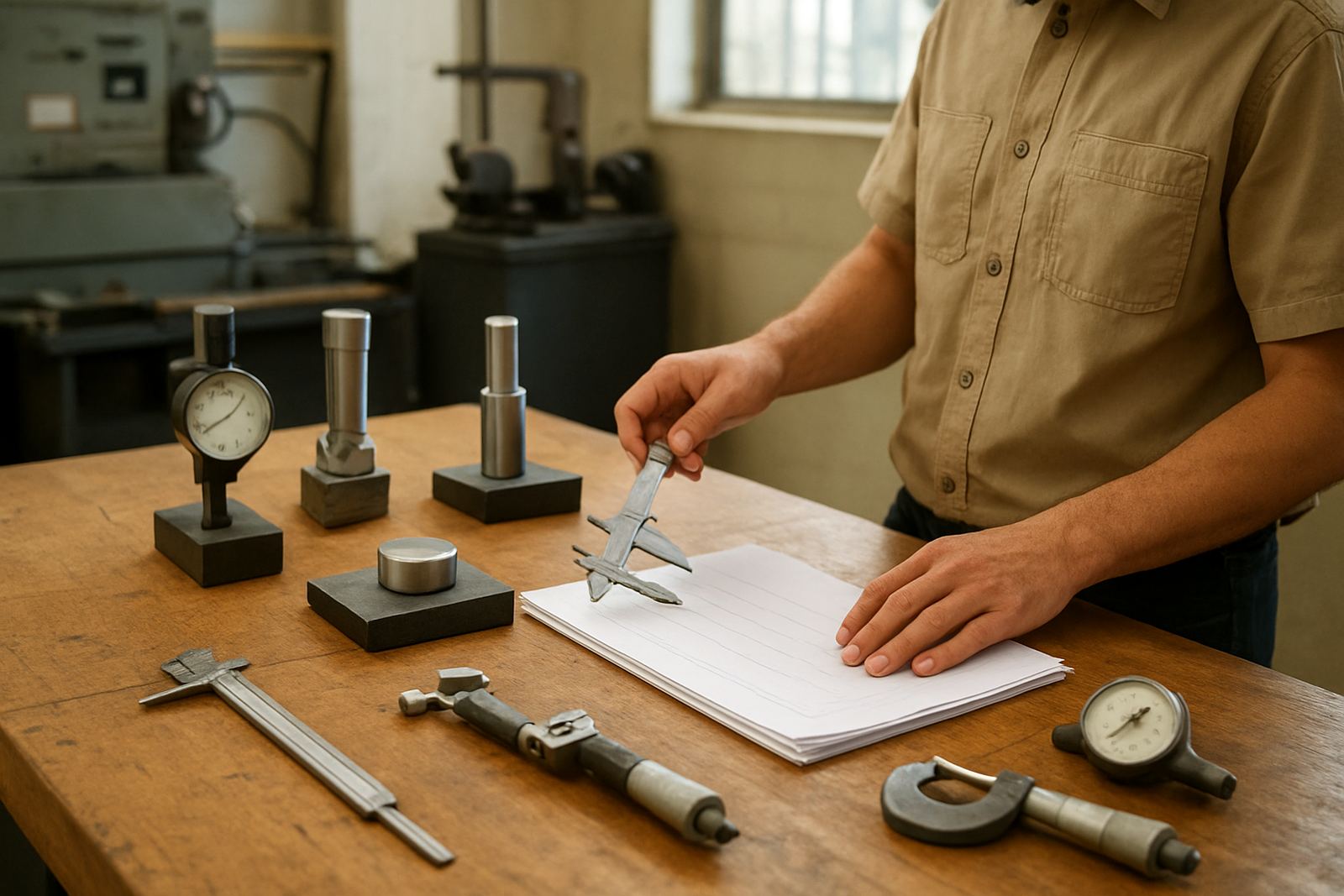
Moisture in the air affects more than comfort. In a calibration lab or on the factory floor, high humidity can cause condensation on cold surfaces, encourage corrosion and alter the condition of instruments before they are even put on the bench. That is especially important for micrometers, calipers, gauges and indicators with finely finished metal parts.
When a measuring tool is moved from an air-conditioned office into a warm, damp area, the temperature shift can create condensation on the frame or measuring faces. That thin film of moisture may be enough to cause staining, surface oxidation or a temporary reading issue if the tool is checked too soon after movement. It is a small thing, but small things add up in production environments.
At our calibration lab in Isando, we often remind clients that humidity is not just a coastal problem. Even inland, storage rooms near loading bays, wash-down areas or unventilated stores can see moisture build-up after rain, especially when doors open and close all day.
Storage Conditions That Help Prevent Corrosion
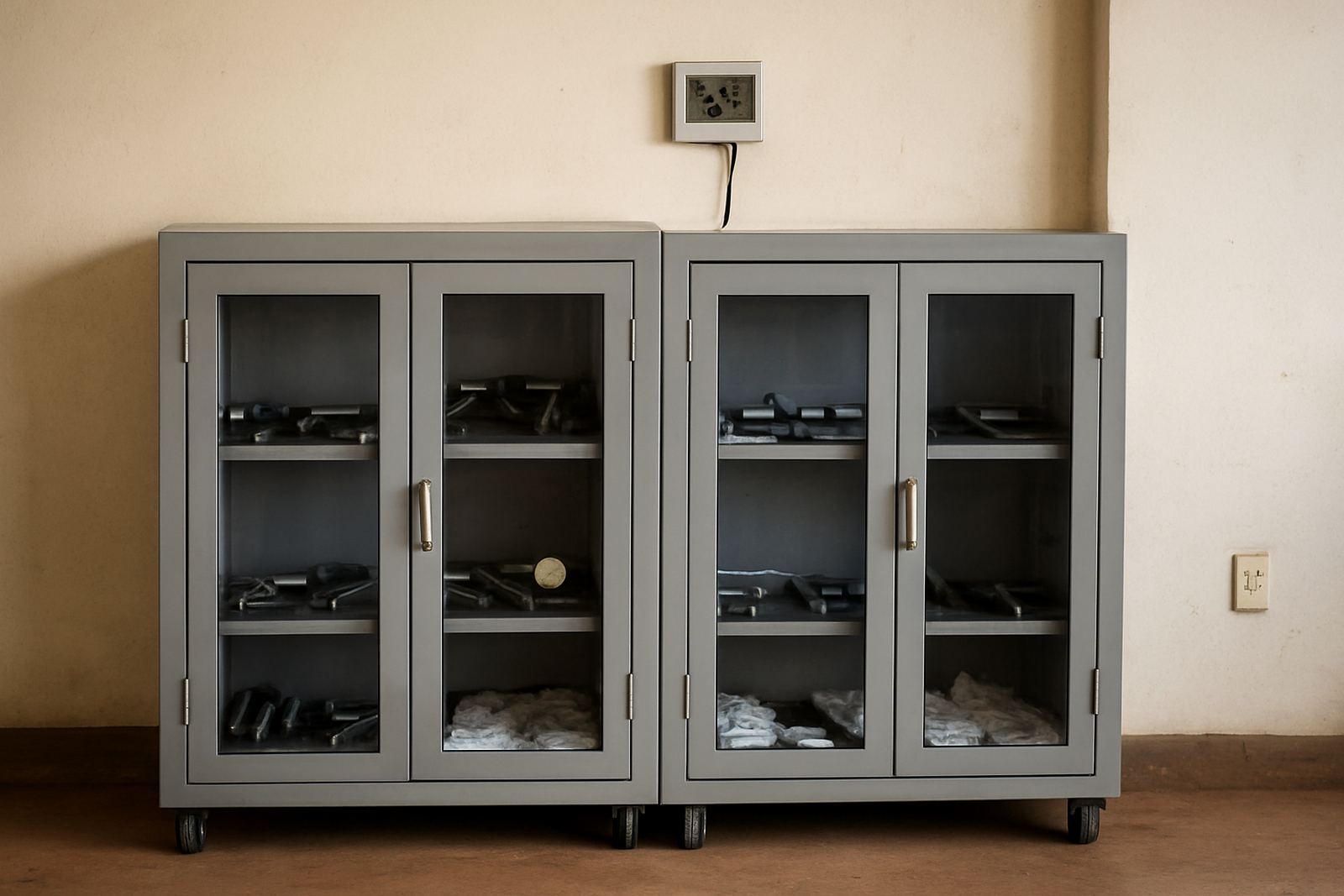
Correct storage is the first line of defence. Measuring instruments should be cleaned, dried and packed away in a stable environment, not left on benches overnight or kept in open drawers near steam, compressed air leaks or floor wash water. A closed case is good, but a damp case is worse than no case at all.
For workshops in Kempton Park, Germiston or Boksburg, the main concern is often temperature swings rather than rain itself. A tool that sits in a cool storeroom and is then used in a hot machine bay can attract moisture fast. Wipe tools down after use, let them stabilise before packing, and keep silica gel or other drying aids in storage cases where suitable.
- Store instruments in a clean, dry cabinet or case, away from chemical drums and open windows.
- Do not seal in a tool that is still warm or visibly damp.
- Inspect screw threads, jaws and spindle areas for early rust or pitting.
- Rotate stock so the same instruments are not left unused for months in the back of a store.
How Humidity Can Shift Calibration Conditions
Humidity does not usually change the actual scale on a quality instrument by itself, but it can affect the environment in which the calibration takes place. Calibration should happen under controlled conditions as far as possible, with stable temperature and humidity, because moisture can influence corrosion, lubrication behaviour and the stability of reference surfaces.
In high humidity, a technician may need extra time to allow an instrument to settle to room conditions before taking readings. That matters for temperature calibration, humidity calibration and also for general dimensional checks where surface condition influences contact. If an instrument is cold from courier transport and arrives at a warm site in Midrand, it should not be tested straight out of the box. Give it time to acclimatise.
Some clients assume a calibration issue is really a fault in the tool. Sometimes it is, but other times the surrounding moisture, storage method or recent handling explains the variation. Good calibration practice includes checking the state of the instrument, the environment and the use history before making a call.
Signs Moisture Is Starting to Affect Your Instruments
Humidity damage often starts quietly. A tool may still look fine from a distance, but closer inspection reveals dull spots, stiff movement or an odd feel on the measuring faces. If a micrometer becomes harder to turn, or a gauge needle does not settle as smoothly as it should, moisture may be part of the problem.
Look out for:
- Surface rust on unpainted steel parts.
- White or cloudy residue on stored tools.
- Sticking movement in spindles, jaws or threads.
- Intermittent reading drift after transport between rooms.
- Water marks inside cases, drawers or transport containers.
If you are seeing these signs regularly, it is worth reviewing not only the tool condition but also the storage area, cleaning routine and the time instruments spend outside controlled space. In many cases a small change in handling can prevent repeated calibration problems, and save money too.
Local Conditions in Johannesburg and Beyond
Johannesburg is not as humid as the coast, but moisture still becomes a factor in certain seasons and in specific workplaces. In Isando, Jet Park and Meadowdale, warehouses and production sites often deal with loading doors, condensation from compressed air systems and early morning temperature changes. In Edenvale and Kempton Park, a workshop close to a wash bay or painting area can have humidity spikes that are easy to overlook.
Clients in humid coastal routes face an even bigger challenge. Courier movement between Johannesburg and Durban, or from the Highveld to coastal towns, can expose instruments to varying moisture levels in transit. That is why packaging and collection arrangements matter. For nationwide collection, instruments should be protected against impact and wrapped so they do not sit against cold surfaces where condensation can form.
When we receive tools at our base in Isando, we check for obvious moisture marks and allow items to stabilise before assessment where needed. That extra step helps keep results accurate and reduces the risk of misreading a condition that was created by transport rather than by actual wear.
Practical Steps for Workshops and Stores
Humidity control does not need to be complicated. A disciplined routine often does more good than expensive equipment. Keep the storage area clean, dry and off the floor where possible. If your site uses evaporative cooling or wash-down hoses, check that doors and vents are not leaving tools exposed to damp air for long periods.
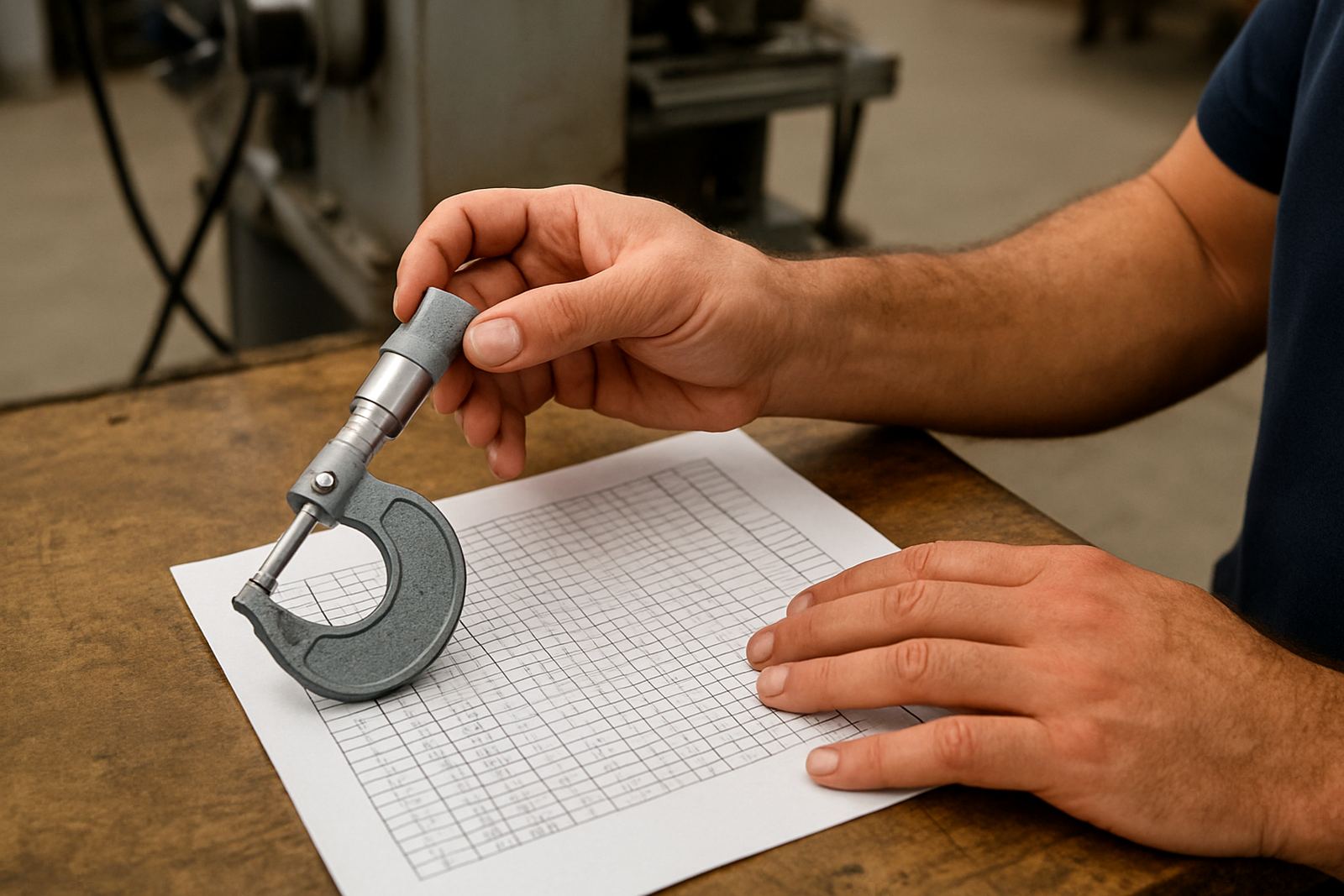
It also helps to build humidity checks into maintenance routines. That may mean noting the condition of cases, checking for condensation after rain, or recording whether tools were stored near outside walls. If your work is regulated, these notes can support your internal quality records and explain variation when an instrument comes in for calibration.
- Keep calibration intervals realistic for the environment the tool works in.
- Use covers or sealed cabinets for long-term storage.
- Dry hands and tools before putting them away after wash-down tasks.
- Separate precision instruments from wet cleaning equipment and chemical storage.
Humidity is manageable when it is treated as part of daily housekeeping rather than as an occasional problem. A bit of attention now can prevent costly corrosion later, and that is true whether the instrument is in a lab, a plant or a courier box on the way to us.
When to Send Tools for Professional Checking
If moisture has already affected a tool, do not wait for the problem to get worse. Send it for inspection and calibration if you notice corrosion, sticky movement, inconsistent readings or visible water entry. That is especially important for instruments used in manufacturing, maintenance, QA and field service, where even a small error can affect output.
Our calibration services cover calipers, micrometers, gauges, indicators, height gauges, torque tools, force gauges, pressure gauges, temperature instruments and humidity instruments. We also offer courier collection nationwide, which helps businesses in Johannesburg, the East Rand and further afield get instruments checked without unnecessary delay.
Humidity will always be part of South African working life, but it does not have to become a costly fault line. With the right storage habits, sensible handling and timely calibration, your instruments can stay accurate and your records cleaner, even when the weather is less than friendly.