
Manual vernier calipers for everyday measurement work
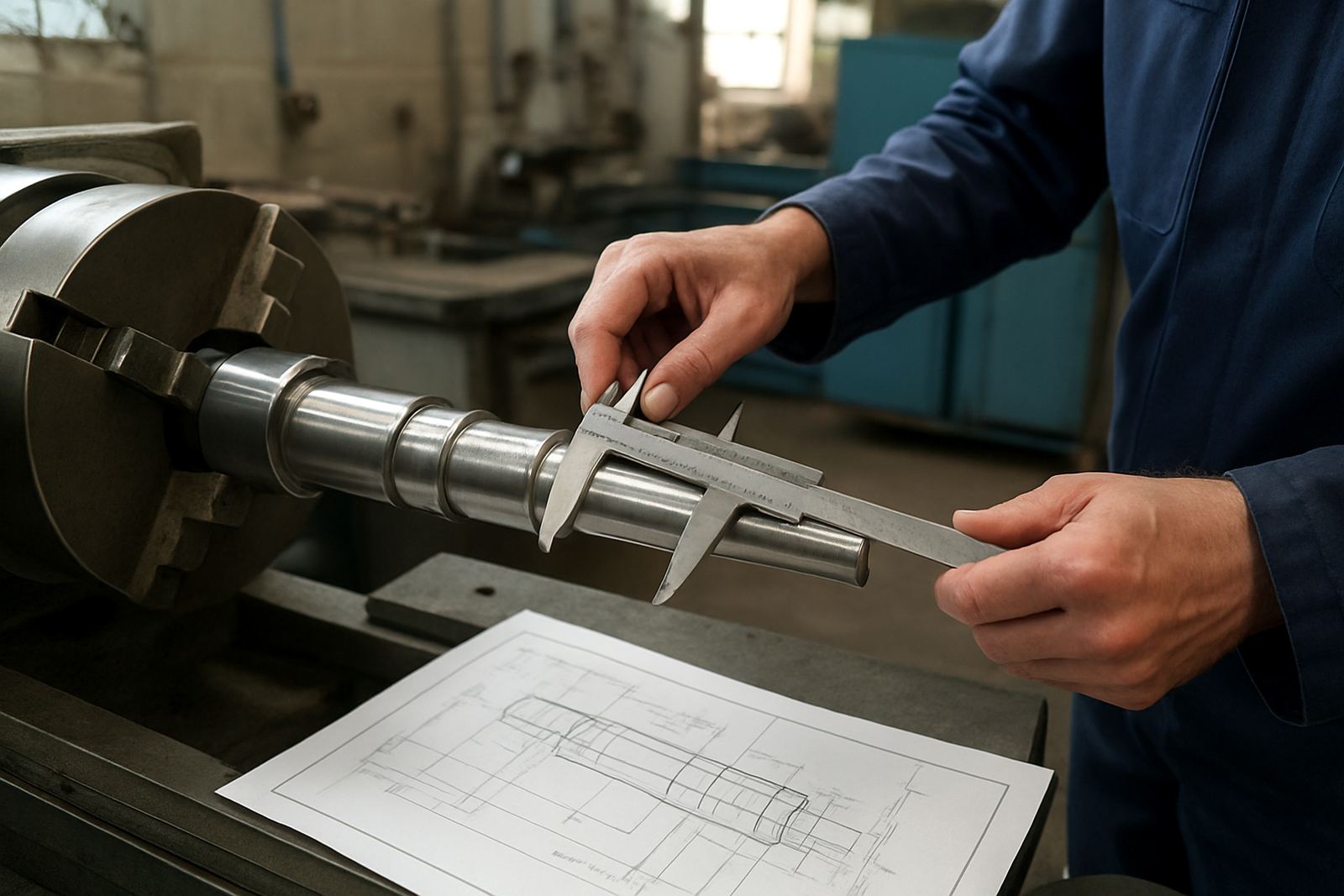
Vernier calipers are one of the most practical measuring tools in a workshop because they do not rely on batteries and they give direct readings for outside, inside, depth and step measurements. For fitment checks, incoming inspection and maintenance work, they are ideal where a technician needs a fast reading without setting up a gauge or powered instrument.
In Isando, Kempton Park and the wider Gauteng industrial belt, vernier calipers are used on assembly lines, in machine shops and by field technicians who need a tool that can handle regular use. They suit metal, plastics, rubber components and general fabrication work, especially where size checks must be done quickly and often.
Because the reading is taken mechanically, the tool is less affected by low batteries or charging issues. That makes it a practical option for sites that need continuity on the floor and in the stores area.
Sizes, graduations and the right option for the job
We supply manual vernier calipers in common lengths and reading styles to suit different measurement tasks. The most requested sizes are 150 mm, 200 mm, 300 mm and 600 mm, with 150 mm being the standard workshop size for general use. Larger sizes are better for engineering work, fabrication and larger components.
Depending on the application, the tool may be supplied with metric readings, imperial readings or a dual scale. Fine graduations are useful where tighter tolerances matter, while wider ranges are better for larger parts and field inspection work.
- 150 mm calipers for general workshop and maintenance checks
- 200 mm and 300 mm calipers for engineering and fabrication
- 600 mm calipers for larger components and heavier industrial work
- Inside jaws for bore and slot checks
- Depth rod for recesses, shoulders and counterbores
- Step measuring faces for ledges and offsets
Where vernier calipers suit best in South African industry
These instruments suit manufacturing, metalworking, automotive repair, tooling, electronics assembly and equipment maintenance. They are often used where technicians need to confirm component sizes before machining, assembly or dispatch. In Germiston, Boksburg and Jet Park, they are common on production floors and in stores areas where parts are checked before they move to the next operation.
They are also useful for smaller businesses that do not need a digital display on every measurement. A well made vernier caliper gives dependable readings with little fuss, and it is a sensible option where a team wants a straightforward instrument that can be checked and calibrated regularly.
For coastal clients sending tools from Durban or Port Elizabeth, the manual design can also be a good choice because it is less sensitive to electrical issues and easier to keep in use after transport, storage or periods of low activity.
Power, installation and site conditions
Vernier calipers do not need installation, wiring, gas or compressed air. They are ready to use once the jaws are clean and the scale is readable. That makes them suitable for mobile technicians, site teams and workshop staff who work between benches, machines and field locations.
The main site considerations are good handling and proper storage. Keep the tool away from swarf, coolant and grinding dust. On humid coastal sites, wipe the caliper after use and store it in a dry case with the jaws closed lightly, not clamped hard. In dusty factories around Midrand or Meadowdale, a simple cleaning routine at the end of shift helps maintain smooth movement and accurate readings.
- No electrical supply required
- No batteries to replace
- No gas, air or special mounting needed
- Works well in portable kits and maintenance vans
Care, calibration and servicing that keep readings trustworthy
Like any precision measuring tool, a vernier caliper needs routine care. Clean the beam and jaws with a lint free cloth, avoid dropping it on a concrete floor and never use it as a clamp or marking tool. Even a small knock can affect alignment and cause errors that carry through to production or inspection records.
Accu offers calibration services for calipers from our Johannesburg base in Isando, with courier collection available nationwide. That helps businesses keep measurement records current without sending a technician off site. Our calibration lab supports manufacturers, workshops and maintenance teams that need traceable results and clear reporting for internal quality systems.
For busy plants, regular calibration is especially important where the caliper is used for parts that must fit other components or meet customer specs. A tool that reads correctly today but drifts over time can cause rework, scrap and delays, so a simple servicing plan often saves time and money.
What to check before you order
Before ordering, confirm the measurement range you need, the scale type and the level of precision required for the job. If your team measures small components, a 150 mm tool may be enough. If the work includes larger fabricated parts, shafts or housings, consider a longer range.
It also helps to check whether the tool must match existing inspection procedures, drawing tolerances or a specific quality standard. If the caliper will be used by several operators, look for clear graduations and a smooth sliding action so readings stay consistent across shifts.
- Required range, such as 150 mm, 300 mm or 600 mm
- Metric, imperial or dual scale preference
- Internal, external and depth measurement needs
- Required accuracy for the job
- Storage conditions, especially humidity and dust exposure
- Whether calibration records are needed for your quality system
If you are unsure which vernier caliper suits your application, send an enquiry through the contact page and our team will help you match the instrument to the work, whether you are based in Isando, Edenvale, Alberton or further afield.
Vernier calipers for South African workshop teams
Vernier calipers remain a staple because they are simple, durable and practical. They suit teams that need dependable dimensional checks without added complexity. For engineering departments, plant maintenance crews and inspection staff, that combination is hard to beat.
Accu supports that need with supply, calibration and collection arrangements that work across Johannesburg and beyond. Whether the caliper is used for routine checks in Kempton Park or for field work in another province, the focus stays on clear readings, proper care and instruments that perform as expected.
Key facts
| Type | Manual vernier caliper |
|---|---|
| Common sizes | 150 mm, 200 mm, 300 mm, 600 mm |
| Reading options | Metric, imperial or dual scale |
| Typical uses | Outside, inside, depth and step measurements |
| Calibration support | Available from our Isando calibration lab |
| Service area | Johannesburg and courier collection nationwide |