
What a granite surface plate does in daily workshop use
A surface plate is a flat, stable reference used to check height, straightness, parallelism and the squareness of components. In practice it becomes the foundation for inspection routines, marking out jobs and set ups where a few microns can change whether a part passes or fails. Granite is preferred in many South African workshops because it resists corrosion, holds its flatness well and does not rust in coastal humidity or in busy shops where coolant mist and dust are part of the day.
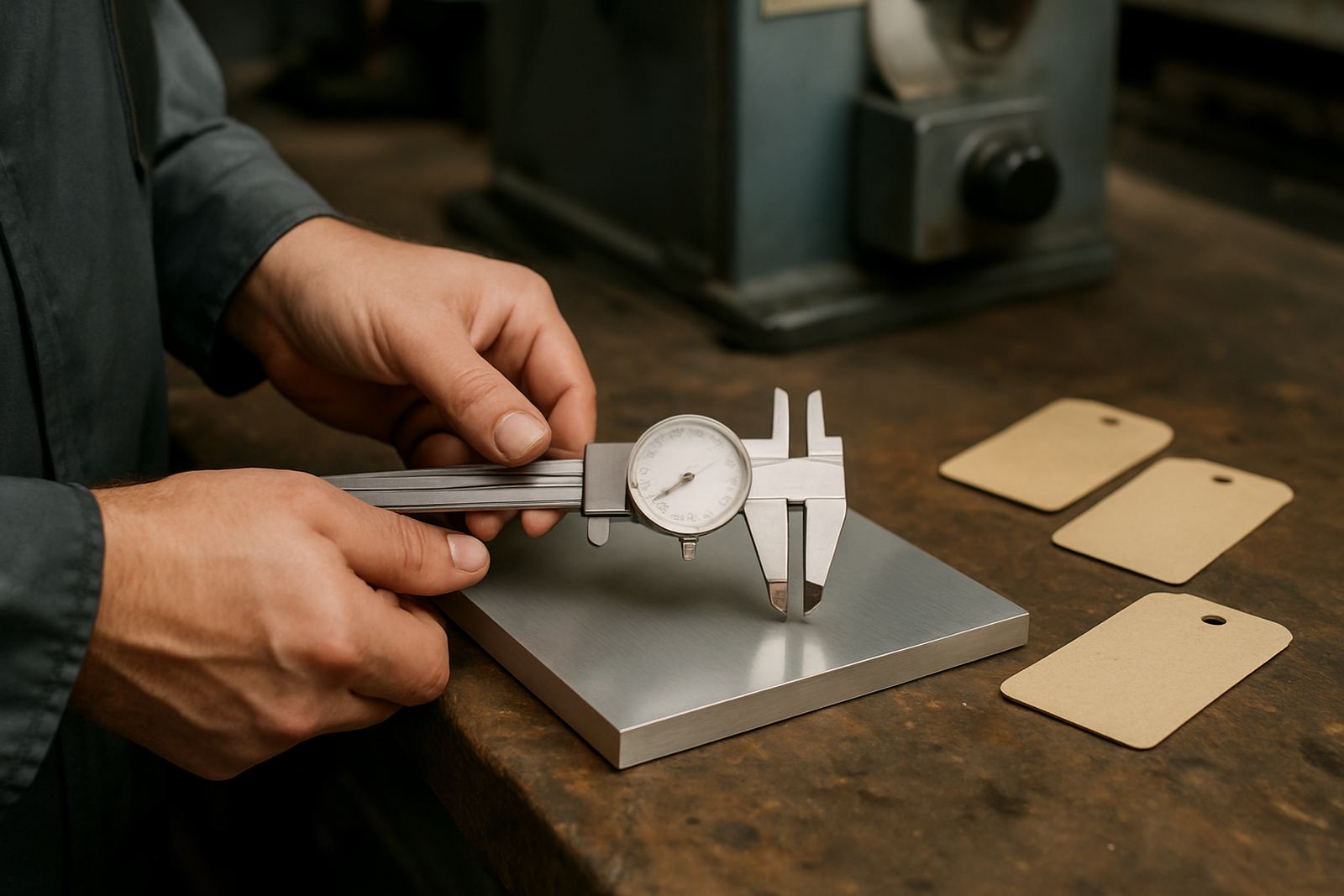
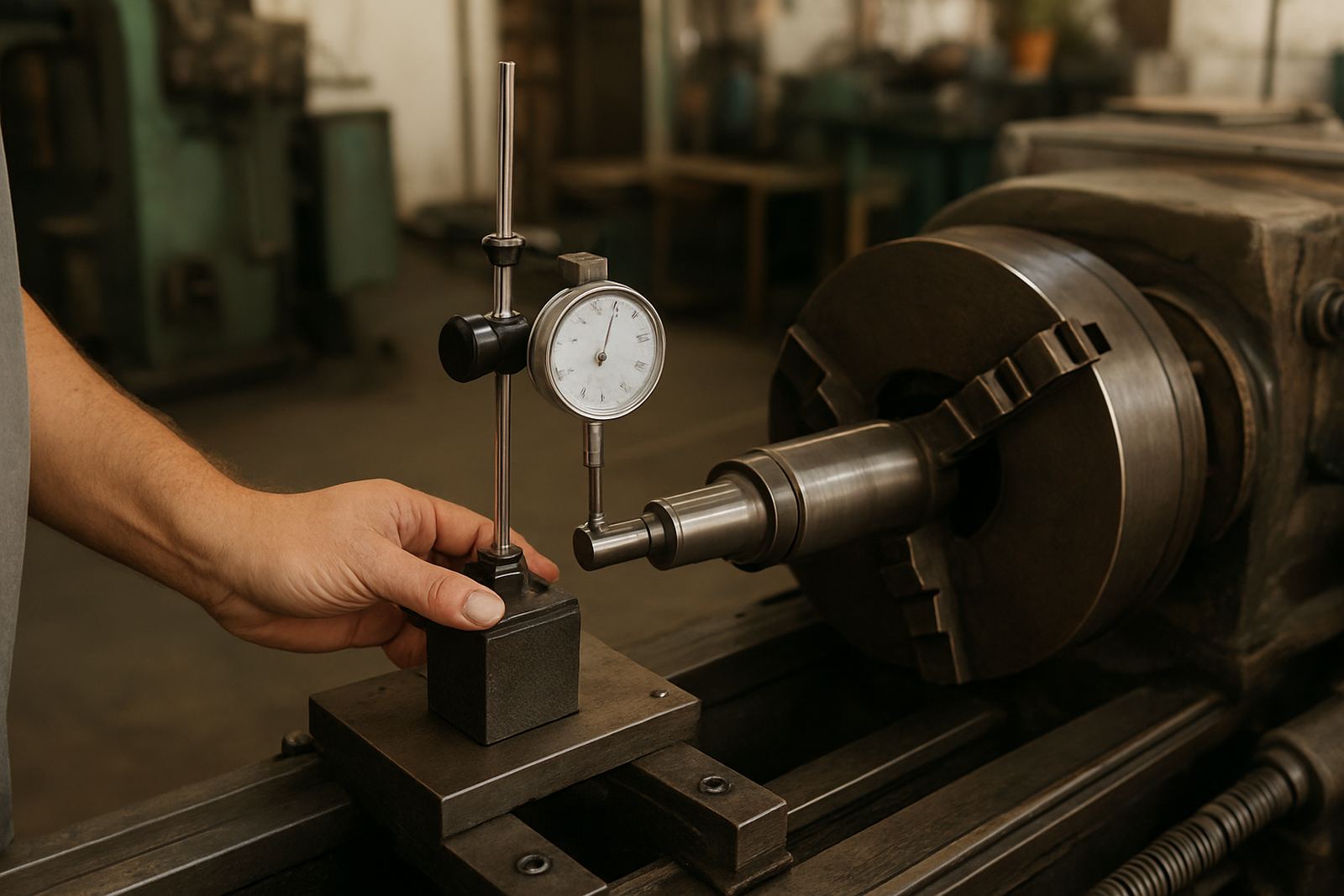
These plates are used with gauges, height gauges, dial indicators, sine bars, measuring stands and inspection accessories. They suit machine shops, toolrooms, fabrication plants, automotive suppliers and calibration rooms that need a known reference surface for repeatable results. If your team works in Isando, Kempton Park, Boksburg or Midrand, a properly installed plate can save time on rework and reduce disputes over measured dimensions.
Sizes and flatness options to match the job
Surface plates are available in several working sizes, from smaller bench plates for inspection stations through to larger plates for heavier layout work. The right size depends on component length, the space around the plate and the type of measurements your team performs most often. A compact plate is easier to position in a tight QA room, while a larger plate gives more room for long parts, jigs and multiple fixtures.
Flatness grade matters just as much as size. Higher precision plates are chosen for calibration and inspection tasks, while general workshop grades can suit layout and checking work where absolute metrology tolerances are less demanding. When ordering, it helps to think about your longest regular workpiece, the clearance needed for hands and tools, and whether the plate will be used with height gauges or only for basic marking out.
- Common working sizes can range from small bench units to large inspection plates for heavy components.
- Flatness grades are selected according to the tolerance required for your measuring task.
- Thickness and support spacing should match the plate size and the load it will carry.
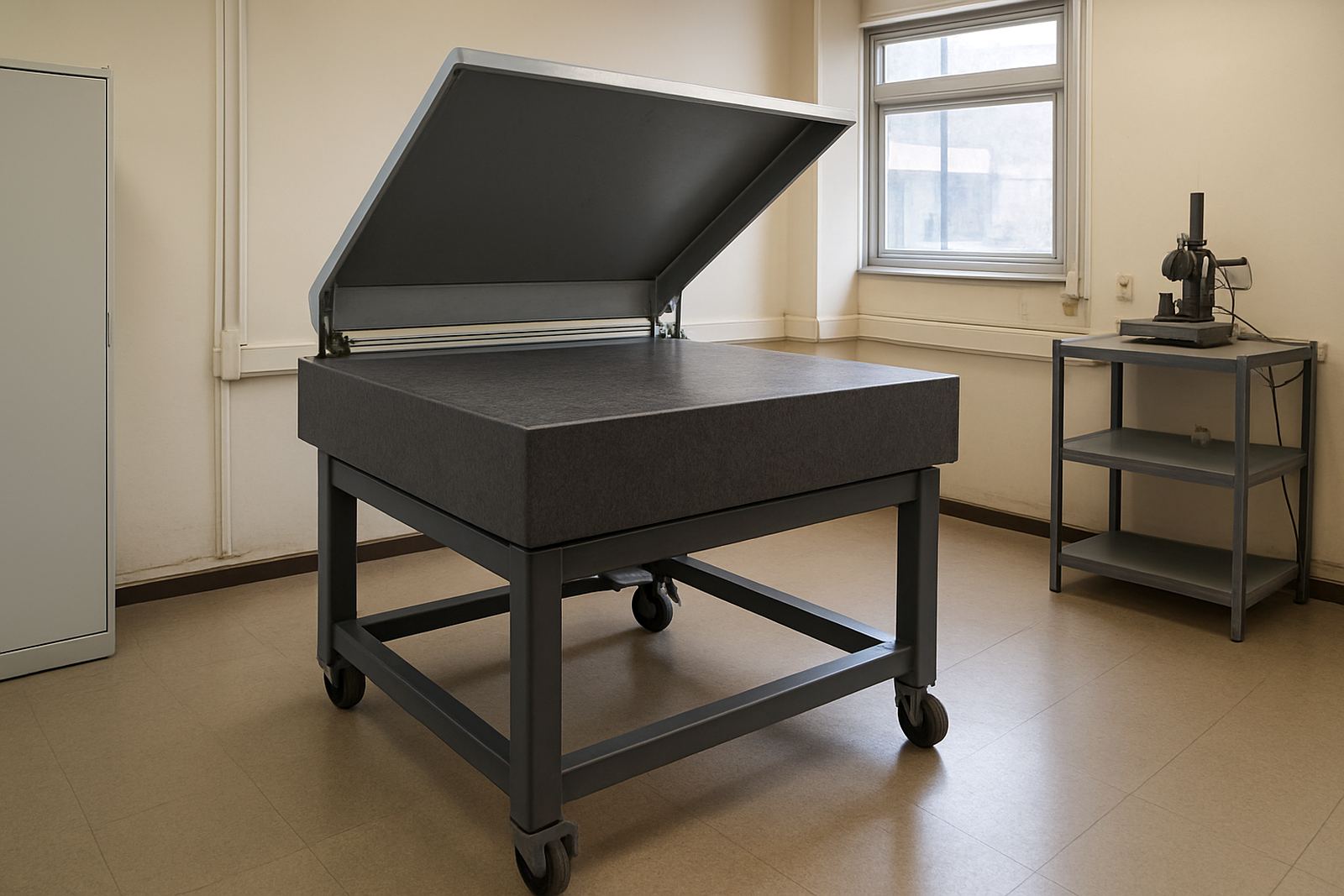
- Optional stands, cabinets and protective covers help keep the plate in service longer.
Where surface plates suit best in South African industry
Surface plates are a practical fit in engineering workshops, electronics plants, maintenance departments and calibration labs. They are often used in areas where parts are checked before assembly, where gauges need to be verified, or where a consistent reference is needed for marking out and inspection records. In places like Edenvale and Germiston, where mixed manufacturing and repair work is common, one plate may support several teams through the day.
They also suit businesses that need a clean and level measurement point away from vibration. If the floor has forklift traffic, passing presses or heavy machine movement, the plate should be placed on a suitable support stand in a quieter area. In coastal or high humidity locations, granite offers an advantage over metal tables because it is less affected by corrosion, though the surrounding environment still needs to be controlled as best as possible.
- Inspection and quality control rooms
- Toolrooms and jig setting areas
- Calibration laboratories
- Production lines with routine checking stations
- Maintenance and repair workshops
Installation, support and power needs
Most surface plates do not need power or gas to operate, which makes them easy to place in almost any workshop or lab. What matters is the support, floor condition and access around the plate. A granite plate should sit on a proper stand or support system that distributes the load evenly and reduces distortion. If it is placed directly on an uneven surface, the reading can drift and the plate may wear unevenly over time.
Before installation, check that the floor is reasonably level and away from direct sunlight, vibration and drafts from open doors or fans. In Johannesburg and surrounding industrial areas, keeping your surface plate in a quiet spot away from heavy machinery and traffic helps guard against vibration and temperature changes that can throw off your measurements. Leave enough access on all sides for safe handling and for the movement of gauges and workpieces. The plate should also be easy to clean, since grit or swarf left on the surface can scratch the granite and interfere with readings.
Care, cleaning and when to recondition
A surface plate keeps its accuracy longer when it is treated as a measuring instrument rather than a general workbench. Wipe it down before and after use with a clean lint-free cloth and a suitable cleaning fluid that will not leave residue. Remove swarf, dust, oil and coolant quickly, especially after grinding or machining work. Never strike the surface with metal objects or use it as a chopping or clamping area for rough work.
Regular checks help you catch wear early. Edge damage, local high spots, staining or a change in measurement repeatability are signs that the plate may need attention. If your plate is used every day, arrange periodic inspection and re-lapping or reconditioning when needed. Accu can assist with calibration related services so your reference surface remains fit for inspection work and your records stay in order.
- Keep the plate covered when not in use.
- Do not place hot items directly on the surface.
- Use clean supports for parts and instruments.
- Schedule periodic verification after heavy use or moving the plate.
What to check before you order a surface plate
Before you place an order, confirm the working size, the flatness grade, the expected load and the type of support frame you need. It also helps to know whether the plate will be used for inspection, layout or calibration, because that affects the grade and accessories. If the plate will be moved by courier to Kempton Park, Boksburg, Jet Park or further afield, make sure access points and handling space are suitable for the crate or pallet dimensions.
You should also check the weight of the plate, the available floor space and whether your team needs a stand, cover, levelling feet or measuring accessories. If the plate will be used with a height gauge or indicator system, confirm the plate height and edge clearance so the instrument can travel freely. For businesses that need controlled accuracy, ask about calibration certificates and the recommended interval for rechecking. A little planning at order stage saves time later and helps the plate arrive ready for proper use.
- Working size and available floor space
- Flatness grade required for the job
- Support stand, levelling and handling needs
- Calibration or verification requirements
- Courier collection or site delivery details