
What dial calipers are used for on the shop floor
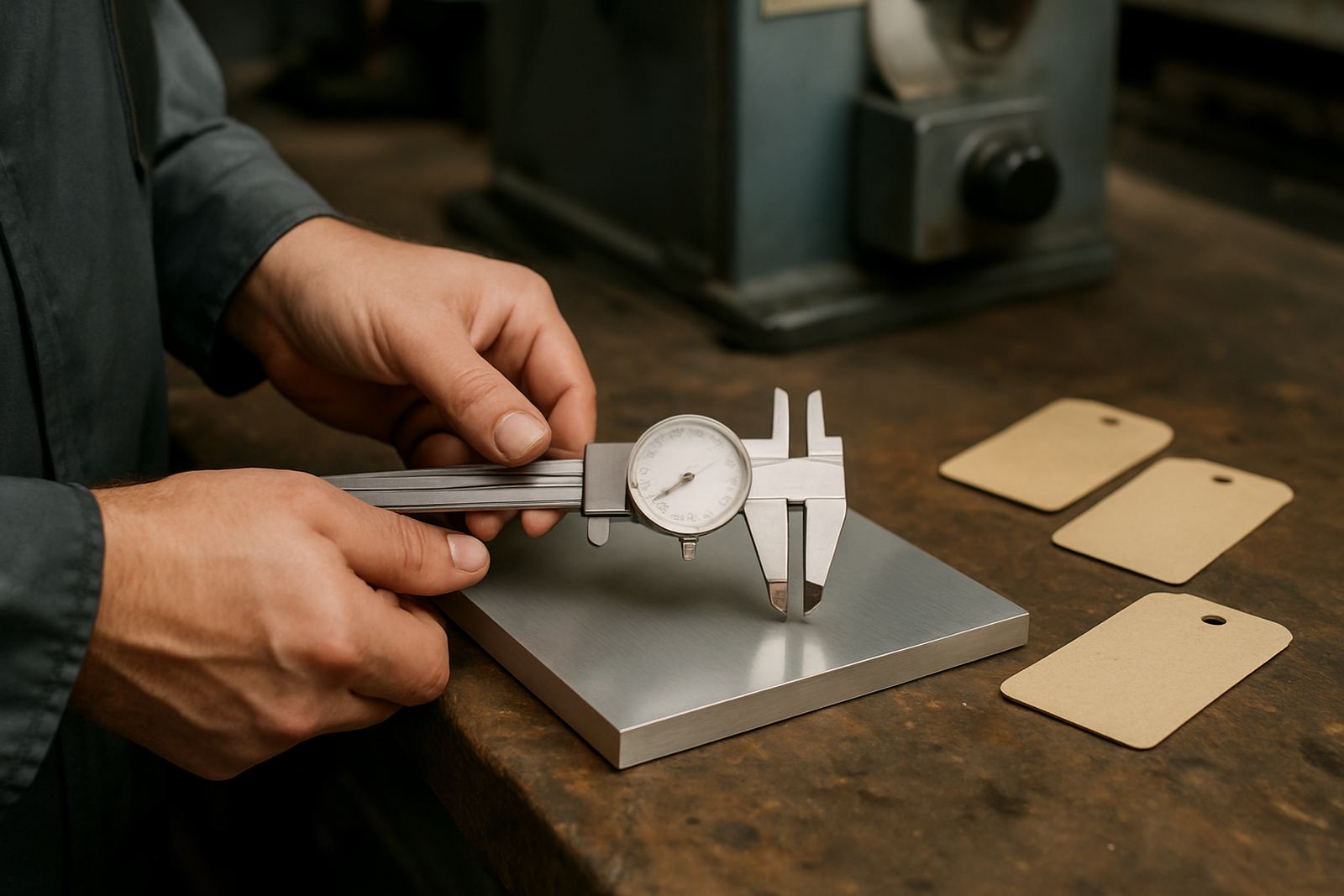
Dial calipers are precision measuring instruments used to check outside dimensions, inside dimensions, depth and step measurements. The sliding beam carries a dial indicator that gives a direct reading on a graduated face, which makes them practical for frequent checks on parts, fittings and machined components. For many users, the appeal is simple: quick measurements, easy visibility and no need for batteries during daily use.
They suit routine inspection where operators need to confirm sizes on shafts, bushings, brackets, spacers and other components without slowing production. In busy Gauteng workshops, that matters when unplanned downtime and general plant stops already put pressure on output. A dial caliper keeps working as long as it is clean, aligned and handled correctly.
Accu supplies dial calipers for engineering, manufacturing, maintenance and quality control environments. They are often chosen where analogue reading is preferred for speed and consistency, especially when the same technician measures the same part throughout a shift.
Sizes, reading ranges and dial options
The most common dial caliper size is 150 mm, with larger versions available for deeper or wider work. Selection depends on the parts you measure and the tolerance band you need to hold. For general workshop use, 150 mm is the standard choice. For fabrication, plant maintenance or toolroom work, longer ranges can be useful when components exceed the smaller jaw opening or when depth measurement is more frequent.
- 150 mm range for general purpose inspection
- 0 to 150 mm reading range with metric graduations
- Clear analogue dial for fast visual checks
- Outside jaws, inside jaws, depth rod and step measuring faces
- Stainless steel body for day-to-day handling
Depending on the job, users may also look for fine-graduation dials, smooth sliding action and a locking screw that holds the reading in place. In humid areas near the coast or in workshops with cooling mist, a corrosion-resistant finish helps protect the instrument between uses. If the caliper will move between the plant and a site vehicle, a protective case is worth including with the order.
Where dial calipers fit in South African industry
Dial calipers are common in light manufacturing, automotive repair, machine shops, electrical assembly, general maintenance and contract inspection. They are practical for teams in Isando, Kempton Park, Edenvale, Germiston, Boksburg, Jet Park, Meadowdale and Midrand where technicians need a measuring tool that is quick to read and easy to teach to new staff.
They also suit field service work where a component must be checked on site before removal or replacement. If a part is being fitted to a machine frame, a conveyor section or a fabricated assembly, the caliper can confirm dimensions without setting up heavier equipment. That is especially useful where work is done under time pressure and the next step depends on a clear measurement.
For quality control teams, dial calipers help with incoming inspection, in-process checks and final verification. They are not a substitute for every specialist gauge, but they are one of the most versatile tools in a measurement cabinet.
What to expect on setup, power and workshop conditions
Dial calipers need no electrical supply, chargers or compressed air. That makes them easy to use for fieldwork, temporary sites or stores where tools are shared and space is tight. There is no gas requirement either. The only setup is to check that the jaws close correctly, the dial returns to zero and the sliding movement is smooth without sticking.
Before first use, wipe the beam clean, open and close the jaws several times, then check the zero position against a known standard. If the instrument has been transported by courier, allow it to settle at workshop temperature before final verification. Sudden temperature changes can affect reading stability, especially when the tool moves from a hot vehicle to an air-conditioned inspection room.
- No mains power needed
- No battery or charging requirement for basic use
- No gas or air connection required
- Suitable for bench work, site work and mobile inspection kits
Care, storage and calibration checks
Good care starts with clean hands and clean workpieces. Swarf, oil and coolant can mark the beam or make the slide feel rough. After use, wipe the caliper with a dry lint-free cloth and store it in its case. In coastal humidity, keep the instrument in a dry cupboard or tool drawer, not loose on a bench where moisture can sit overnight. In dusty environments, simple discipline goes a long way.
Do not use the caliper as a clamp or scriber. Dropping it on concrete can knock the jaws out of alignment, and that often shows up later as inconsistent readings. If the dial movement feels jumpy, the pointer does not return to zero, or the jaw faces no longer meet squarely, it should be checked before further use. Regular calibration keeps measurements traceable and gives confidence when parts need to meet a drawing requirement or internal quality standard.
Accu supports calibration of measuring instruments through our lab in Isando, Kempton Park, with courier collection available nationwide. That helps businesses keep instruments in service without sending staff across town for every check.
What to check when ordering dial calipers
Before placing an order, confirm the range, graduation, jaw type and whether the instrument will be used for metric work only. If the measurement task includes deep recesses, inside diameters or frequent step checks, make sure the jaw and depth arrangement suit the job. A caliper that is too short or too coarse for the work can slow inspections and lead to rework.
- Required measuring range, usually 150 mm for general use
- Metric graduation and reading style
- Jaw length and depth rod needs
- Case requirement for storage and transport
- Whether calibration certificates are needed for internal QA records
It is also worth confirming how the tool will be used day to day. A production line team may need faster visibility and frequent checks, while a maintenance crew may need something that travels in a vehicle kit and stands up to rough handling. If the instrument will be used in a controlled quality area, a tighter inspection routine may be expected. For mixed use, order with the toughest environment in mind.
Who handles your order at Accu
Orders and enquiries are handled by a small team that understands measuring equipment and the practical realities of South African workplaces. Lebohang Motaung oversees the business, Rukshana Manuel manages operations, Bertus Swanepoel supports calibration work, Khanyisile Nxumalo assists with customer enquiries, Tshepo Radebe coordinates field service and Candice Jacobs manages quality assurance. That structure helps keep communication direct and the supply process efficient.
Use the contact page enquiry form to ask about dial calipers, calibration needs or courier collection anywhere in South Africa. From there we can help with product selection, calibration requirements and courier collection where needed. Whether you are fitting out a workshop in Boksburg, replacing worn inspection tools in Germiston or standardising measuring gear across several sites, the aim is to supply the right caliper for the job and keep it reliable over time.
Key facts
| Product type | Dial caliper |
|---|---|
| Measuring range | Typically 0 to 150 mm |
| Readout | Analogue dial display |
| Main functions | Outside, inside, depth and step measurements |
| Construction | Stainless steel measuring body with sliding beam |
| Support | Calibration service available from Isando, Kempton Park |