
What plug gauges do on the shop floor
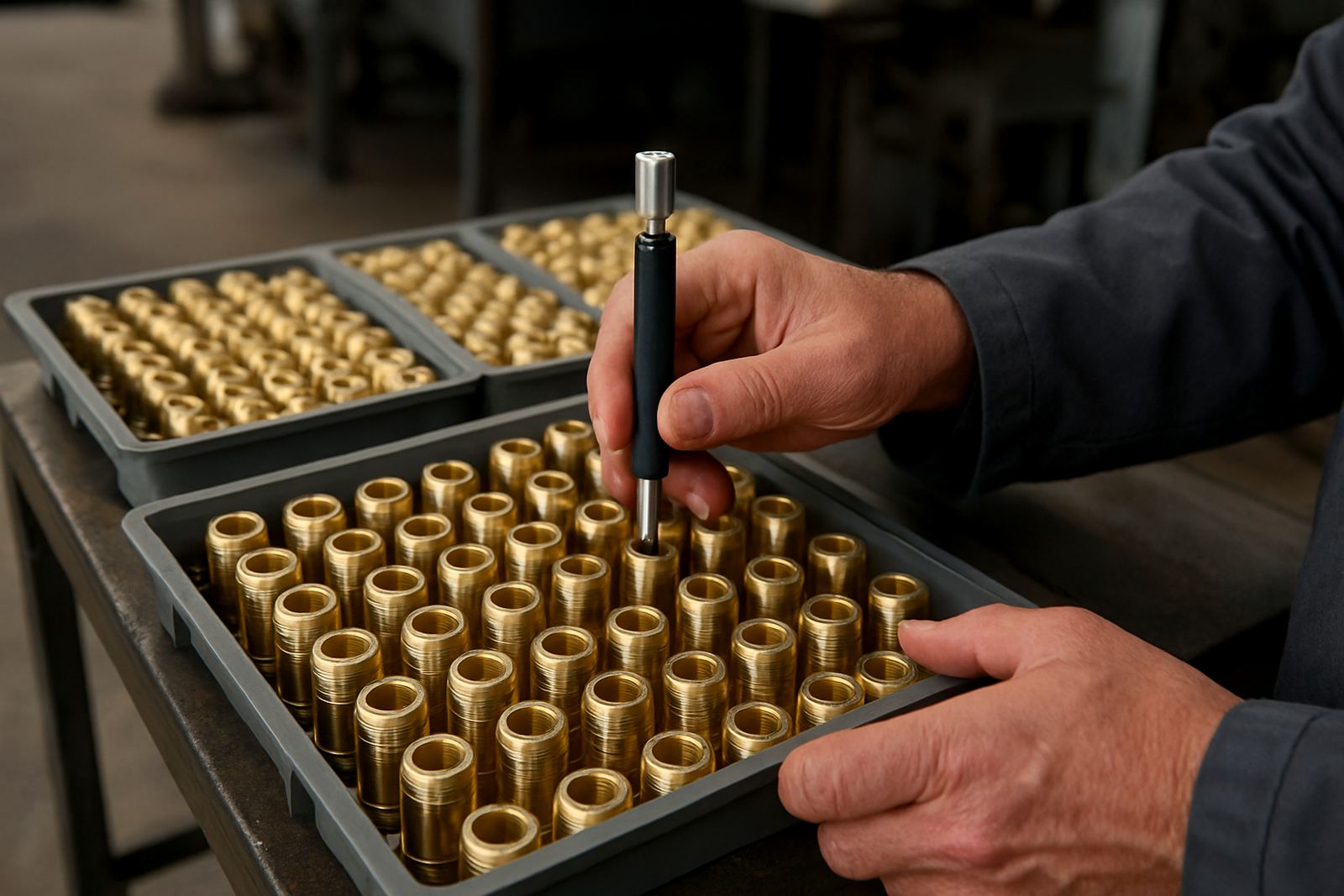
Plug gauges are simple precision tools used to confirm whether a drilled, bored or reamed hole is within tolerance. Instead of reading a dimension each time, the operator checks the hole against a go and no-go end so the answer is quick and consistent. That makes them useful where parts move through inspection fast and the same size is checked over and over.
In practice, they suit line-side inspection, incoming goods checks and final quality control on components such as bushings, machined plates, housings and fittings. They are also a practical choice when you want to reduce setup time and keep measurement results the same from one inspector to the next. For many teams, that means fewer disputes and less rework.
Sizes, tolerances and gauge options
Plug gauges are supplied to match the hole size and tolerance band required by the job. The working end is normally made to the lower limit for the go side and the upper limit for the no-go side, depending on the type of gauge and the standard being followed. Sizes can be specified in metric or imperial, and the right choice depends on the drawing, the process and the inspection method used on site.
- Single-ended gauges for one size check at a time
- Go and no-go sets for full pass or fail control
- Plain plug gauges for smooth bores
- Threaded plug gauges for internal thread checks
- Custom sizes for special jigs, fixtures or production parts
On repeat work, many buyers keep separate gauges for each critical hole size so the inspection team can work quickly without changing settings. If the part is used in automotive, electronics or general engineering, the tolerance often needs to be tight and traceable, so the gauge specification should match the drawing exactly.
Where plug gauges fit best
These gauges are suited to production environments where the same holes are checked throughout the day. They are commonly used in metal fabrication, machining, plastics, general engineering and maintenance workshops. They also work well in smaller plants that need a dependable method without complicated equipment.
- Checking machined holes after drilling or reaming
- Confirming fit before assembly
- Monitoring wear on production tools and fixtures
- Sorting parts quickly during quality inspection
- Supporting gauge control in repeated batch work
For Johannesburg and Gauteng businesses, plug gauges are the go-to option when a quick manual go or no-go check beats setting up a bench instrument, especially for field inspections. In humid coastal conditions, they are still reliable if stored and cleaned properly after use.
Installation, handling and power needs
Plug gauges do not need power, gas or special installation. They are hand tools, so the main requirement is a clean inspection area and a stable process. The hole should be free from burrs, swarf, oil build-up and damage before the gauge is used. A damaged edge can make a good part appear out of tolerance, or the other way around.
When using a plug gauge, operators should avoid forcing the tool into the hole. The gauge should enter smoothly with light hand pressure only. If a gauge is dropped, bent or used on dirty parts, the result is no longer dependable. Good handling matters because even a small nick can affect the reading on tighter tolerances.
Care, cleaning and calibration support
To keep plug gauges accurate, clean them after use and store them in a dry case or drawer. A light protective coating can help reduce corrosion, especially in coastal areas like Durban or when parts are handled in workshops with high humidity. Gauges should not be left loose in a toolbox where they can knock against other steel items.
Regular calibration and verification are important if the gauge is used for production control or customer inspection. Accu’s calibration lab in Isando, Kempton Park supports measured checks and courier collection nationwide, so businesses outside Johannesburg can still keep their inspection equipment in order. If a gauge no longer matches the required size, it should be removed from service until it has been checked.
- Wipe clean after every shift
- Store in a dry, padded case
- Keep away from grinding dust and moisture
- Check for wear, chips and scoring
- Schedule periodic calibration against the required tolerance
What to check before ordering
Before ordering plug gauges, it helps to confirm the exact hole size on the drawing, the tolerance class, whether the check is plain or threaded, and whether you need one side or a complete go and no-go set. If the part has been revised recently, make sure the latest drawing is being used. A small mismatch can cause unnecessary rejects, and that costs time on the shop floor.
It is also worth checking the material and finish required for your environment. Some applications need better wear resistance for high-volume use, while others need extra protection against rust or contamination. If the gauge will be used in Germiston, Boksburg, Jet Park or Meadowdale production sites, think about how often it will be handled and whether it must be stored near oily machinery or in a cleaner inspection room.
- Exact hole size and tolerance
- Plain or threaded application
- Metric or imperial specification
- Single gauge or go/no-go set
- Quantity needed for line use and spares
- Calibration or verification requirement
Accu support for inspection teams in Gauteng and beyond
Accu works with engineers, manufacturers and technicians who need dependable measuring tools and traceable calibration support. Based in Isando, Kempton Park, the team serves surrounding industrial areas including Edenvale, Germiston, Boksburg, Jet Park and Midrand, with courier collection available nationwide for customers farther afield.
If you need plug gauges for repetitive inspection tasks, or you want to keep existing gauges in check through calibration, our team can help you match the right specification to the job. We understand that production environments need practical answers, not guesswork, and that measurements must hold up during audits, customer inspections and day-to-day use.
Key facts
| Product type | Precision plug gauges for hole size checking |
|---|---|
| Measurement method | Pass or fail go and no-go assessment |
| Typical use | Repeated inspection of drilled, bored and reamed holes |
| Size range | Available to suit specified metric or imperial hole sizes |
| Options | Plain, threaded, single-ended and go/no-go sets |
| Support | Calibration services with courier collection nationwide |