
What digital levels do on site and in the workshop
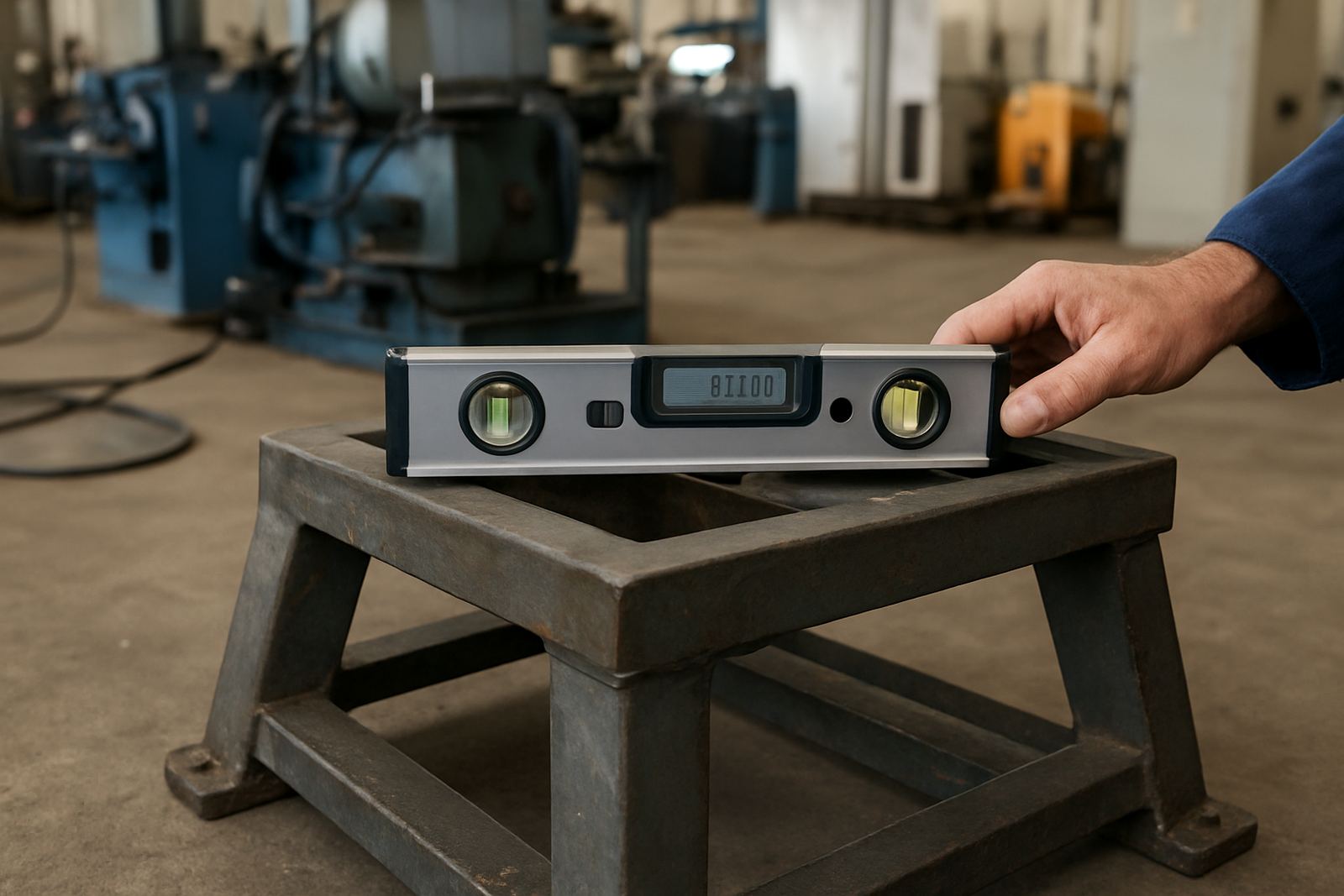
Digital levels are used to check angle, slope and flatness with more confidence than a plain bubble reading. On machine bases, conveyor frames, racking, switchgear stands and structural steel, they help technicians confirm that a surface is level or tilted to a set value before bolts are fully tightened.
In South African plants, especially where humidity, dust and vibration are part of daily work, a digital level gives a clear numeric display that is easier to read during quick inspections. It is useful for installers, fitters, millwrights and maintenance teams that need repeatable results when setting up equipment in Isando, Kempton Park, Germiston or on customer sites further afield.
Sizes, ranges and display options to consider
Digital levels are commonly supplied in compact and extended lengths, depending on the job. Shorter units are easier to carry in a tool bag and suit small machines, panels and benches. Longer bodies give better contact over wider spans, which helps when checking machine beds, long beams and floor plates.
- Common lengths: 200 mm, 300 mm, 500 mm and 1000 mm
- Typical reading modes: degrees, percent slope, mm/m and in/ft
- Resolution: often 0.01 degrees or finer depending on the unit
- Accuracy: usually stated as a tolerance per metre or per angle range
- Display: backlit LCD for low-light plant rooms or night use
Some models include magnetic bases for steel surfaces, while others use a flat precision base for non-magnetic work. If the level will be used around machines with guards, vibration or oily surfaces, the base finish and grip matter just as much as the display size.
Where digital levels fit best in South African industry
These instruments suit any job where a small change in angle affects performance or safety. On installation work they are used for levelling machines, aligning conveyor sections, checking pipe runs and setting fall on drainage or service trays. In fabrication they help confirm that frames are square and that base plates are sitting correctly before final welding.
They are also handy for building work, solar mounting, panel installation and municipal maintenance where a slope must be measured rather than guessed. For coastal sites, the body finish and storage case should resist corrosion from salty air. In inland areas like Midrand and Boksburg, dust protection and shock resistance are often the bigger concern.
- Machine installation and commissioning
- Steelwork, fabrication and maintenance
- Panel, rack and switchboard alignment
- Drainage falls and service slope checks
Power needs, working conditions and practical installation notes
Digital levels are generally battery powered, so there is no gas supply or fixed power connection needed. That makes them a good choice for mobile teams and places where benches are crowded or equipment is moved often. Check the battery type before ordering and keep spares in the van or tool cabinet so the instrument stays ready for urgent call-outs.
For site use, avoid exposing the unit to coolant splash, grinding swarf or heavy rain unless the ingress rating is suitable. A clean, dry contact surface gives the best reading. If the base is magnetised, make sure the workpiece is steel and free of thick paint, scale or loose rust that could affect contact. Where the instrument will be used on vibrating machinery, let the reading settle before taking a final measurement.
Care, storage and calibration support
Like any precision instrument, a digital level should be treated as a measuring tool first and a site aid second. Wipe the base with a soft cloth after use, keep the display and buttons free of oil, and store it in its case when not in service. Do not leave it in direct sun inside a bakkie or on the back seat for long periods, since heat can affect the battery and internal electronics.
For companies that need traceable accuracy, regular calibration is important. Accu supports calibration services from our Isando, Kempton Park base and can assist customers who send instruments in by courier from around the country. If a level is used daily on installation work, a calibration interval should be set according to workload, handling and the consequences of a bad reading. If a unit is dropped, check it again before use, even if it still powers on.
What to verify before ordering a digital level
Before you choose a digital level, confirm the application, the surface type and the accuracy needed. A short instrument may be ideal for cabinet work, while a longer one is better for frames and long members. If the work is outdoors or near coastal humidity, ask for a model with suitable protection and a case that can handle transport between jobs.
- Required length and measuring range
- Preferred units of measure
- Accuracy and resolution needed for the task
- Magnetic base or plain base
- Battery type and expected operating time
- Need for calibration certificate or routine re-checks
If you are working across Isando, Edenvale, Jet Park or Meadowdale, or sending equipment in from elsewhere in South Africa, the enquiry form on our contact page is the best place to start. We can help you match the level to the job so you do not end up with an instrument that is too short, too coarse or simply harder to use than it should be.
Key facts
| Product type | Digital level for angle, slope and flatness checks |
|---|---|
| Common lengths | 200 mm, 300 mm, 500 mm, 1000 mm |
| Readout | LCD display with degree and slope modes |
| Typical resolution | 0.01 degrees, depending on model |
| Power | Battery operated for mobile use |
| Use environment | Workshop, plant room, site work and installation jobs |