
Project brief for a contractor running multiple teams
The client was a service contractor based in Sandton, with teams moving between office parks, plant rooms and occupied sites across Johannesburg. Their main requirement was simple on paper but demanding in practice: keep the electrical test kit accurate enough for fault finding, commissioning and sign-off work, while avoiding delays to crews already under pressure.
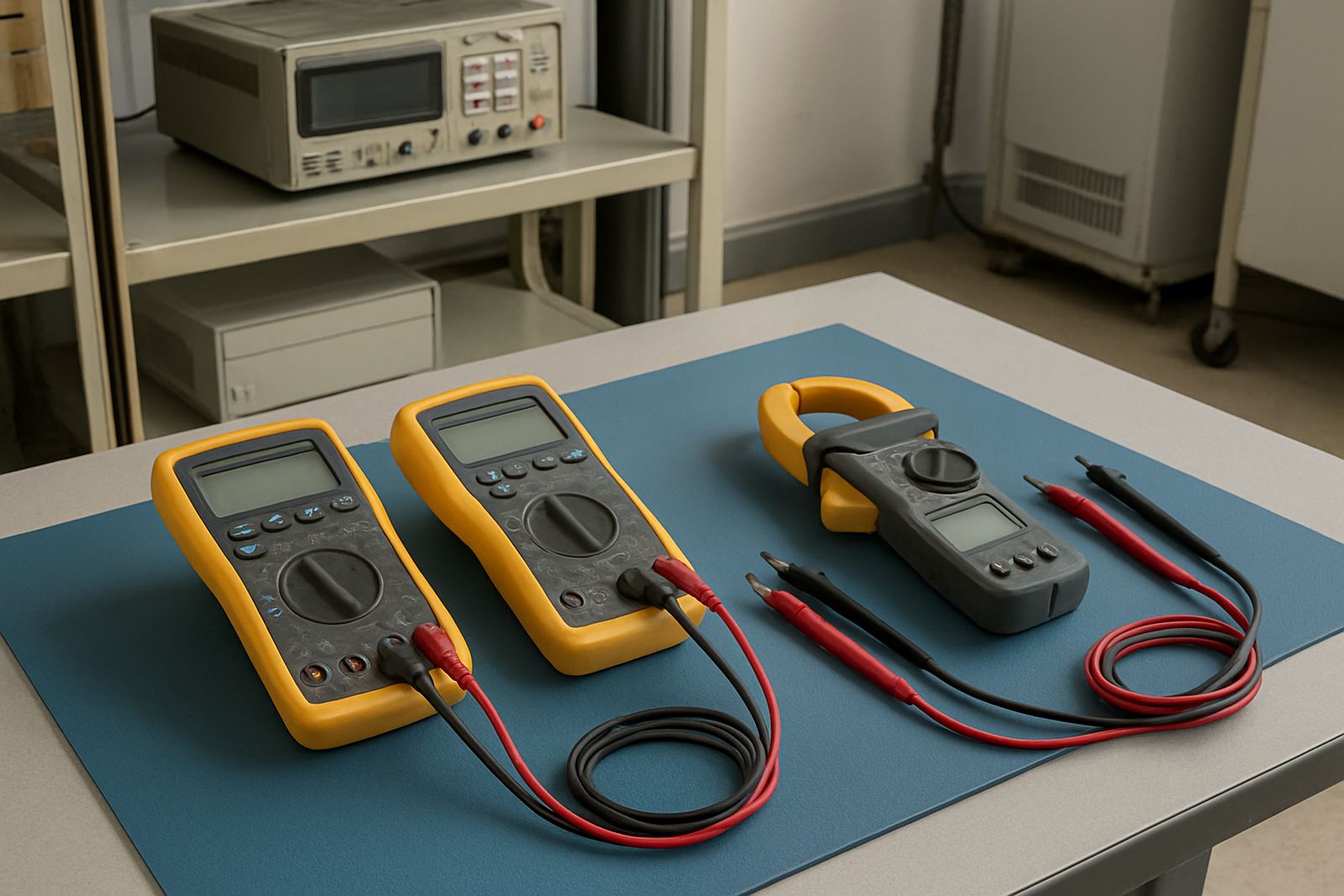
The brief covered mixed equipment used by electricians and supervisors. That included multimeters, clamp metres, insulation testers, continuity testers, voltage indicators and a small number of temperature-related instruments used during maintenance checks. The contractor needed calibration records that could stand up to client audits and site compliance reviews, plus equipment returned in a sensible order so the field teams did not lose track of what was ready to use.
They also needed a process that worked around project pressure. Some instruments were in the van, some at the office in Sandton, and some moved between sites in Bryanston, Rivonia and the wider Midrand corridor. So the job had to be organised, traceable and quick without cutting corners.
What made this calibration job difficult
Electrical test gear used in contractor work tends to take more abuse than office-based instruments. Leads get bent in bakkie drawers, rotary switches collect dust, and metres can drift after repeated site use. In Gauteng, the mix of summer heat, dust and occasional moisture from rain or washdown areas adds another layer of wear. The client needed us to account for that rather than just do a box-tick check.
There was also the question of downtime. Several crews were working on live project schedules with service calls booked days in advance. If even a few key metres were out for too long, the contractor risked delayed testing, missed handover dates and duplicate site visits. So our planning had to balance turnaround, calibration depth and the order in which equipment came back into circulation.
- Mixed instrument set with different calibration intervals
- Need for traceable records for audit files and handover packs
- Minimal downtime for active field teams
- Courier collection from Sandton with return to the same channel
- Equipment used in site conditions, not a clean bench only environment
Our collection and calibration process
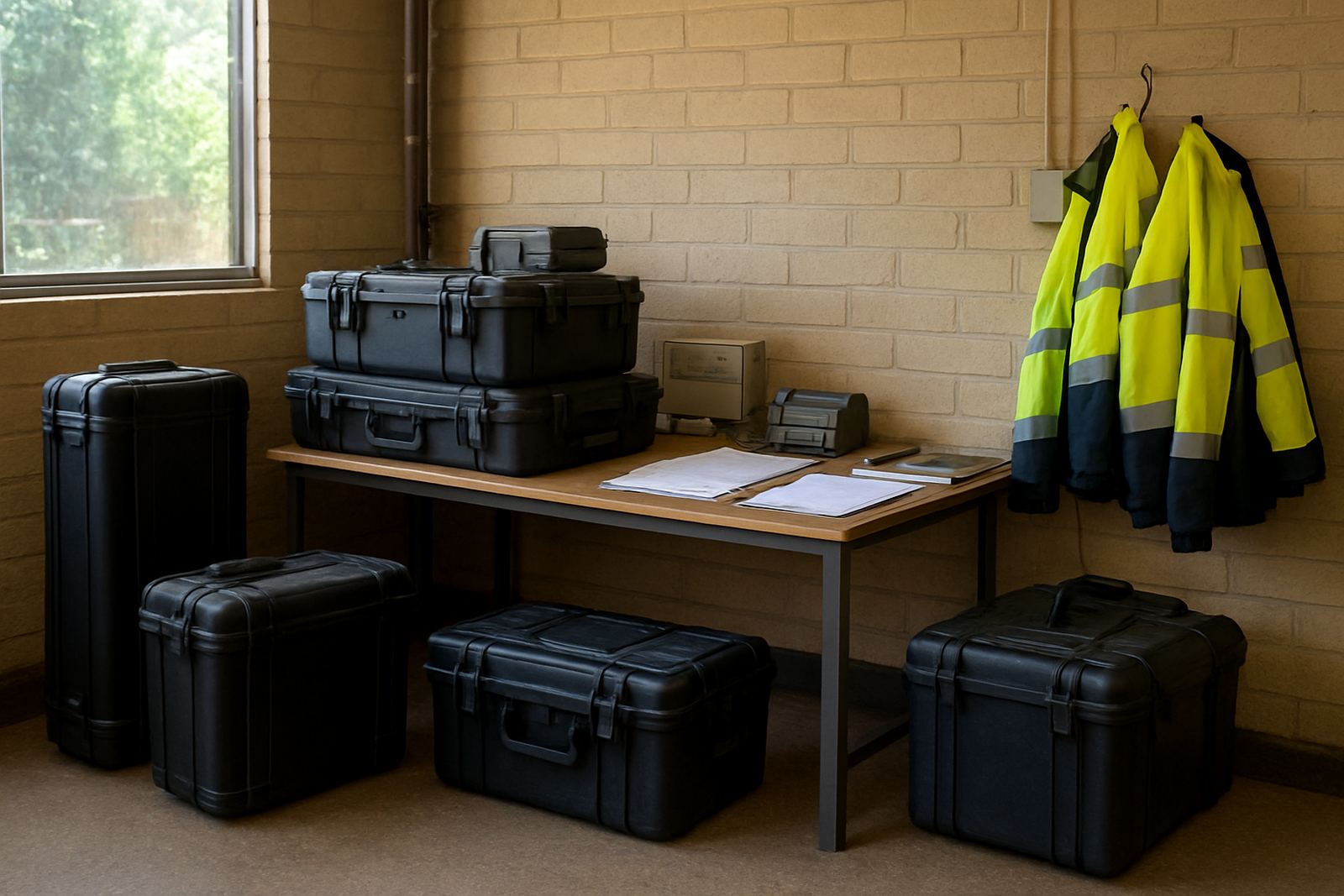
We arranged courier collection from the Sandton office and received the instruments at our calibration lab in Isando, Kempton Park. Once received, each item was logged, checked for visible damage, and matched against the contractor’s list so that nothing was missed. That was important because the team had several instruments with similar model formats and the wrong metre in the wrong van can create confusion fast.
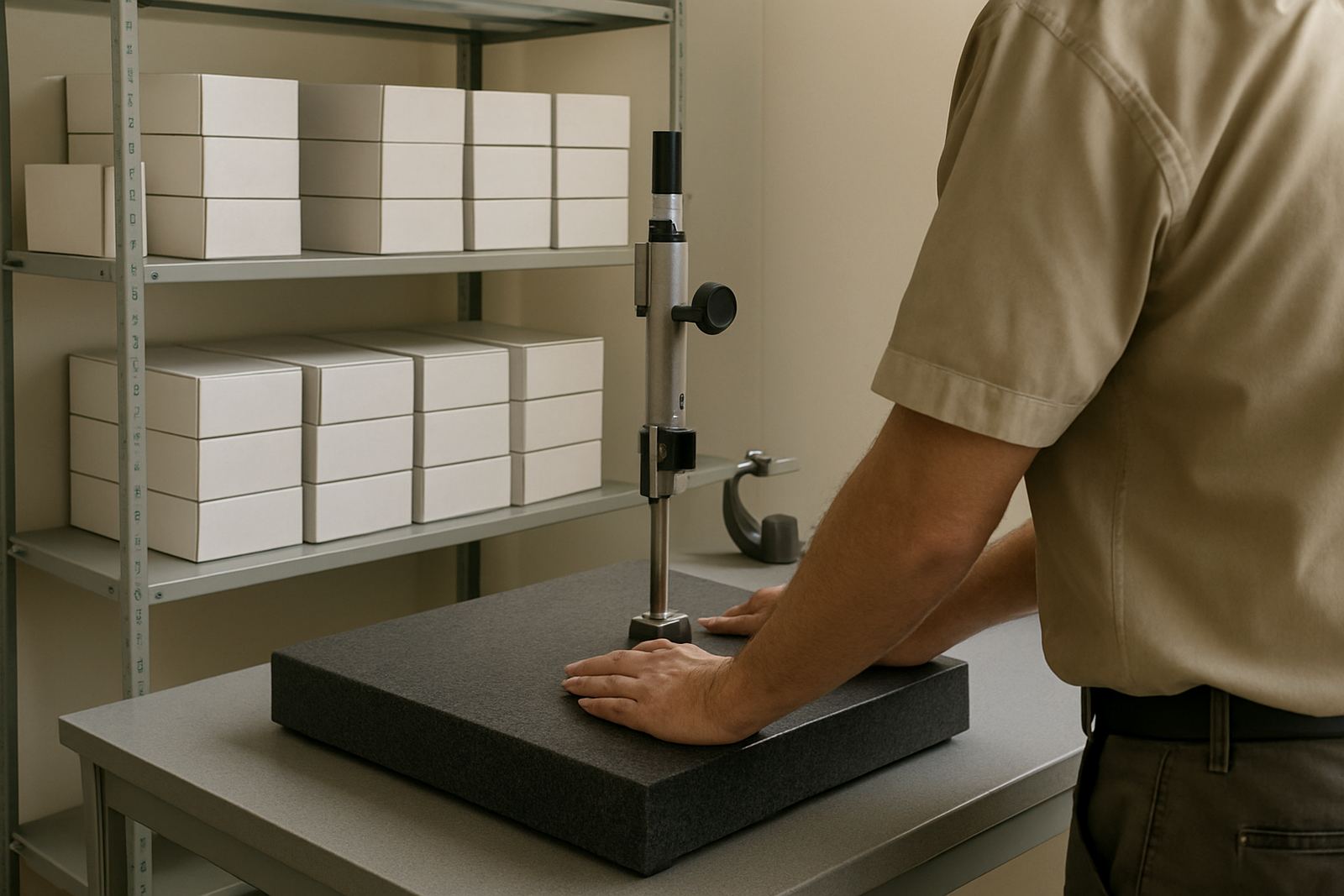
We then carried out calibration against appropriate reference standards for each instrument type. For electrical test gear this meant verifying readings across the expected working range, not just at one point. We checked metre function, display stability, lead condition where relevant, and the basic operation of switches and selectors. If an item showed drift or inconsistent readings, we flagged it clearly so the client could decide whether to keep it in service, repair it or replace it.
The calibration pack included identification marking, results captured per instrument, and a status note for anything outside tolerance. The client asked for easy sorting on return, so we grouped equipment by team use where possible. That made it simpler for supervisors to reissue metres to the right crew without spending half a morning matching serial numbers.
Equipment covered and key facts
The project covered a practical mix of hand-held electrical test equipment rather than a narrow single-tool batch. The contractor wanted confidence in both general fault-finding and more detailed site verification work, so we calibrated the instruments that mattered most to daily operations.
- Digital multimeters for voltage, resistance and continuity checks
- Clamp metres for current measurement on live circuits
- Insulation testers for cable and motor checks
- Continuity testers and voltage indicators for installation work
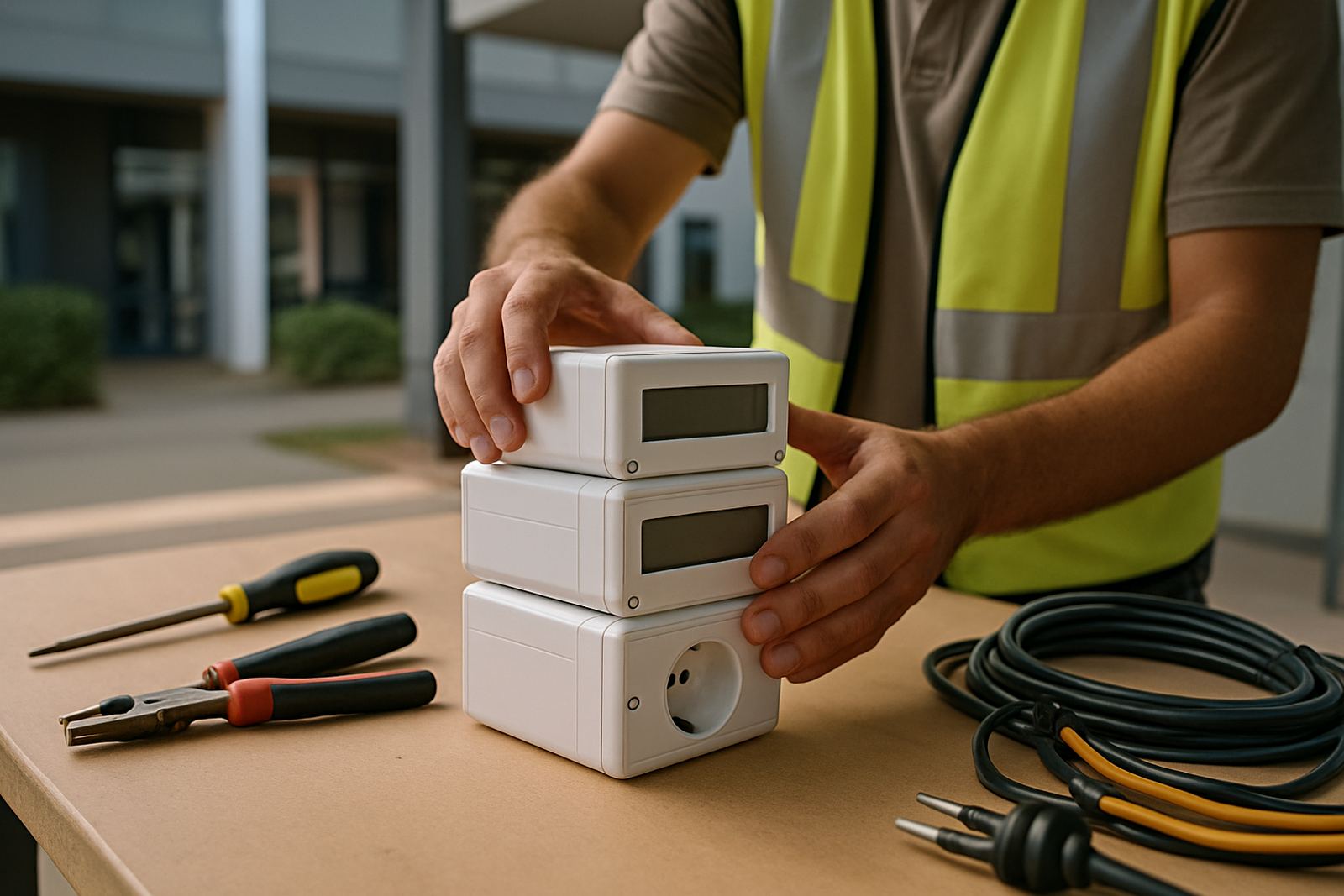
- Temperature instruments used for maintenance and commissioning support
- Where required, associated leads and accessories were checked for obvious faults before return
Most of the items were compact, battery-powered tools used on fast-moving sites, so the process also had to consider practical field use. A metre that passes on paper but is awkward to read or physically damaged is not much use on a ladder or in a crowded electrical riser. We treated the job with that reality in mind.
Timeline, turnaround and project control
The full job was completed over two weeks from collection to return. Week one covered collection, intake logging and the main calibration work. Week two covered final checks, documentation and courier return. That schedule gave the client enough breathing room to keep a smaller pool of metres in circulation while the main batch was being processed.
Because the contractor managed multiple teams, timing mattered as much as technical accuracy. We kept communication direct and practical through the enquiry channel and confirmed the return batch before dispatch. If a site team needed a particular item urgently, we could prioritise that within the lab queue rather than treating the whole batch as one block.
- Week 1: courier collection, intake and calibration work
- Week 2: final verification, documentation and return dispatch
- Traceability maintained from collection to handover
- Return arranged to suit the client’s Sandton office routine
Results for the Sandton team
The main result was straightforward: the contractor regained confidence in the readings used for site work, testing and sign-off. That reduced the risk of rework caused by inaccurate instruments and gave supervisors a cleaner basis for allocating equipment across project teams. The calibration records also made audits easier because each item had a clear status and a documented history for the period in question.
There was a practical benefit too. With the kit sorted and returned in a structured way, the office team spent less time chasing missing metres or wondering whether an instrument had already gone out on another job. In a business running several project crews at once, that sort of order saves real time. It also helps when you need to keep schedules tight due to limited site access and set working hours.
The client said the process suited the way they operate: quick intake, clear labels, no confusion on return and no unnecessary delay. That is exactly the kind of outcome we aim for when a contractor depends on measurement tools every day.
What we would repeat on the next contractor job
We would handle the next project in much the same way. Start with a clear intake list, collect all instruments in one batch where possible, and separate the items by team or site use before return. For contractor clients, that simple structure is often better than a complicated system because it keeps the workflow moving and cuts down on admin noise.
For a similar Sandton or Johannesburg contractor, we would again recommend early booking ahead of planned shutdowns, commissioning windows or month-end compliance work. If the tools are used across several sites, it also helps to plan calibration in line with the real rotation of the kit rather than waiting until every item is due at once. That reduces pressure on both the lab and the field teams, and it keeps the project moving with fewer interruptions.
Accu works from Isando, Kempton Park and supports clients across Johannesburg, including Sandton, Edenvale, Germiston, Boksburg, Jet Park and Midrand, with courier collection nationwide. For contractors who need proper records and dependable turnaround, that combination makes the process simpler from start to finish.
Key facts
| Client type | Service contractor managing multiple project teams |
|---|---|
| Location | Sandton, Johannesburg |
| Project duration | 2 weeks |
| Primary equipment | Multimeters, clamp metres, insulation testers, continuity testers, voltage indicators |
| Service method | Courier collection to our Isando calibration lab and return after calibration |
| Outcome | Accurate readings, clear traceability and faster reissue to field teams |