
What the Randburg lab needed from us
The client was a private technical laboratory in Randburg handling routine environmental monitoring for quality control and compliance work. Their main concern was not only accuracy, but proof. They needed instruments calibrated with clear records that could be filed against asset numbers, date codes and internal review schedules. The lab had a mix of handheld metres and fixed-site monitoring devices, and some were being used in areas where temperature swing and dust from nearby workshop spaces could affect readings. That meant we had to be strict on method, traceability and the condition of each unit on arrival.
The brief was simple on the surface: calibrate the instruments, document the findings and return them ready for service. In practice, the job needed a careful intake process because the lab could not afford downtime during their busiest week. They also wanted courier collection from Randburg rather than having their staff drive across Johannesburg, which made planning easier for them and for us.
- Client type: technical laboratory supporting environmental monitoring
- Town: Randburg, Johannesburg
- Requirement: calibration with documented records for audit use
- Collection method: courier pickup and return
Instrument mix and the tolerance checks
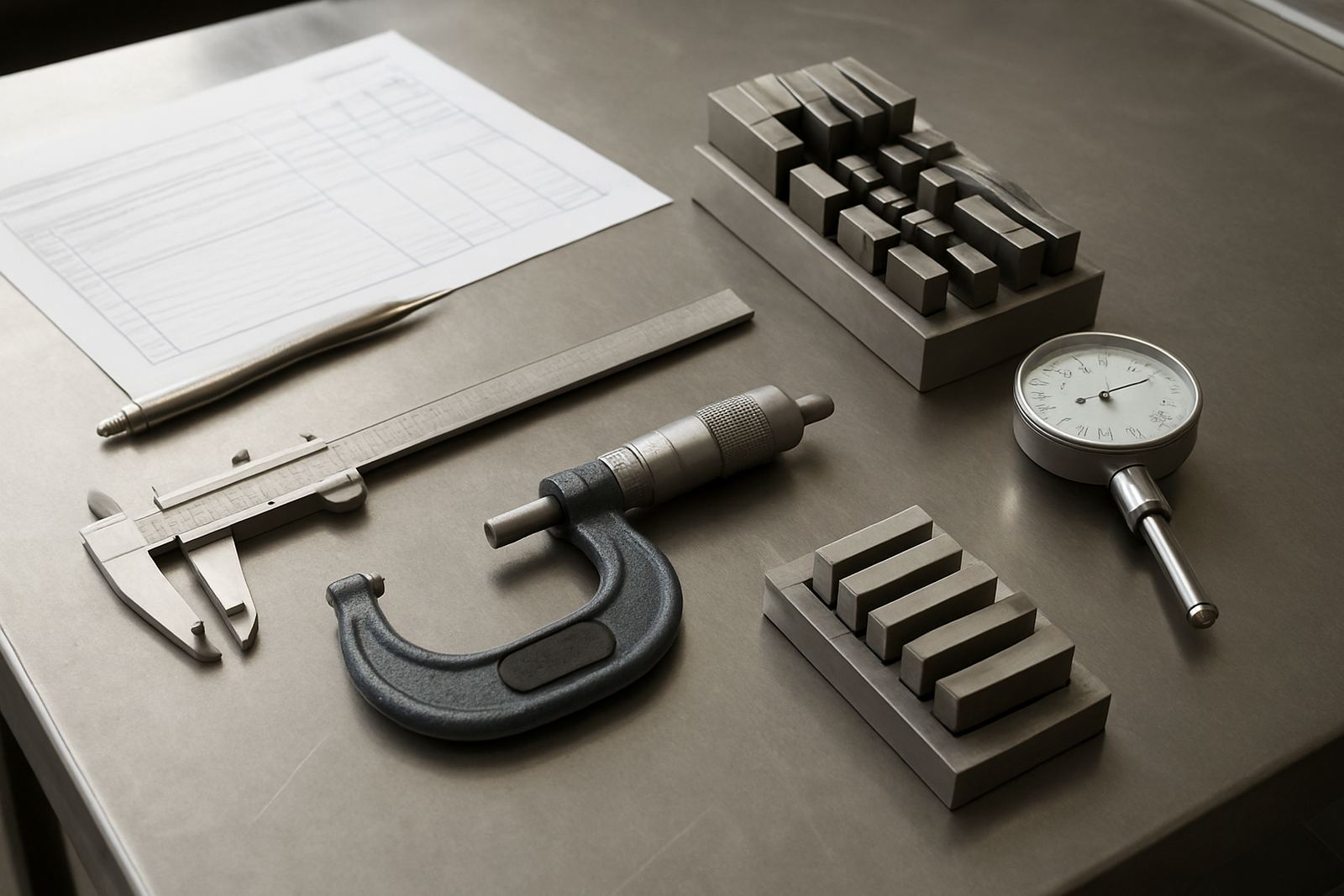
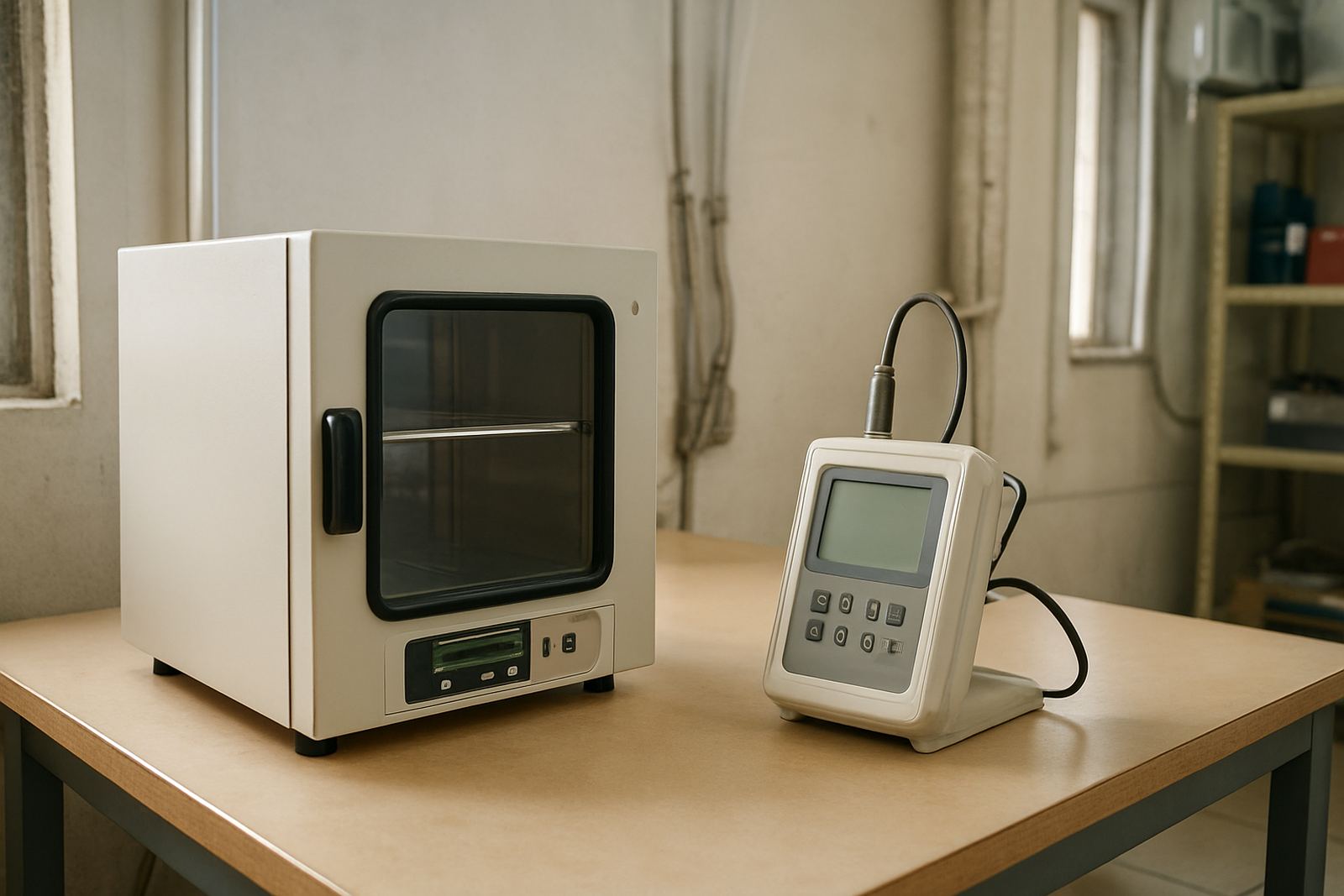
The pack included environmental monitoring instruments used for temperature, humidity and general condition tracking, along with a few supporting test tools that the lab used to verify readings on site. Because the instruments were being used in a technical setting, we treated each item as part of a measurement chain rather than as a single isolated tool. That matters when records need to stand up to internal review or a client audit.
We checked each item against its stated range and looked at repeatability, drift and any visible signs of wear. Some units were in good order and only needed minor adjustment. Others needed a full calibration cycle and a note on condition, especially where seals, probes or display stability showed signs of age. The lab wanted practical answers, not vague wording, so we kept the notes direct and easy to file.
- Temperature monitoring units for controlled areas
- Humidity monitors used in store rooms and test bays
- Reference and verification tools used by technicians
- Asset labels matched to each calibration record
Collection, lab work and documented returns
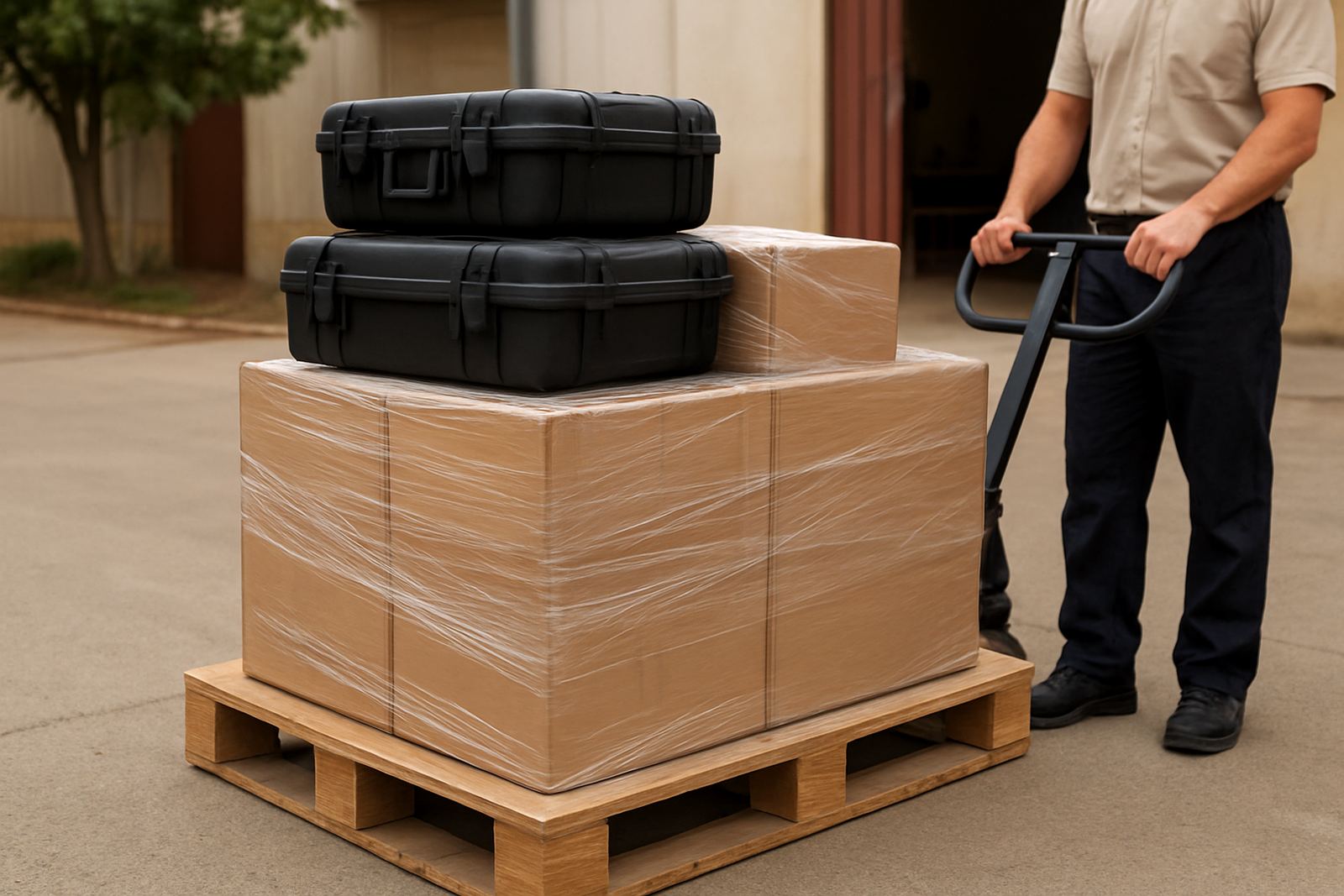
We arranged courier collection from Randburg and brought the instruments back to our calibration lab in the East Rand. That saved the client time and reduced the risk of instruments being handled between departments. On receipt, each item was logged, visually inspected and cross-checked against the collection note. We then moved through the calibration sequence one by one so there was no confusion later if the lab queried a result.
The work was done in a controlled environment with stable conditions so readings would not be affected by heat or humidity swings, which can be a problem during summer afternoons in Gauteng. Where needed, we also checked battery condition and display behaviour because a good reading is only useful if the unit stays consistent through a full shift. The final pack included documented readings, pass or fail status, and remarks where an item needed service before its next use. No drama, just clear facts.
- Courier collection from Randburg and return after completion
- Intake logging against each instrument serial and asset number
- Controlled calibration checks in the lab
- Written records for internal quality files
Timeline and how the job was sequenced
The full job ran over two weeks from first collection to return delivery. Week one covered pickup, intake, bench testing and the main calibration work. Week two was used for final verification, paperwork, and packing the instruments for return. That schedule suited the client because it kept the units out of circulation for the shortest practical time while still allowing us to work through the set in a proper order.
We did not rush the paperwork at the end. For a laboratory, the value is not only in the calibration itself but in being able to show when it happened, what was checked, and what the result was. That is what makes future audits easier. A rushed note with gaps can cause more trouble later than a unit that was out for an extra day.
- Week 1: courier collection, logging, calibration and condition checks
- Week 2: verification, record finalisation and return courier
- Total elapsed time: 2 weeks
- Client downtime: kept low by sequencing the return in one batch
Results for the laboratory team
The client received instruments back with clear calibration records and a cleaner handle on asset status. Items that were within tolerance were marked accordingly, and units showing drift or wear were flagged so the lab could decide whether to retire them, send them for repair, or keep them in non-critical use. That kind of clarity helps a technical team avoid using a marginal instrument on an important reading.
They also appreciated that the paperwork was easy to match to each item. That sounds basic, but in a busy lab it saves time every month. The supervisor told us the return pack made internal checks simpler and reduced the back-and-forth that normally happens when records are incomplete. From our side, the job showed again that a straightforward process, done properly, still matters more than fancy wording.
What we would do again on the next Randburg job
We would follow the same sequence again: collect by courier, log every item on arrival, calibrate in a controlled lab, and return with records that can be filed immediately. For a Randburg laboratory this approach works well because it respects both time pressure and compliance needs. If the client adds more humidity or temperature devices later, we would also recommend setting a regular calibration cycle so the lab is not left with a yearly backlog.
We would also ask for any site conditions that may affect instrument life, such as proximity to extraction fans, washdown areas or temperature swings near loading bays. Those details help us advise on recheck intervals and storage. In Johannesburg, where dust and heavy traffic can disrupt day-to-day work, a well-planned inspection routine is often more valuable than waiting for a fault to show up.
Key facts
| Project town | Randburg, Johannesburg |
|---|---|
| Client type | Technical laboratory |
| Turnaround | 2 weeks |
| Collection method | Courier collection nationwide |
| Main instruments | Temperature and humidity monitoring units |
| Documentation | Calibration records with asset matching |
| Lab base | Isando, Kempton Park |