
Brakpan maintenance brief and site demands
The main constraints were practical ones. Some of the instruments had been in regular use on dusty sites and a few had been handled in warm, busy workshops where dust and vibration can affect performance over time. We also had to fit in with the client's own schedule, so collection and return had to be planned carefully.
Another factor was continuity. The contractor could not afford to send every instrument away at once. We staggered the intake so that they could keep a working set on hand while the balance was tested. That helped them keep their maintenance crews moving, especially on jobs where a waiting day means lost labour and a delayed shutdown.
- Collected in a managed batch rather than all at once
- Return arranged to suit the client's job schedule
- Instruments received with usage history noted by the team
- Checks carried out against suitable reference standards
What we calibrated and how it was handled
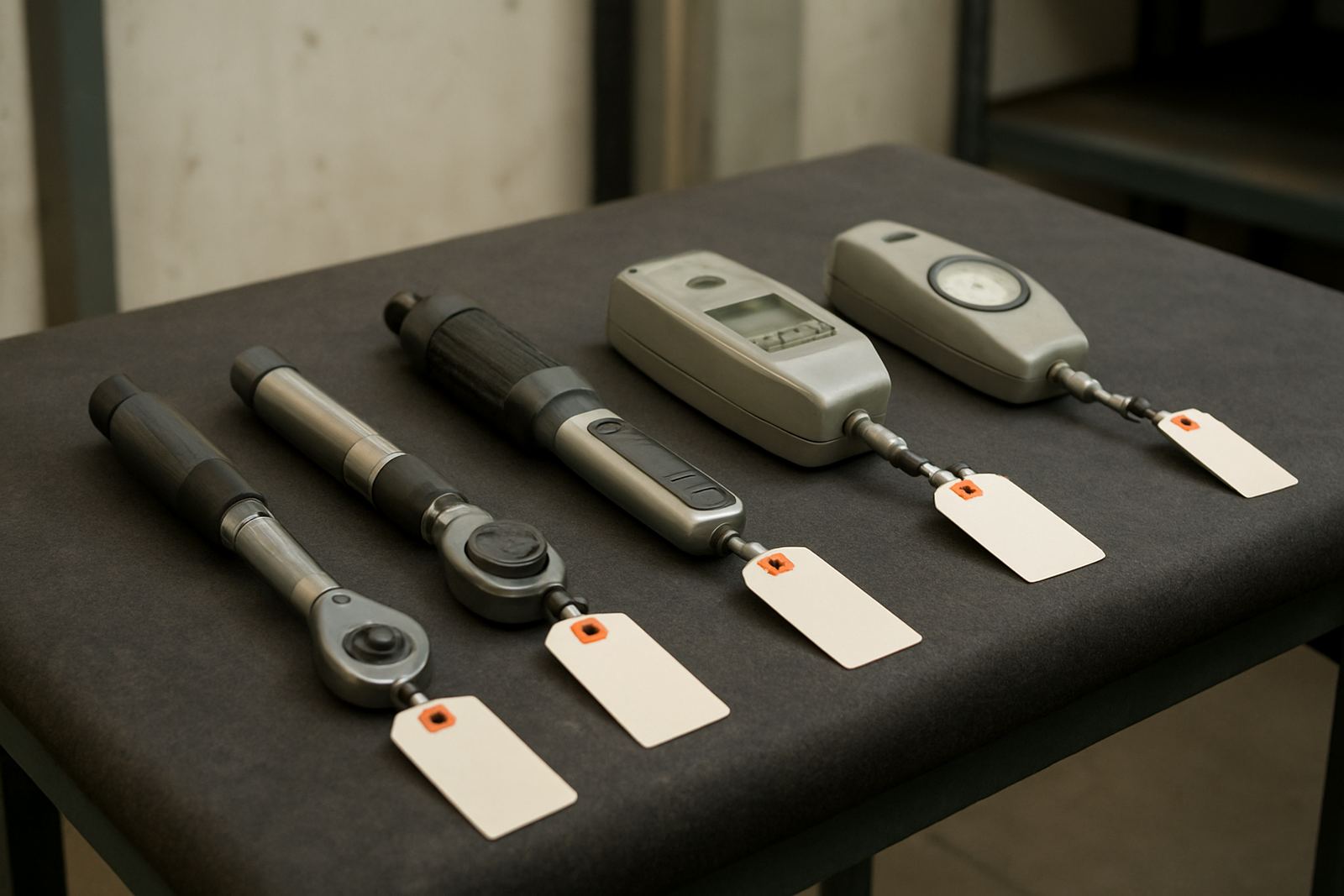
We received a mix of portable metres and tachometers used for general maintenance duties. Each item was logged, inspected for visible wear, then checked through the relevant calibration sequence. Where required, we confirmed readings at multiple points across the range so the client could see performance near the lower and upper end of normal use.
For the metre work, attention was given to stability, display response and consistency across repeated checks. For the tachometers, we verified reading accuracy at practical operating speeds used in the field. This mattered because a metre that reads fine at one point but drifts elsewhere is not much use on a real site.
- Instrument types: portable metres and tachometers
- Checks included visual inspection, functional testing and range verification
- Certificates issued per unit with identified results
- Any out of tolerance items were flagged before return
Timeline and turnaround from collection to return
The full job ran over two weeks from first collection to final return, which suited the client's maintenance cycle. Week one covered intake, logging, testing and any repeat checks needed to confirm readings. Week two covered certificate preparation, final QA, packing and dispatch back to the Brakpan team.
Because the instruments were used for active industrial maintenance, we kept the communication tight. Khanyisile on customer support updated the client on status, while Tshepo coordinated collection and handover. That saved them from chasing different people for the same answer, which is often where small delays start.
- Week 1: collection, receiving, inspection and calibration
- Week 2: review, certification and courier return
- Turnaround: 2 weeks total
- Communication: one contact route through our support team
Results the maintenance team could put to work
The client got instruments back that were ready for immediate site use, with traceable paperwork they could file for internal records and customer audits. That gave their supervisors more confidence when issuing kit to technicians, because each unit had a current calibration status and a clear history.
There was also a practical benefit in downtime reduction. Once the portable metres and tachometers were back in service, the team could continue with fault checks, motor inspections and routine maintenance without pausing to borrow backup units. In a contractor business, that kind of continuity matters more than people think, especially when a callout lands after hours.
- Clear calibration certificates for records and audits
- Restored confidence in field readings
- Less time lost to tool swapping and ad hoc borrowing
- Better support for scheduled and breakdown maintenance
Why the Brakpan job worked well
What made this project work was the match between the client's needs and our process. We understand that maintenance teams need practical support, not long explanations. They want to know what is being tested, when it will be back and whether it will perform properly on site. That is exactly how we approached this job.
If we were doing the same project again, we would keep the same sequence: staggered intake, direct communication, and a quick turn on the final paperwork. For similar jobs in Brakpan, Benoni, Boksburg or Germiston, that is usually the best way to keep field teams moving. It also reduces the chance of a pile-up at month end when everyone suddenly wants their metres back.
- Best approach: staggered intake with clear collection dates
- Ideal for: maintenance contractors, site technicians and service teams
- Useful where: industrial estates, workshops and remote service routes
- Repeatable process for future calibration cycles
Key facts
| Project location | Brakpan, Gauteng |
|---|---|
| Client type | Maintenance contractor supporting industrial sites |
| Items serviced | Portable metres and tachometers |
| Turnaround | 2 weeks |
| Service method | Courier collection and return via Isando, Kempton Park |
| Output | Traceable calibration certificates and status feedback |