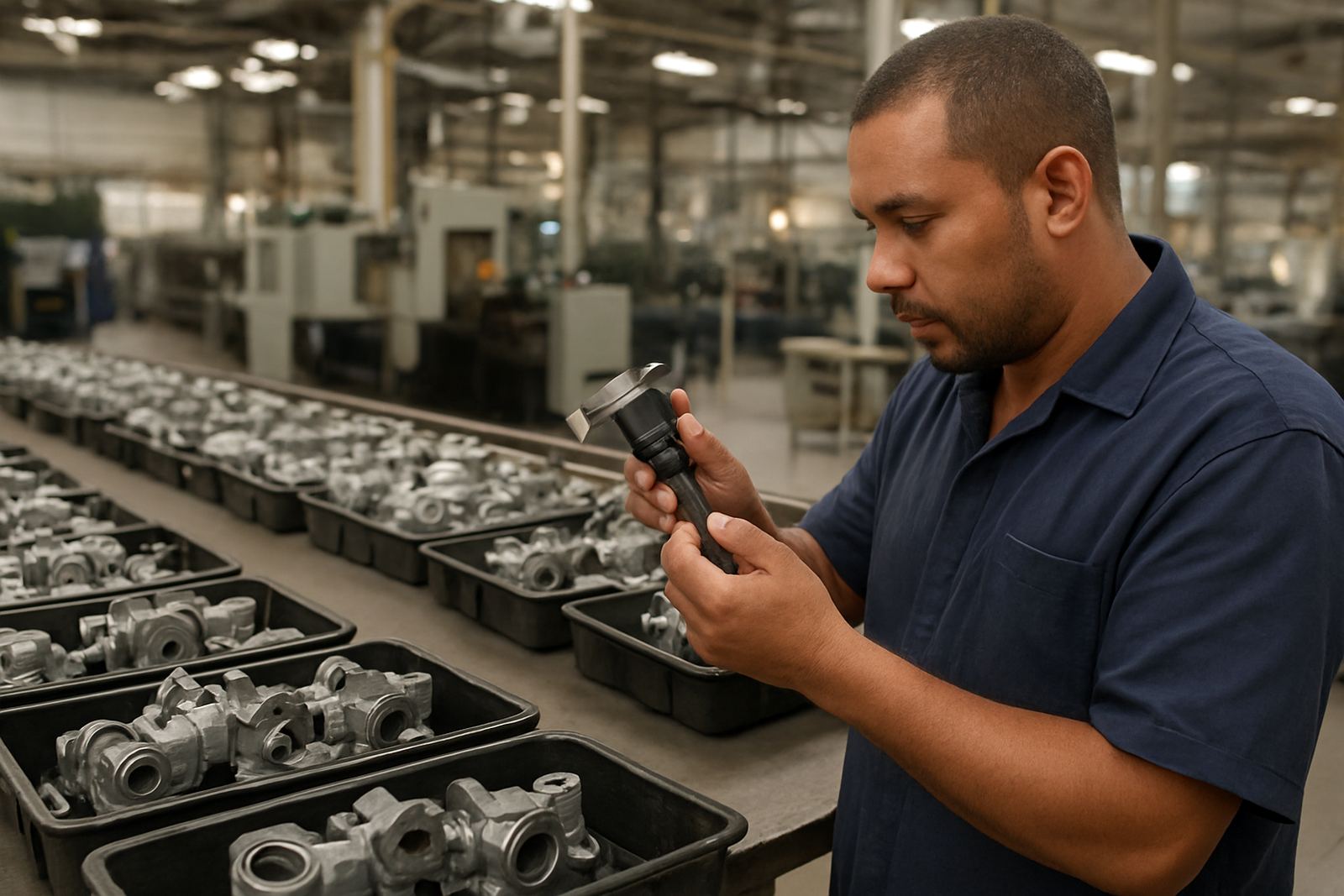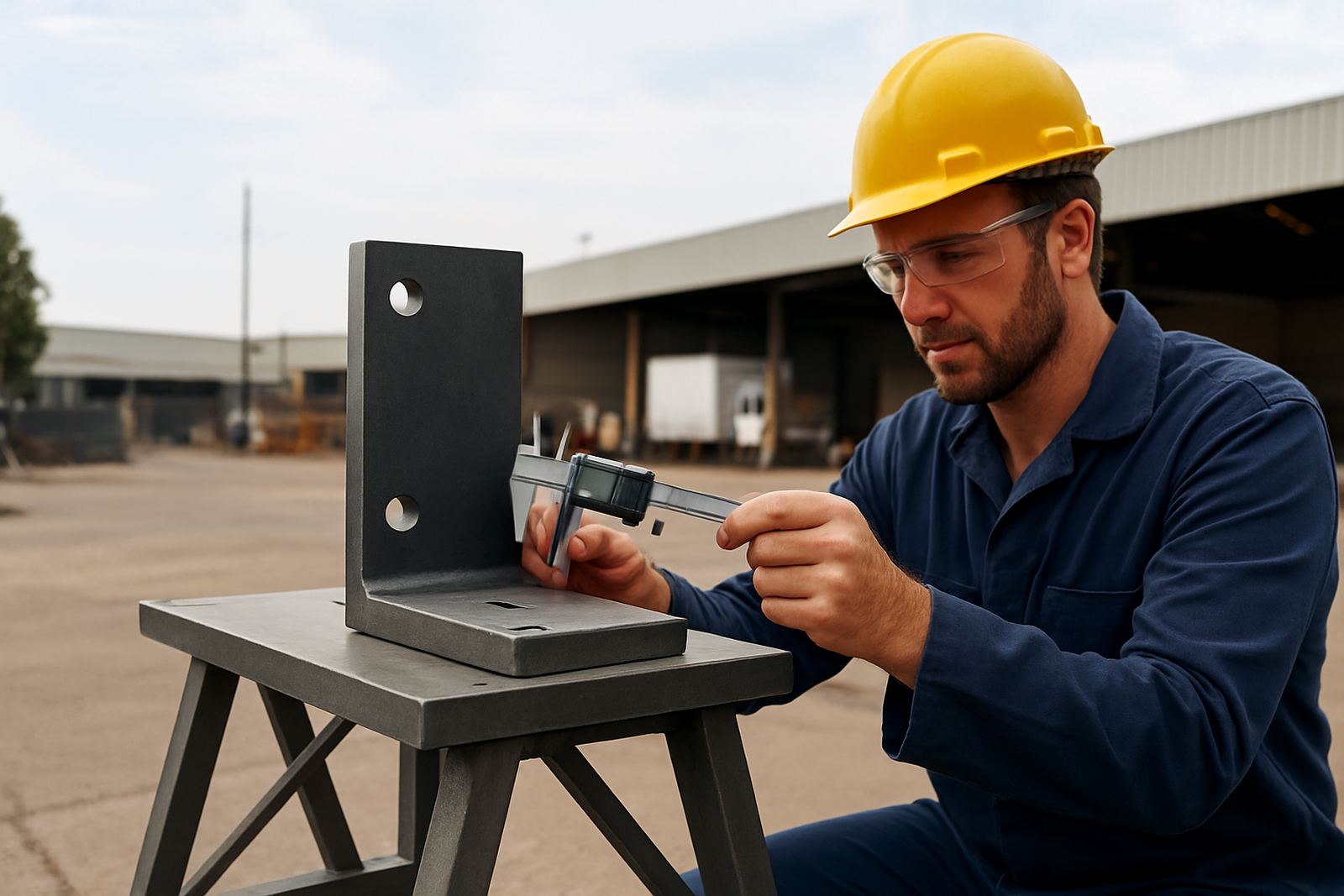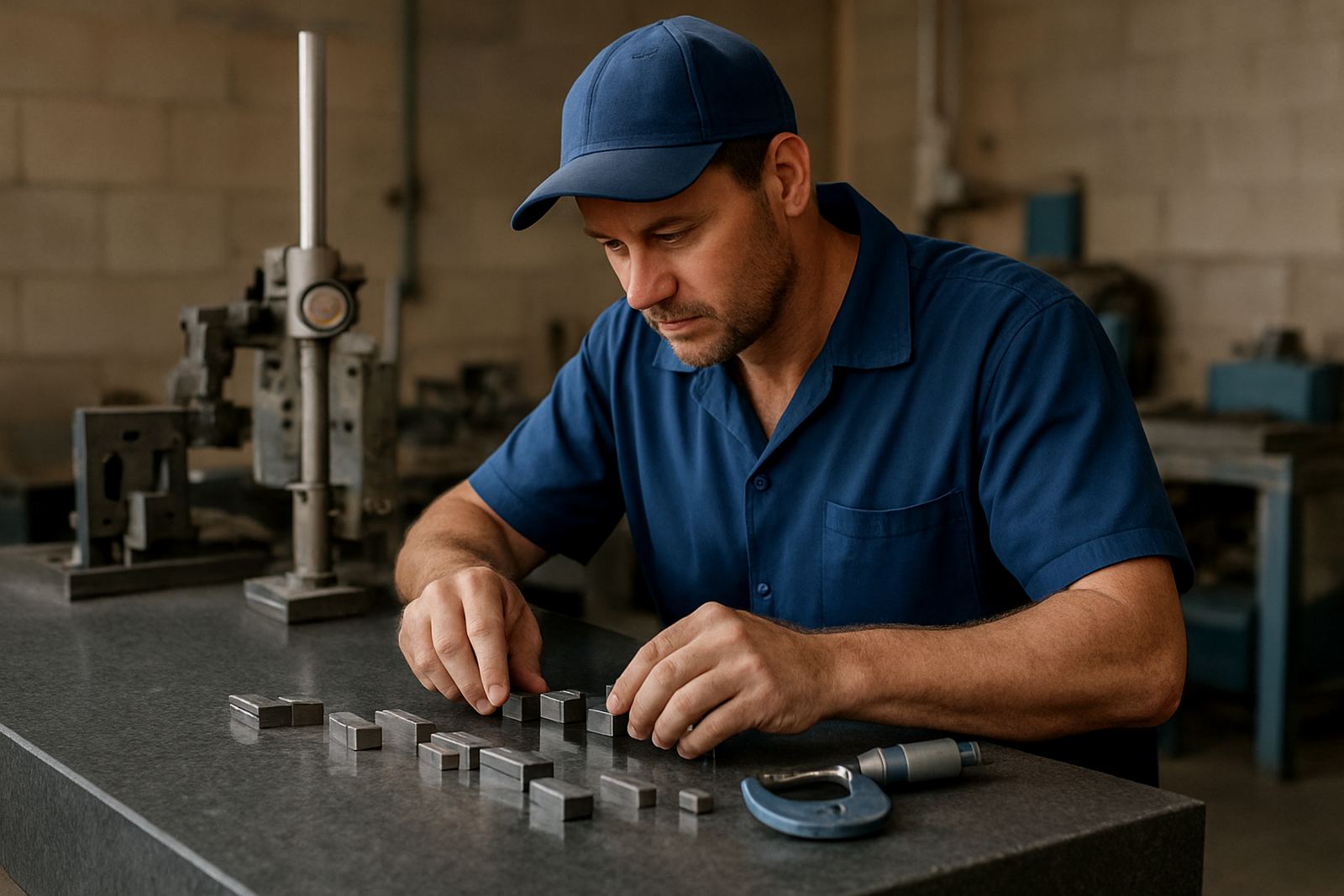


Why water treatment sites need accurate measurement
At a treatment facility, a small error can affect dosing, pump alignment, pipe condition checks and the sign off on maintenance work. Teams in Isando, Kempton Park, Germiston and Boksburg often work around wet floors, chemical store rooms and outdoor plant where dust, humidity and vibration can shift readings over time. That is why calibration should be part of the maintenance plan, not something handled only when a tool fails.
Accu supports water treatment teams that need measurements they can trust during plant maintenance, process verification and mechanical inspection. Our calibration lab in Isando, Kempton Park works with instruments used by technicians, artisans, engineers and contractors across the region, with courier collection available nationwide.
Typical instruments used on treatment plants
Most water treatment sites rely on a mix of hand tools and test instruments for workshop work, plant checks and shutdown maintenance. The exact set changes by process, but the common items are fairly consistent across pumping stations, filtration plants and chemical dosing areas.
- Callipers for shaft, flange and component measurements
- Micrometers for precise diameter checks on worn parts
- Height gauges for setup and inspection work on benches and plates
- Indicators for alignment, runout and machine condition checks
- Torque tools for controlled tightening on flanges and assemblies
- Force gauges for push, pull and spring related checks
- Pressure gauges for pump and line verification
- Temperature and humidity instruments for store rooms and controlled areas
- Multimeters for electrical maintenance and fault finding
In coastal areas, humidity and corrosion can affect instruments faster than teams expect. Inland sites around Johannesburg still face dust, temperature swings and heavy use on shift work, so regular checks remain important.
Calibration services that fit plant maintenance schedules
Accu provides calibration for the instruments most often used in water treatment maintenance. We handle caliper calibration, micrometer calibration, gauge calibration, indicator calibration, height gauge calibration, torque tool calibration, force gauge calibration, pressure gauge calibration, temperature calibration, humidity calibration and multimeter calibration.
For facilities with multiple maintenance teams, it helps to batch instruments together before shutdowns or planned service weekends. That reduces downtime and makes it easier to keep records up to date. If your site in Edenvale, Jet Park or Midrand has a busy workshop, a rolling calibration plan often works better than waiting for tools to drift out of tolerance.
- Single instruments for urgent checks
- Grouped collections from workshops and plant rooms
- Recurring schedules for sites with regular maintenance windows
- Courier collection for branches outside Gauteng
How to plan an efficient calibration layout
A good process starts with separation. Keep measuring instruments away from splash zones, chemical storage and areas where they are likely to be left on vibrating panels or oily benches. A clean cupboard in the maintenance store is better than a crowded shelf next to grinders, hoses and open containers. For plants that run around the clock, assign one person to track issue dates and return dates so tools do not go missing during shift handovers.
When planning a layout, think about the full route from use to return. Instruments should be easy to identify, labelled by asset number if possible, and stored in protective cases where they are available. On larger sites, especially where contractors work alongside internal teams, a sign out sheet helps reduce disputes and keeps the equipment trail clear.
- Store instruments in a dry lockable cabinet
- Separate inspection tools from heavy workshop tools
- Use asset tags and a simple logbook
- Keep spares for critical work so maintenance can continue during calibration
Common mistakes that cause avoidable errors
Many water treatment teams lose time because instruments are used outside their intended range or stored poorly between jobs. A pressure gauge used on the wrong line range, or a micrometer dropped in a toolbox, can create enough error to affect a maintenance decision. Another common issue is leaving calibration until after a fault has already been reported by operations.
Some sites also forget that electrical and mechanical tools age differently. A multimeter may appear fine while its leads or internal accuracy have drifted. A torque tool can also feel normal in the hand even when it is no longer delivering the right load. The safest approach is to treat every critical instrument as part of a control system, not just a loose tool in the store.
For municipal and industrial treatment facilities, record keeping matters as much as the reading itself. If a contractor cannot show a current calibration record, site access and sign off can be delayed.
Budget ranges for water treatment calibration work
Budgets depend on instrument type, quantity, urgency and whether collection is arranged from site. For a small maintenance team with a few hand tools, calibration work may start from about R650 to R1 500 per instrument for simple items. More specialised gauges or torque tools can range from about R950 to R2 500 each, depending on the required checks and tolerances.
Mixed batches for a workshop or plant maintenance crew are often priced more efficiently per item. For a medium size site with 10 to 20 instruments, planning around R8 000 to R25 000 is a practical starting point. Larger facilities with multiple shifts, several pressure gauges and regular shutdown support can expect higher totals, especially if collection, sorting and documentation are needed.
It usually costs less to maintain a schedule than to recheck faulty work after a process issue. That is particularly true where downtime affects pumping, dosing or filtration output.