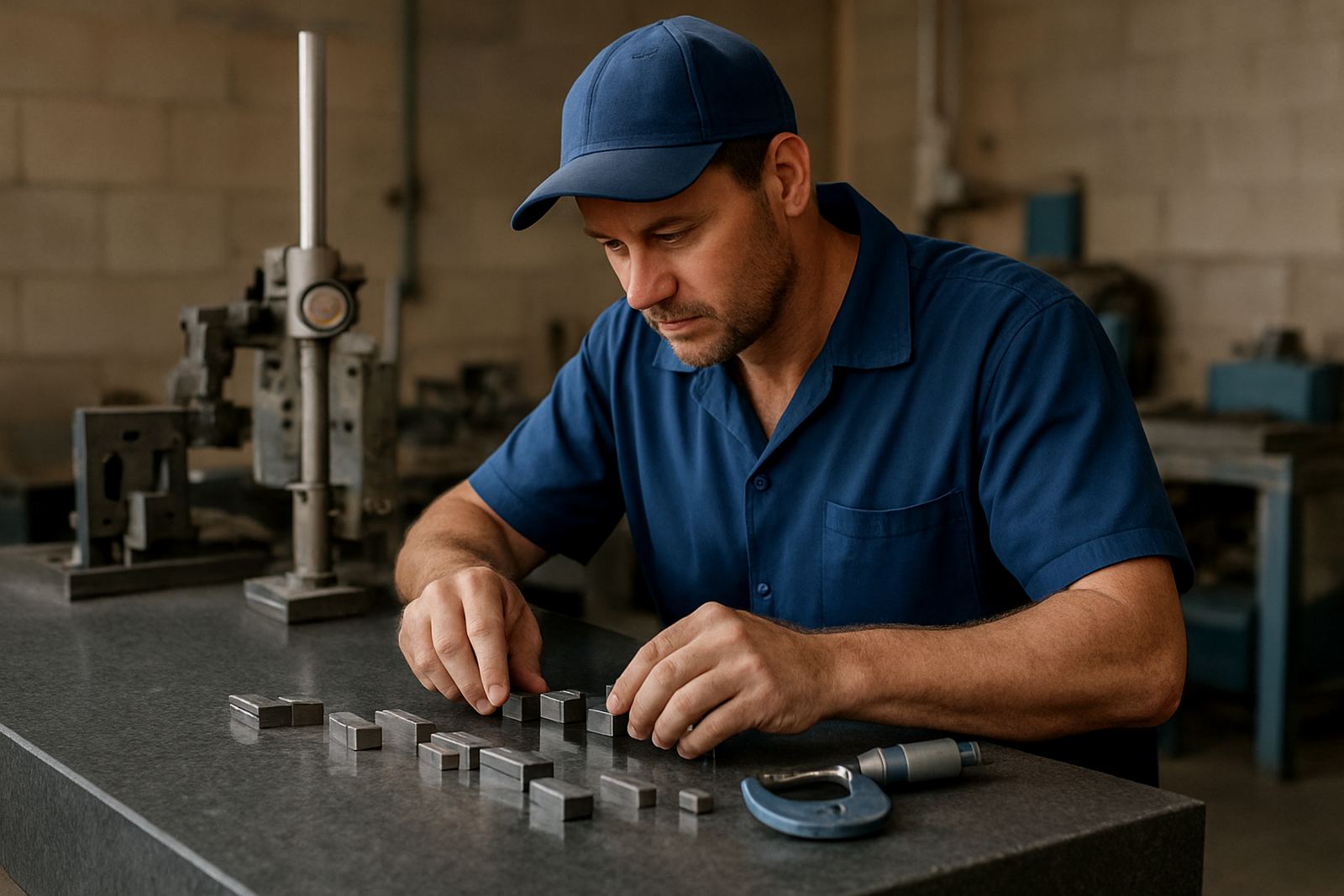

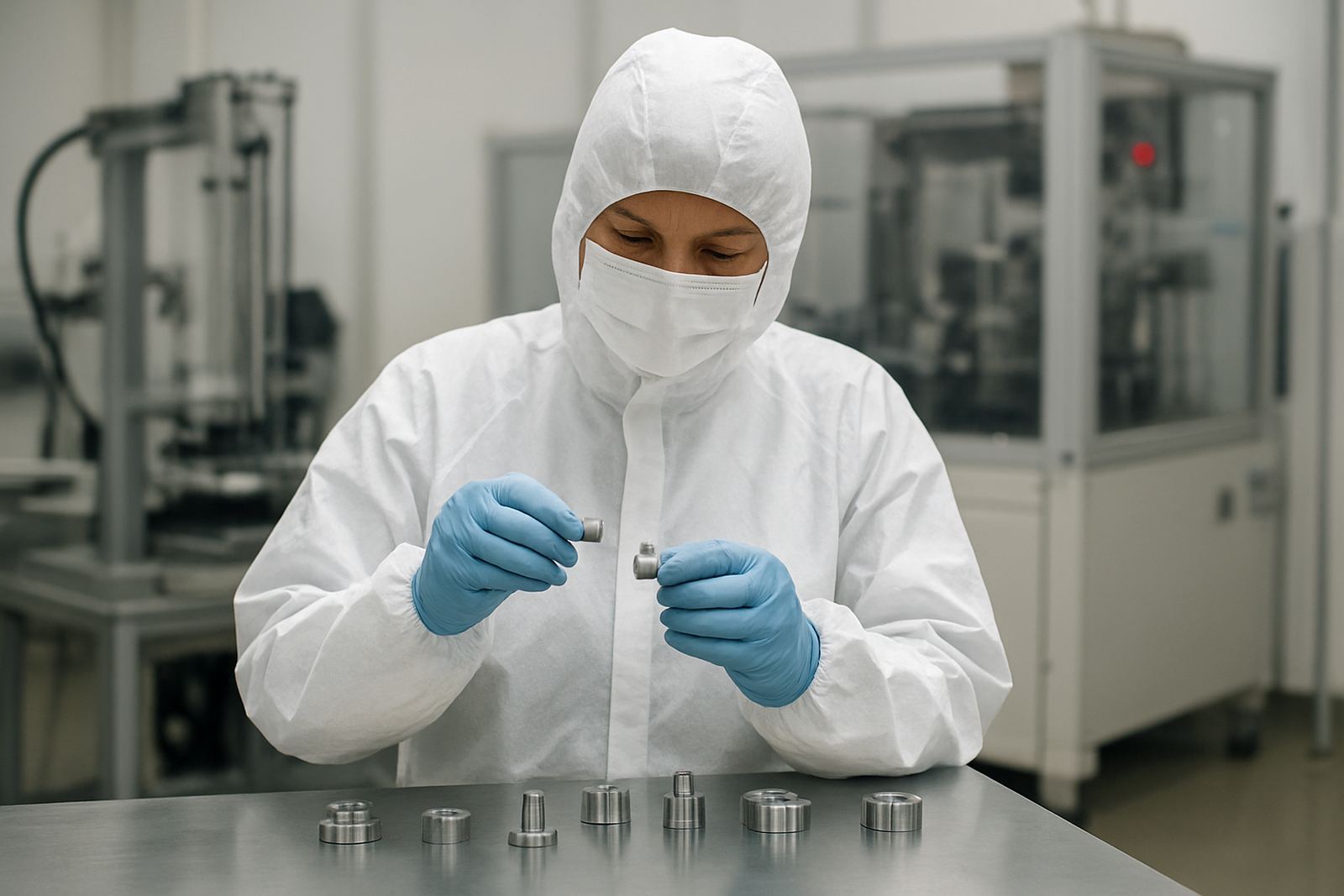
Measurement control in a clean production environment
In pharmaceutical production, measurement is not only about reading a number. It is about proving that the number came from an instrument that was checked, traceable and suitable for the task. That matters in raw material receiving, compounding, filling, packaging, storage and dispatch, especially where temperature, humidity and line clearance are part of daily control.
Accu supports pharma teams in Isando, Kempton Park, Edenvale, Germiston, Boksburg, Jet Park, Meadowdale and Midrand with calibration services for the measuring instruments used on the floor and in the lab. Our calibration lab also supports courier collection nationwide, which helps when a site has several production areas or when equipment needs to come in from another branch. For many plants, the issue is not getting one gauge checked, it is keeping the full set of instruments on a schedule that fits production windows and audit dates.
On a typical pharma site, the smallest measurement gap can become a bigger quality issue. A force gauge that is out, a thermometer that reads high by a little, or a micrometer that has not been confirmed after heavy use can all affect confidence in the process. In controlled environments, that confidence needs to be documented, not assumed.
Typical instruments found on pharma production lines
Most pharma teams use a mix of hand instruments, process checks and verification tools across production and support areas. We commonly see the following set in use:
- Calipers for dimensional checks on components, fittings and packaging parts
- Micrometers for tighter tolerance measurements on precision parts
- Height gauges for setup and inspection work on benches or plate surfaces
- Indicators for alignment and runout checks on rotating or mounted equipment
- Torque tools used on assembly and maintenance jobs
- Pressure gauges on air, process and utility systems
- Temperature and humidity instruments for storage and controlled rooms
- Force gauges for push, pull and seal related tests
- Multimeters used by maintenance and electrical teams
It is common for one site to have different instrument groups in different zones. Packaging may need one set of calipers and torque tools, while a controlled store or QC room may rely on temperature and humidity checks. If the plant is operating in Gauteng summer heat, environmental readings become even more important because conditions can change quickly and affect both equipment and product handling.
How to plan calibration around production, audits and downtime
The best calibration plan is the one that fits the site’s actual workflow. In pharma production, that usually means avoiding peak batch runs, co-ordinating with cleaning schedules and allowing time for equipment to return before the next line start-up. If a plant runs on tight shift handovers, it helps to group instruments by area so the calibration cycle does not create unnecessary movement through controlled zones.
A practical layout for planning is simple: list the instrument, where it is used, the acceptable interval, and who is responsible for sending it out. That list should include measuring tools used by maintenance teams too, because they are often the ones that get missed until a non-conformance shows up. One missing record can create more admin than the actual calibration itself, so the paperwork side needs as much attention as the tool.
For sites that use courier collection, it is worth packing instruments by department and marking anything that has an urgent turnaround requirement. Clean packaging matters. So does protecting sensitive instruments from dust, moisture and knocks during collection and transit. If a site is close to Isando or Kempton Park, drop-off and collection can be easy. If it is further out, the same process still works, but the planning needs a bit more lead time.
Common mistakes that cause audit trouble
Most measurement problems in pharma production are avoidable. They usually come from routine gaps rather than one big failure. Common mistakes include:
- Using one instrument in several departments without clear ownership
- Letting calibration intervals drift because production is busy
- Keeping tools in wet or dusty storage areas near washdown points
- Ignoring damage after a drop, even when the instrument still seems fine
- Mixing verified instruments with unverified ones on the same bench
- Skipping humidity and temperature checks in store rooms and controlled areas
Another issue is assuming a tool is accurate because it was recently cleaned or looks new. Appearance does not tell you whether it is still within tolerance. In a pharma setting, that is a risky assumption. A gauge that has been knocked against a steel surface or a caliper that has picked up wear at the jaws can still look acceptable at a glance. The only reliable answer is a proper check against traceable standards.
Budget ranges for a pharma measurement programme
Budgeting for calibration depends on the instrument type, quantity, condition and the turnaround needed. Smaller plants may only need a few critical items checked each cycle, while larger sites can have several dozen instruments spread across production, maintenance and QC. As a guide, basic hand instrument calibration can start from a few hundred Rand per item, while more specialised checks for pressure, temperature, humidity or force instruments can move into the higher hundreds or low thousands per unit.
For planning purposes, many pharma customers in Johannesburg and surrounding areas allow a monthly or quarterly budget rather than trying to fund everything at once. That approach helps spread the cost and keeps the schedule manageable. Courier collection can also reduce time lost by internal transport, especially when instruments are stored across different buildings or shift teams.
It is also worth keeping a small contingency in the budget for urgent repairs, rechecks or damaged tools. Replacing one critical item at short notice can cost more than the planned calibration would have. A sensible budget is not the cheapest one. It is the one that protects production, keeps records current and avoids last-minute interruptions.
What pharma teams ask for before sending instruments in
Before collection or handover, most teams want three things: a clear list of instruments, the required turnaround and confirmation of where each item is used. That lets the calibration team prioritise and return equipment in a way that fits the plant schedule. It also helps to note whether an instrument is used in a controlled room, a maintenance bay or a general production area, because the handling requirements can differ.
Accu’s team includes Lebohang Motaung, Rukshana Manuel, Bertus Swanepoel, Khanyisile Nxumalo, Tshepo Radebe and Candice Jacobs, which means clients can deal with people who understand both the technical side and the practical admin around it. If a site needs help deciding which instruments should go first, the customer support team can guide the process through the enquiry form on our contact page. That is often the quickest way to avoid delays when several departments want work done at the same time.
For pharma production, measurement confidence is not a one-off event. It is a routine, a record and a habit. When that routine is in place, audits become easier and production teams spend less time second-guessing their numbers.