

Keeping Packaging Lines Within Spec
Packaging lines run on tight tolerances. A small error on a caliper, gauge or torque tool can lead to loose closures, poor seal quality or cartons that fail during stacking and transport. In a busy plant, the pressure is on to keep output moving while still meeting customer specs and internal quality checks. That is where accurate measuring instruments matter.
Accu works with engineering teams, technicians and production supervisors who need practical support for mechanical setup, component verification and routine maintenance checks. Whether your line is in a food plant in Germiston, a goods warehouse in Jet Park or a contract packing site in Midrand, the aim is the same: keep every setting repeatable and every check traceable. Early shift changeovers can make this harder, so equipment that is properly calibrated saves time when the line comes back online.
Typical Tools Used on Packaging Equipment
Most packaging lines rely on a mix of hand measuring tools and process instruments. These are used during installation, planned maintenance and quality sign-off after adjustments. A line team may use the following items daily or weekly:
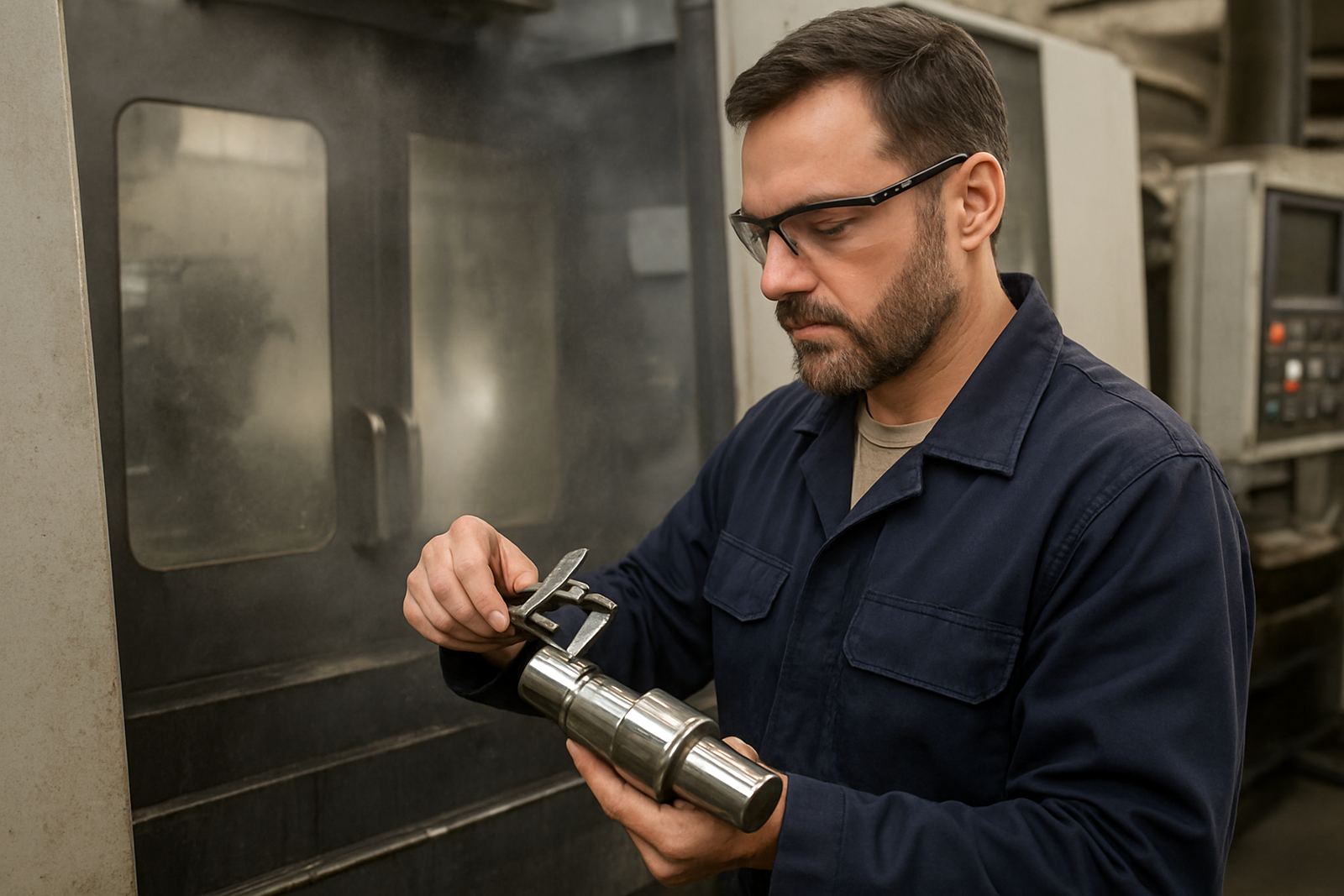
- Calipers for checking shaft sizes, guide rails and machined parts
- Micrometers for precise component checks on rollers, spacers and bushings
- Height gauges for setup and alignment on tables and frames
- Dial indicators for run-out, straightness and moving assemblies
- Torque tools for fastening heads, guards and mechanical fittings
- Pressure gauges for compressed air systems and pneumatic controls
- Temperature and humidity instruments for storage rooms and packing areas
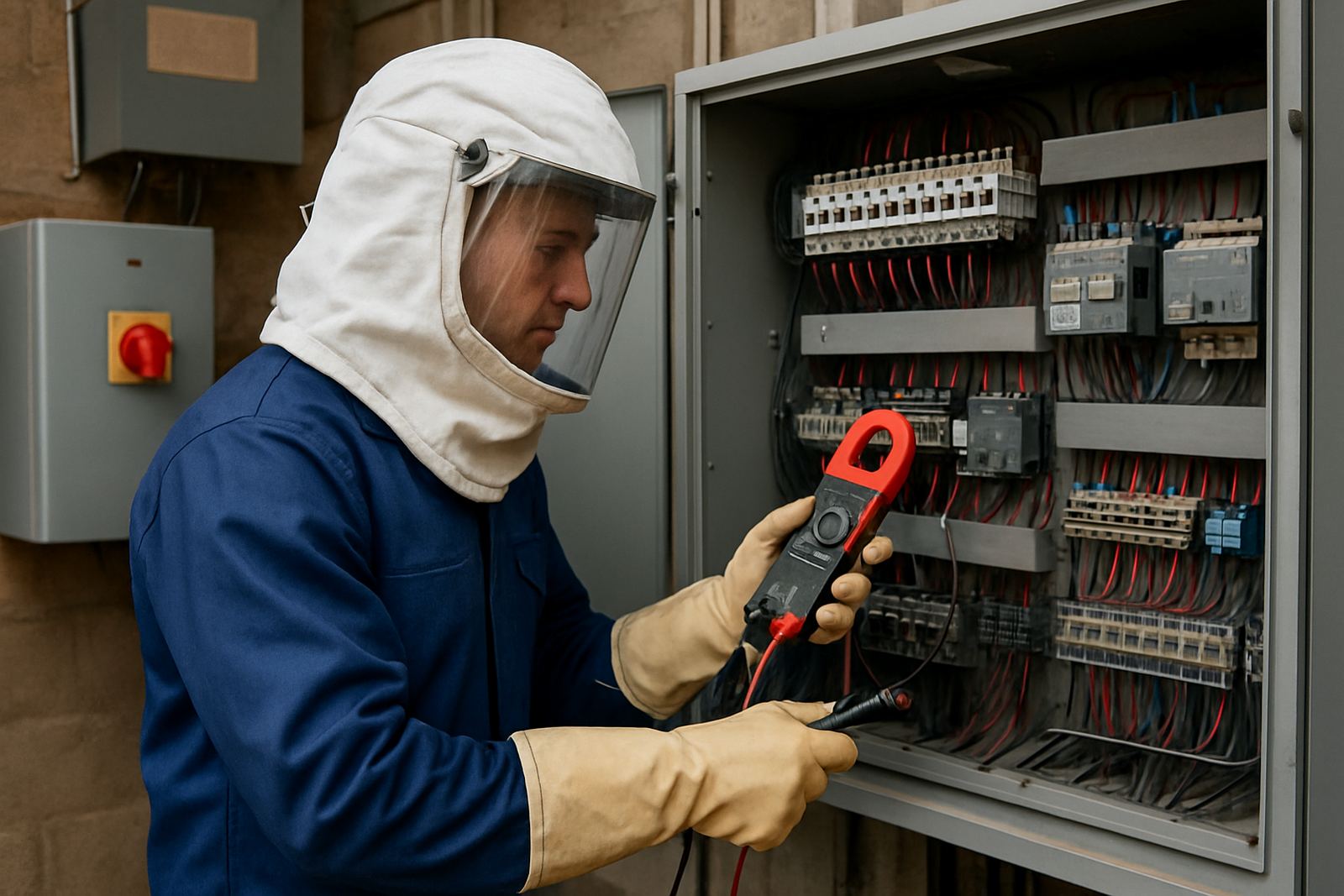
- Multimeters for fault finding on sensors, motors and control circuits
On coastal routes or where packaging stores sit near humid zones, moisture can affect both product handling and instrument condition. That makes regular calibration and basic care important, especially if tools are stored in a workshop or taken from one shift to the next.
Layout and Planning Advice for New or Upgraded Lines
When a packaging line is being installed or expanded, measurement points should be planned before the first machine is bolted down. Teams often focus on throughput and forget the checks needed for alignment, spacing and access. A good setup allows operators to reach measuring tools easily, inspect the same points every time and record results without stopping the entire line for too long.
In practical terms, this means defining where instruments will be used, who signs off the readings, and how often the equipment is checked against traceable standards. For sites in Isando, Edenvale and Boksburg, this is especially useful in shared production spaces where several teams use the same tools. A clear plan also helps when a line runs across shifts and there is not much room for error.
- Keep measuring tools in one controlled storage area near the line, not scattered across the plant
- Mark critical measurement points for change parts, guides and product contact areas
- Set a fixed schedule for calibration before month-end production peaks
- Allow space for inspection after cleaning, reassembly and maintenance work
Calibration Services That Keep Checks Reliable
Accu provides calibration services for calipers, micrometers, gauges, indicators, height gauges, torque tools, force gauges, pressure gauges, temperature instruments, humidity instruments and multimeters. That gives packaging teams one supplier for most of the measuring gear used in setup and maintenance. We also support courier collection nationwide, which helps plants outside Gauteng avoid delays when tools need to be tested and returned.
Our calibration lab in Isando, Kempton Park handles instruments used on packaging lines, from general workshop tools to more specialised process checks. If a plant needs a field visit, the team can coordinate through our enquiry form and plan collection or service around production windows. That is useful when a site cannot afford extended downtime or when a critical line must be back in service before the next dispatch run.
Common Mistakes That Cause Line Problems
Many packaging faults start with small measurement errors. A clamp set too tight, a sensor bracket out by a few millimetres or an air pressure reading that is not checked properly can create repeat rejects through an entire shift. The problem is often not the machine itself but the control process around it.
Another common issue is using tools that are not calibrated often enough. Teams may assume a gauge is fine because it still moves smoothly, but wear, shock and dust can affect readings long before the problem is obvious. Dirty storage, rough handling and mixed tool ownership also create trouble. In busy plants around Kempton Park and Meadowdale, that can mean incorrect settings during a changeover and extra time lost on correction work.
- Using the wrong instrument range for the job
- Skipping verification after maintenance or cleaning
- Leaving tools in hot or humid areas near production bays
- Not recording calibration dates for shared equipment
- Ignoring small changes in pressure, torque or alignment
Budget Ranges for Packaging Line Support
Budgets depend on the number of instruments, the type of equipment and whether the job is a simple check or a full calibration with traceable records. For smaller packaging operations, a basic set of routine calibration work may start from about R1 500 to R4 000 per batch of instruments. Larger plants with multiple lines, more specialised gauges and tighter turnaround needs may budget from R5 000 to R15 000 or more depending on scope.
If field attendance is needed, allow for travel and time on site as well as any follow-up testing. Courier collection can reduce disruption and is often the better choice for standard hand instruments, while critical line equipment may need priority handling. The right budget is usually the one that protects production quality without paying for unnecessary stoppages or repeat work.
Who Usually Uses This Service
Packaging line support is useful for food and beverage plants, contract packers, plastics processors, personal care manufacturers and distribution centres with in-house packing stations. It also suits maintenance contractors who manage several sites and need one dependable point of contact for calibration records and collection. In many cases, the client is not looking for anything fancy. They just need instruments that read correctly and a process that does not slow the shift down.
From Isando to Germiston, many operations want a partner who understands both production pressure and compliance needs. That means clear paperwork, careful handling and practical advice on when to replace a tool, when to recalibrate it and when a fault points to the line rather than the instrument. For packaging teams, that kind of support makes day-to-day work easier and more predictable.