

Why food plants need tight measurement control
In food processing, small measurement errors can turn into product rework, failed audits or unwanted waste. From raw ingredient checks in Isando to packaged goods moving through Kempton Park and Germiston, operations depend on instruments that read correctly every time. If a caliper is off by even a small amount, a sealing gap, filler setting or component fit can be wrong for the whole shift.
We work with compliance driven teams that need traceable calibration records, repeatable results and clear status labels on each instrument. That matters for QA checks, maintenance teams and production supervisors who need confidence before a line starts up after cleaning or a weekend shutdown.
- Useful for wet, chilled and high humidity areas
- Supports audit preparation and internal quality controls
- Helps reduce scrap, rework and stoppages
Typical instruments used on food processing lines
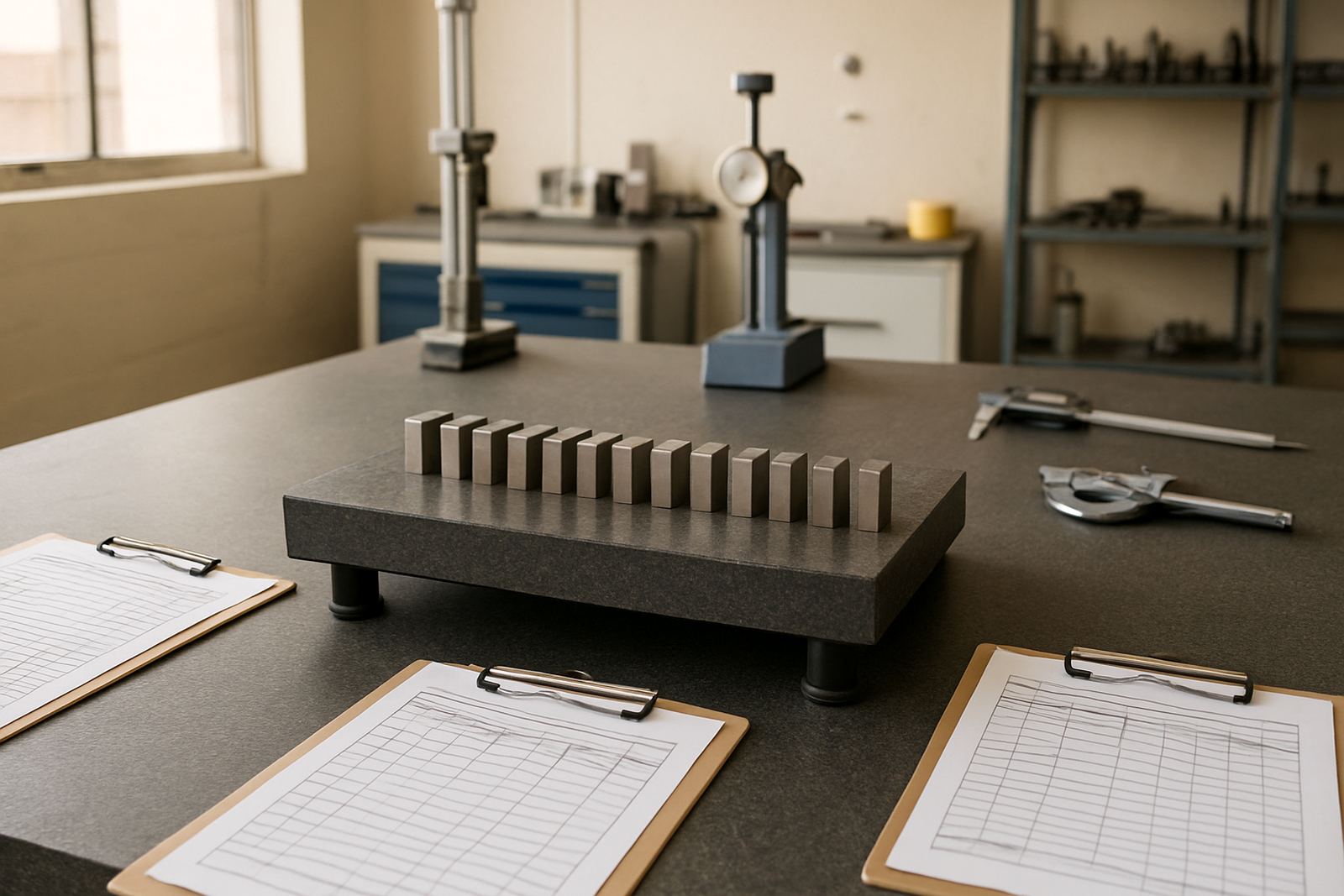
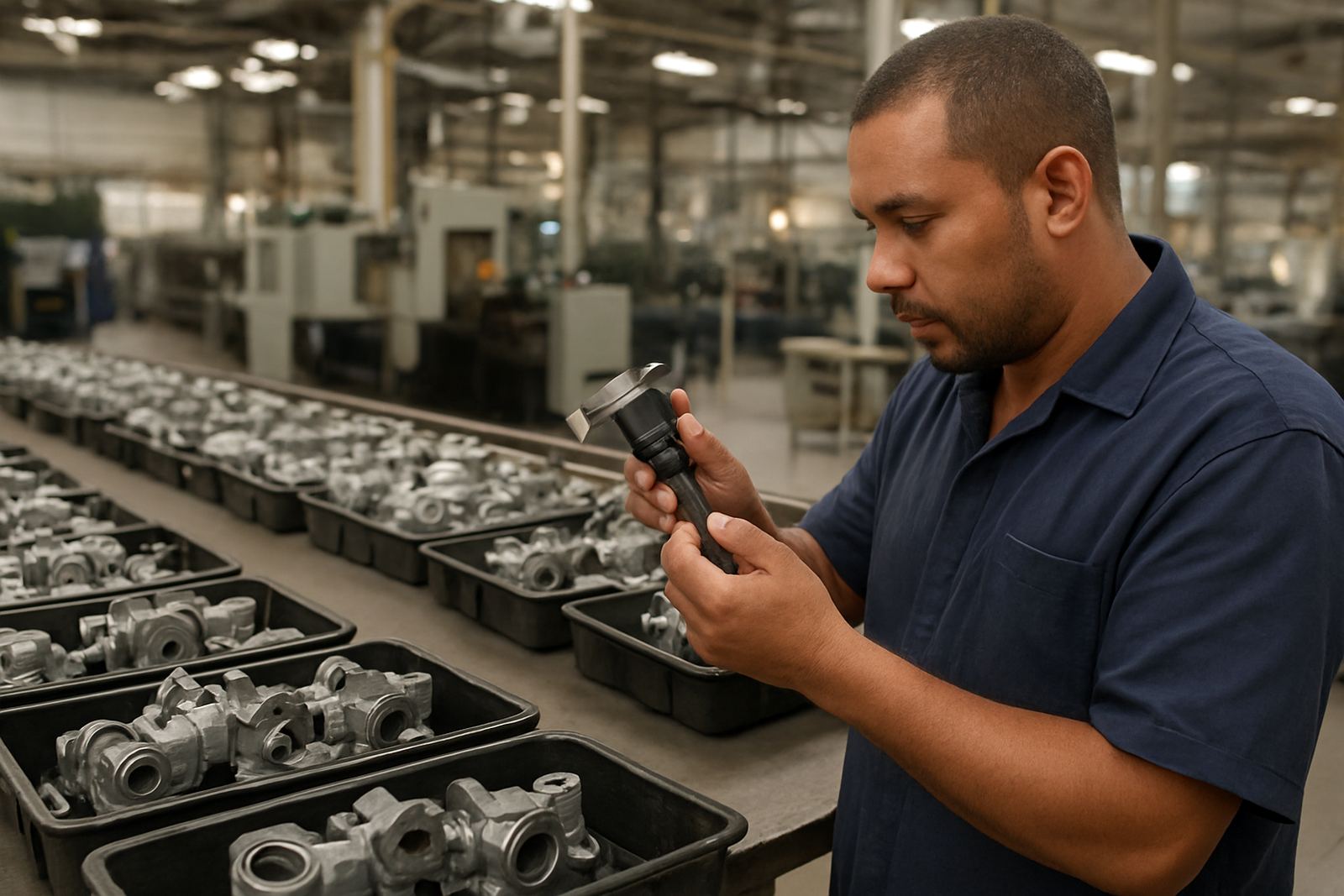
A food plant uses more than one type of measuring tool. Some are held by maintenance staff for quick checks, others stay with quality teams or are sent for periodic calibration. We commonly see calipers for dimensional checks, micrometers for shaft and part measurements, height gauges for setup work, and indicators for alignment tasks. Gauge calibration is also common where pressure, vacuum or temperature readings affect cooking, filling, sealing or storage.
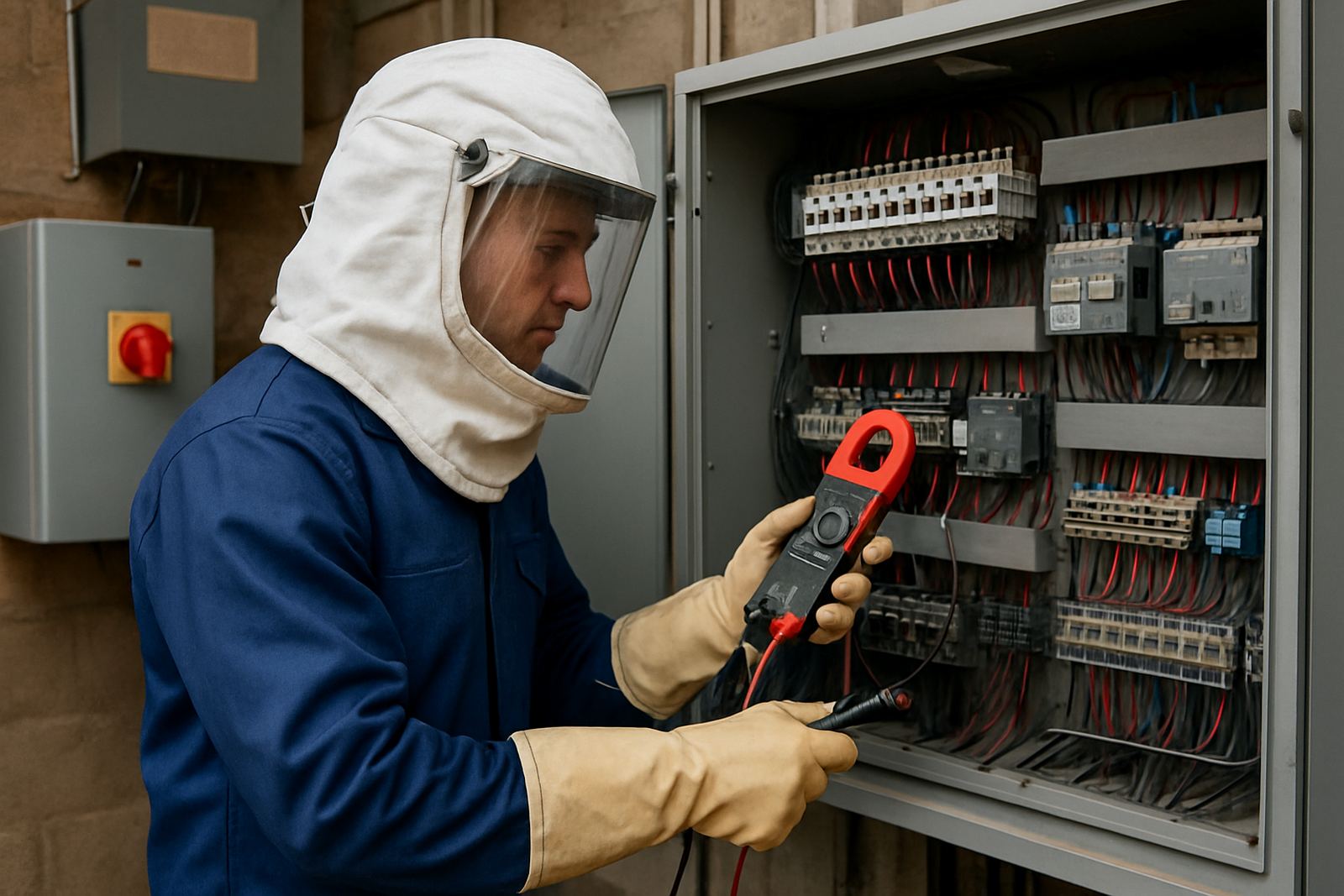
For packaged food sites, torque tools are often used on fasteners and machine adjustments, while multimeters support electrical fault finding on conveyors, sensors and control panels. Humidity and temperature calibration matter in cold rooms, dry stores and packaging areas where product condition changes quickly. If a site has compressed air or process pressure points, pressure gauge checks should be part of the routine as well.
- Calipers, micrometers and indicator clocks
- Height gauges and force or torque tools
- Temperature, humidity and pressure gauges
- Multimeters for maintenance and fault checks
Planning a calibration schedule around shifts and washdowns
Food production does not stop for paperwork, so a good calibration plan has to fit the plant. In many Johannesburg and East Rand facilities, the best time for collection is during planned maintenance, after a shutdown or on low volume days. If your operation runs early starts and night shifts, keep a live register of instruments by area, line and responsible person so nothing disappears into a tool cupboard for months.
We advise grouping instruments by use and risk. QA instruments may need tighter intervals than general maintenance tools. Equipment in chilled rooms, near steam, or in washdown zones should be checked more often because moisture and cleaning chemicals can affect readings. Planned maintenance is important, since unplanned restarts can stress sensors and test points. If you store devices on site, keep them in dry cases and away from vibration, cold condensate and forklift traffic.
- Schedule around shift changes and planned maintenance
- Separate critical QA tools from general workshop instruments
- Protect stored instruments from moisture, dust and knocks
Courier collection from Isando to nationwide sites
Our calibration lab is based in Isando, Kempton Park, which works well for food processors in Edenvale, Boksburg, Jet Park, Meadowdale and Midrand. For sites outside Gauteng, we arrange courier collection nationwide so your instruments can move without needing staff to travel. That is often easier for plants with multiple branches or remote warehouses, especially when every hour on the floor counts.
Before collection, we recommend separating instruments by type and marking any urgent items clearly. If a gauge or multimeter is used on a critical line, tell us which line it supports and whether the tool is still in service or already removed from production. This helps us prioritise turnaround and reduce confusion when items come back. It also helps your team track which tools are due next.
- Courier collection for Gauteng and out of province sites
- Suitable for single tools or grouped batches
- Clear labelling helps speed up receiving and return
Common mistakes that create compliance problems
One of the biggest issues is letting calibration intervals drift because production is busy. Another is using the same measuring tool across multiple areas without a proper record of where it is used. In food plants, that can lead to mixed records and uncertainty during audits. We also see tools stored in damp control rooms or left on metal benches near wash areas, where condensation and knocks can affect performance.
Some sites forget to check whether a tool has been dropped, overloaded or used after a hard stop. Even if it still looks fine, accuracy may have shifted. It is also common to skip traceability paperwork, then spend hours matching serial numbers before an inspection. A simple register, a visible status label and a clear return process will save time later. Small admin gaps often become bigger than the test itself.
For sites with strict customer or regulatory requirements, keep a single owner responsible for updates. That person should know where each tool is, when it was last checked and when it needs to go again for calibration.
Budget ranges for food processing calibration in Rand
Budget depends on the number of instruments, the type of calibration and how urgent the turnaround is. A small batch of general measuring tools may be handled at a modest cost, while pressure, temperature or specialist gauges can cost more because of test setup and traceability requirements. If you are sending a mixed batch from a plant in Germiston or Midrand, grouping items together often works out better than sending them one by one.
As a practical guide, many food businesses budget from about R350 to R950 per standard hand tool, while more specialised instruments can sit between R750 and R2 500 or more depending on the specification and any additional checks. Courier collection is usually quoted separately based on location and quantity. If your site has a large stock of tools, it is worth planning a quarterly or six monthly cycle rather than leaving everything for one expensive catch up.
Accu can help you prioritise the instruments that matter most to hygiene, line uptime and audit readiness. That way the budget goes where it has the greatest effect and the plant stays moving without unnecessary stoppages.