
How often should we calibrate measuring instruments?
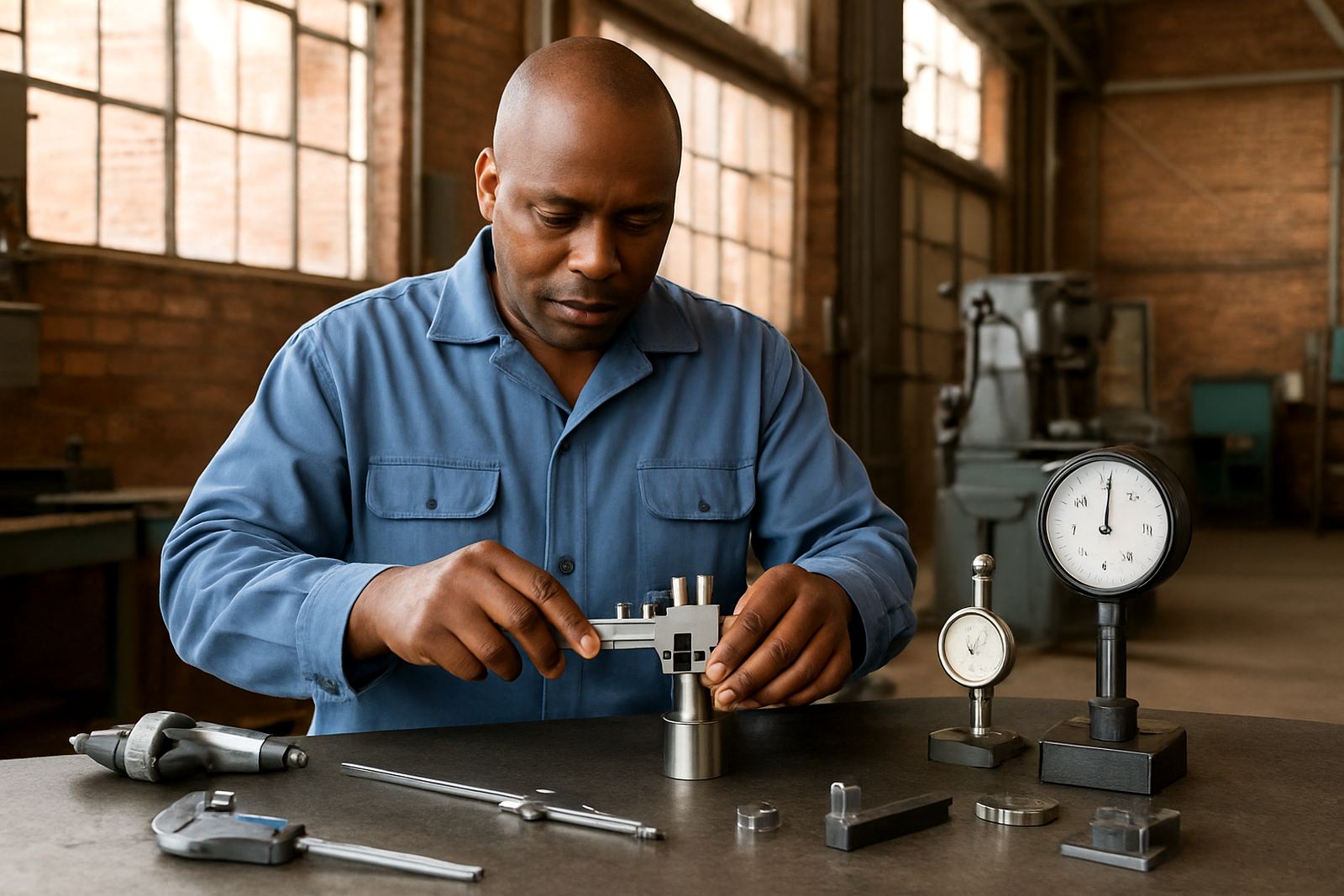
Calibration intervals depend on how hard the instrument is used, the environment it works in, and the tolerance you need to hold. A caliper used daily on a workshop floor in Germiston will usually need checking more often than a gauge kept in a clean store room in Midrand. If your tools are exposed to dust, vibration, oil, coastal humidity, or frequent changes affecting electronic equipment, shorten the calibration interval.
As a practical rule, many businesses review calibration every 6 to 12 months, but high-use production items may need more frequent attention. If a result looks out of range, or if an instrument has been dropped, used under heavy load, or stored badly, do not wait for the next routine date. Send it in for assessment first.
- Check usage frequency and operating conditions
- Shorten intervals for critical measuring work
- Recalibrate after impact, overload, or repair
- Keep a simple register so no item gets missed
What happens when we send tools in for calibration?
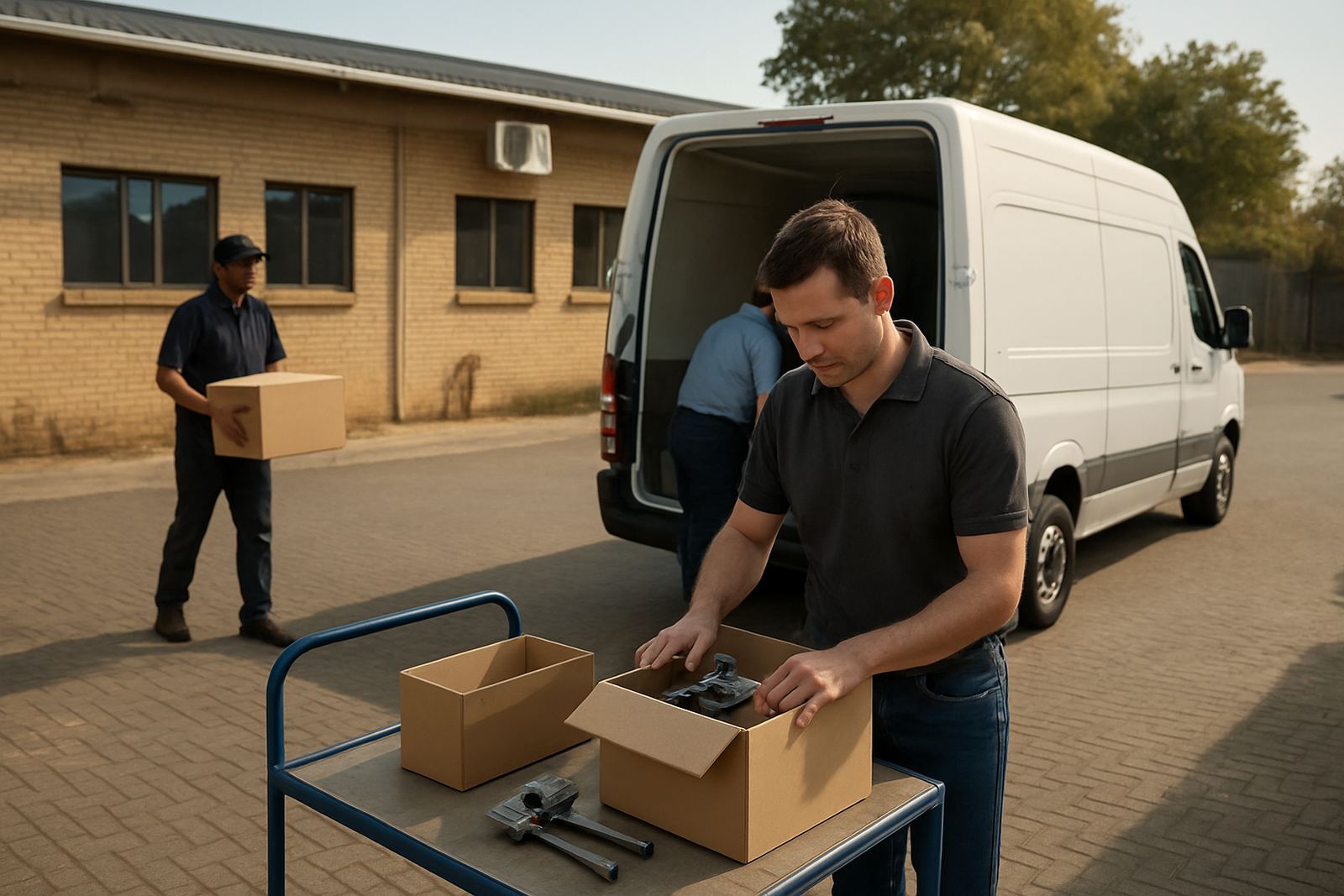
Once your enquiry comes through the contact form, we confirm the item type, quantity, and collection point. For clients in Isando, Kempton Park, Edenvale, Boksburg, Jet Park, Meadowdale, Germiston and surrounding areas, collection can be arranged by courier. National clients can also book collection, which keeps the process straightforward when teams are spread across sites.
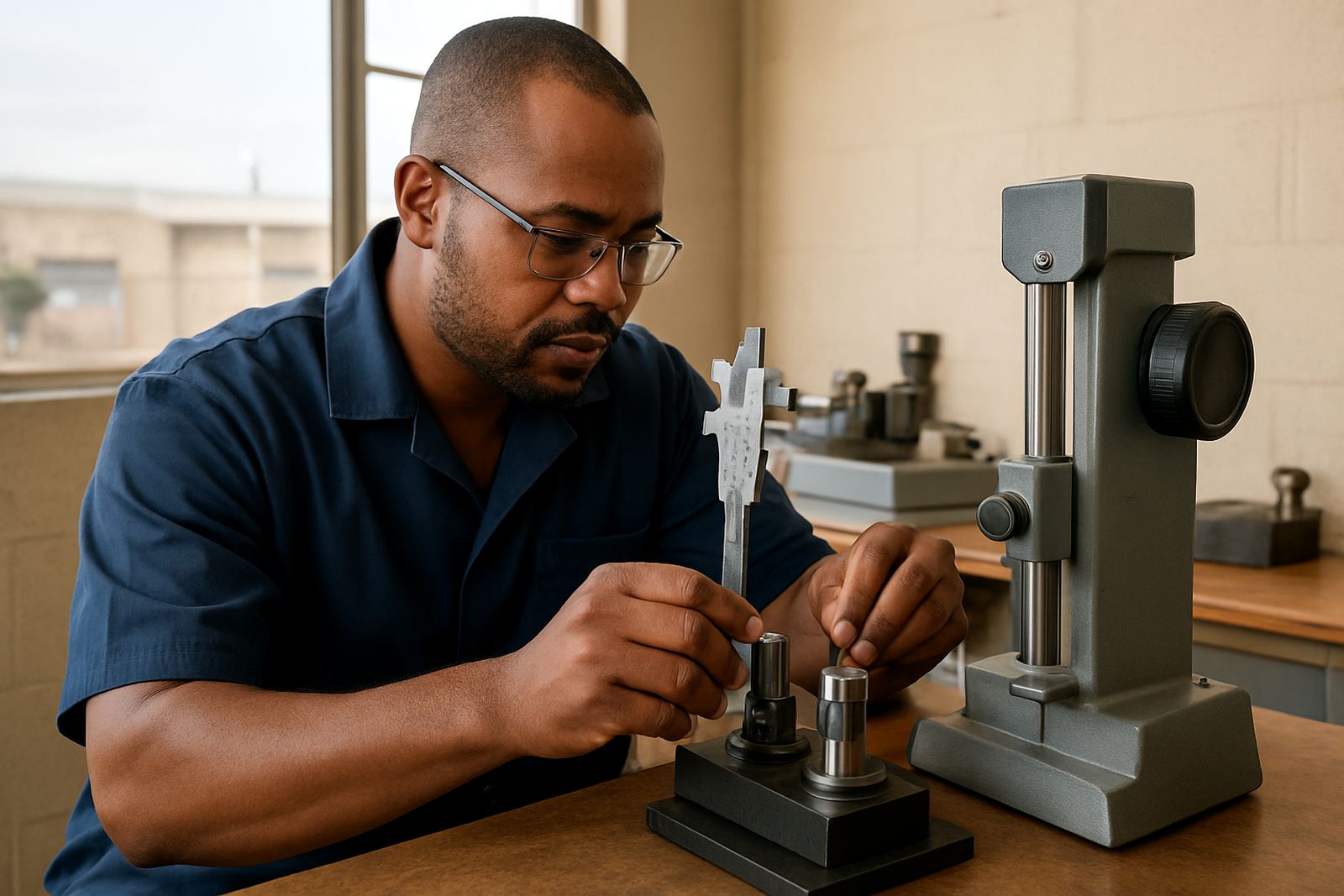
When instruments arrive at our calibration lab, they are logged, inspected for condition, and tested against suitable reference equipment. If adjustment is needed, we handle that before final verification. The aim is to return clear results and practical advice, so you know whether the instrument is fit for service or needs further attention. If a unit shows signs of damage, we will advise before proceeding, so there are no surprises.
- Submit the enquiry form with item details
- Arrange collection or deliver to our Isando base
- We inspect, test and verify the instrument
- Certificates and feedback are issued after completion
How long does turnaround usually take?
Turnaround depends on instrument type, quantity and whether any adjustments are needed. A single caliper or micrometer may be completed faster than a mixed batch of gauges, indicators and torque tools. During busy periods, allow a little extra time, especially if items need repair or the reading is outside acceptable limits.
We always aim to keep communication clear from the start. If you are managing a production line or service contract, tell us the date you need the items back by. That helps us plan collection, testing and return more effectively. For urgent jobs, it is best to flag the deadline in the enquiry form rather than waiting later on.
Couriers moving between Johannesburg, Pretoria and other centres can add transit time, so factor that into your schedule. Planning a few days early is usually better than waiting until the last minute, particularly for plant shutdowns or inspection audits.
What is included on a calibration certificate?
A proper certificate should give you enough information to trace the result and show that the instrument was checked against known references. That matters during quality audits, customer inspections and internal checks. If you are working to a standard, make sure the document is stored where supervisors and quality staff can find it quickly.
While format may vary by instrument, the document normally records the item description, serial or identification number, results obtained, date of service and the outcome. If adjustments were made, that should be noted too. For many businesses in manufacturing and electronics, this paperwork is just as important as the tool itself, because it supports traceability and repeatability.
- Item identification and serial number
- Measured results and reference details
- Date of calibration and next due date
- Pass, fail or adjusted status
Can you collect and return instruments nationwide?
Yes, courier collection is available nationwide. This is useful for factories, maintenance teams and labs that need regular calibration but do not want staff spending time on travel. If you are in Edenvale, Kempton Park or nearby business parks, collection is often especially convenient because it reduces downtime and keeps the workflow moving.
To prepare items for collection, clean them lightly, remove loose packaging, and label each tool clearly. If you are sending a batch, list the contents on the enquiry form so nothing gets missed. For sensitive instruments, use suitable padding and a box that protects against knocks in transit. A simple bit of prep can save a lot of hassle later.
- Clearly label each instrument
- Group items by department or job card
- Use protective packaging for fragile tools
- Include any special instructions or deadlines
Who should use calibration services?
Our support is used by engineers, technicians, manufacturers and service teams who rely on accurate measurement every day. That includes workshops working with calipers and micrometers, maintenance teams using pressure and temperature gauges, and production sites checking torque, force and humidity instruments. If accuracy affects safety, compliance or product quality, calibration is worth scheduling properly.
Accu is based in Isando, Kempton Park, with a team that understands local operating conditions and the pressures of keeping equipment in spec. From busy inland sites to coastal deliveries facing humidity, we help businesses maintain tidy records and reliable measurements under varying conditions. If you are unsure which service your instrument needs, send the details through the enquiry form and we will point you in the right direction.