
Handle Precision Tools With Clean, Dry Hands
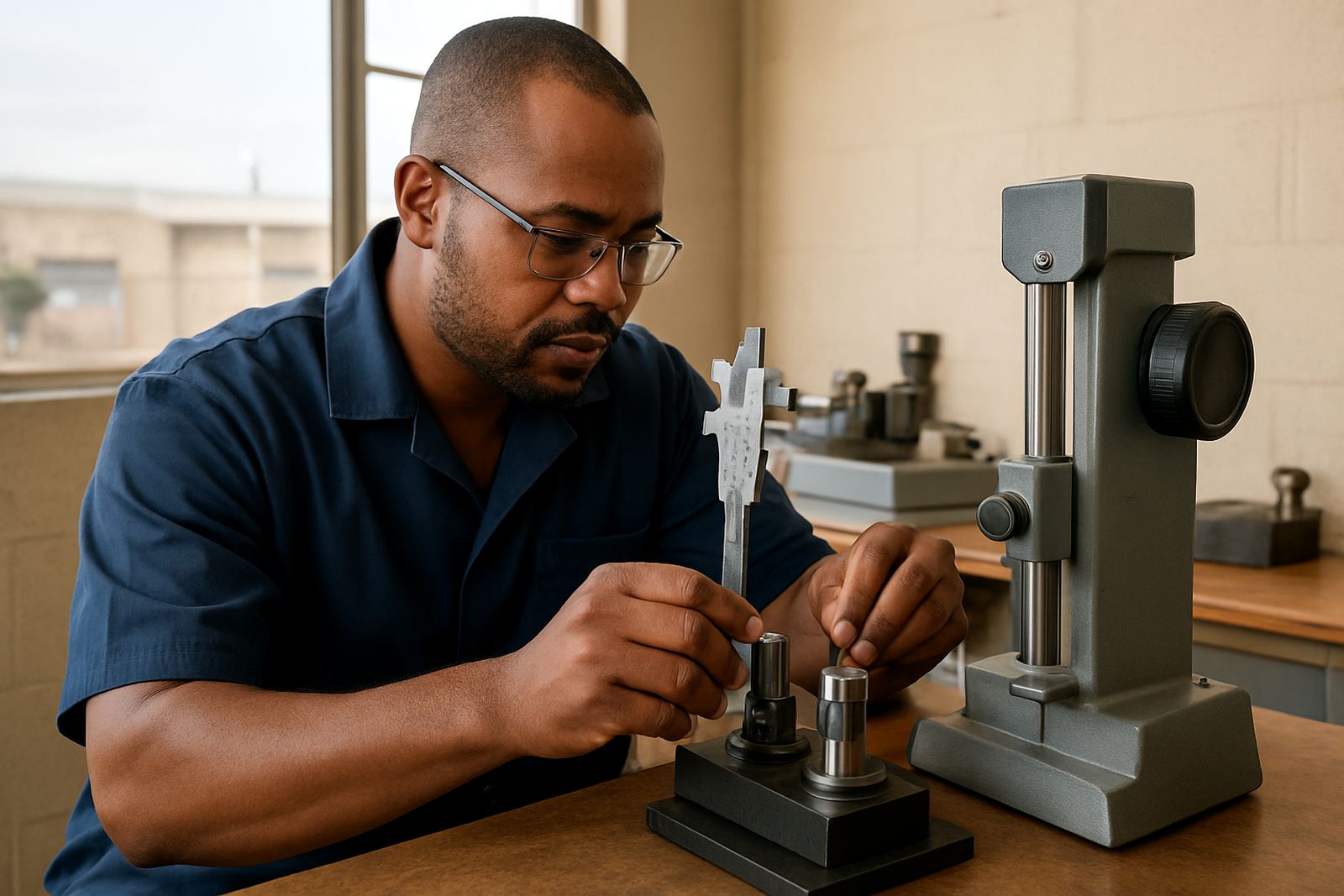
Most measurement errors start before the instrument is even opened. Keep hands clean and dry when handling calipers, micrometers, gauges and indicators, especially in workshops where oil, coolant and metal dust are part of the day. A light film of grime can affect the feel of the spindle or slide and it may also mark the measuring faces.
Do not use a precision instrument as a clamp, a scraper or a general purpose workshop tool. If a caliper is dropped onto a concrete floor in Isando or a micrometer is knocked off a bench in Kempton Park, it should be removed from service and checked before it is used again. Even a small knock can change the reading and the fault is not always visible.
- Pick up the instrument by the body, not by the measuring jaws or spindle.
- Open and close moving parts gently to avoid wear on the threads and guides.
- Keep measuring faces away from swarf, grinding dust and cutting fluid.
Store Instruments Where Temperature and Dust Stay Stable
Storage makes a big difference to service life. Keep precision tools in their cases or in a clean cabinet, away from direct sunlight, vibration and heavy traffic. In coastal areas and humid plant rooms, moisture can sit on steel surfaces overnight so a dry cupboard is better than a shelf near an open roller door. In Gauteng workshops, fine dust and temperature swings between shifts can also affect repeatability.
For tools stored over weekends or during shutdowns, wipe them down first and make sure there is no moisture trapped in the jaws, anvils or under the sliding parts. If your site is exposed to heat, dust or poor air flow, store instruments away from areas where lighting or fans might increase dust movement or raise temperatures. A stable storage space reduces corrosion and keeps the instrument ready for the next job.
- Return each tool to its case after use, with accessories beside it.
- Do not leave gauges on machine tops, windowsills or forklift bins.
- Use silica gel or a dry storage cabinet where humidity is a concern.
Clean Surfaces Without Damaging the Measuring Faces
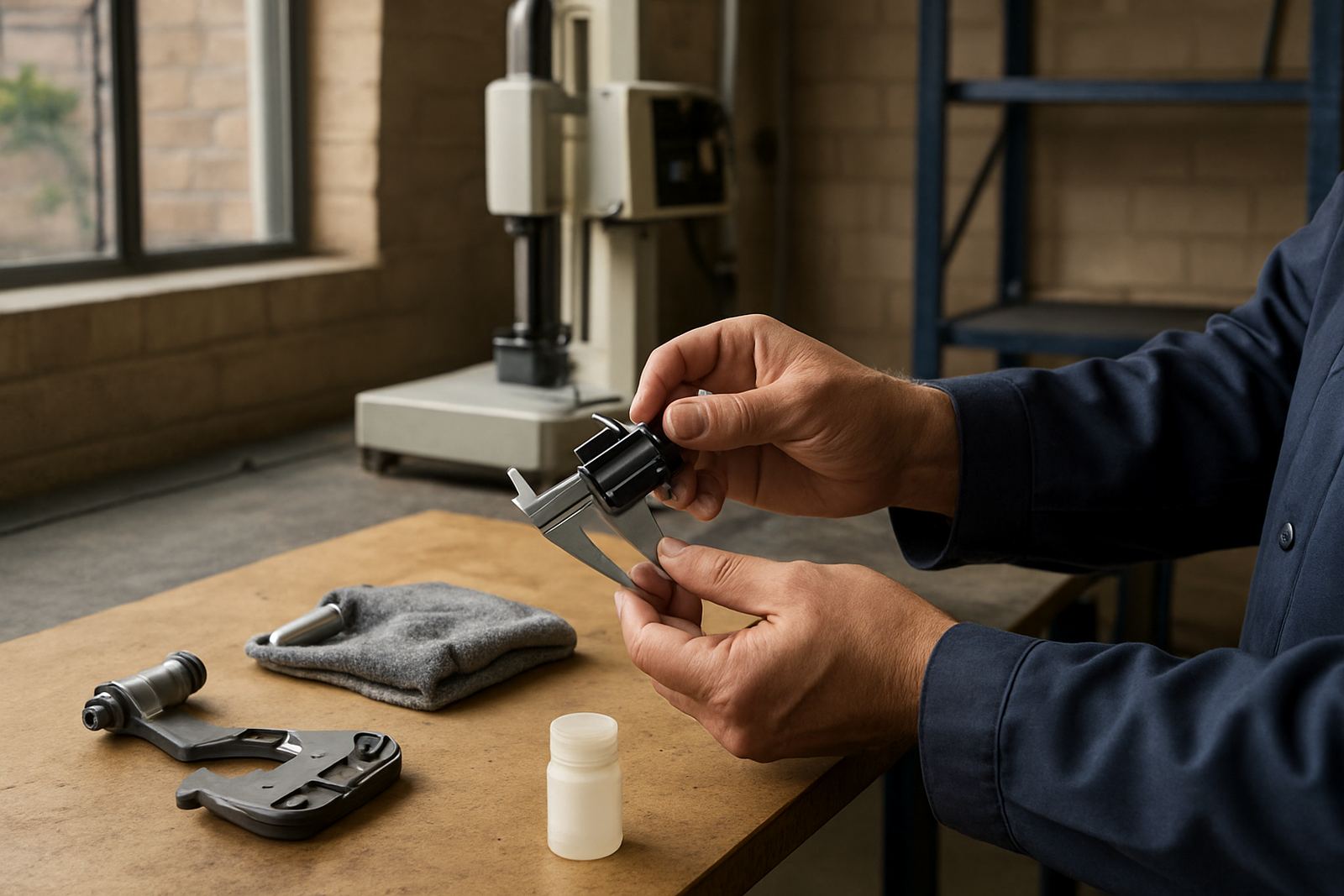
Cleaning should remove dirt without scratching the working surfaces. Use a soft lint-free cloth and a suitable cleaning fluid approved for metal surfaces. Never use coarse rags, wire wool or strong solvents that can dry out seals and markings. If you work around lubricants or coolant, clean the instrument at the end of the shift not later after the residue has had time to harden.
Take care around digital instruments as well. Wipe them gently and avoid excess fluid near buttons, displays and battery compartments. If the instrument has a removable battery, inspect the contacts for corrosion. A clean, dry instrument gives more reliable readings and it also lasts longer between service intervals.
- Use only enough cleaner to lift dirt, not soak the instrument.
- Dry the instrument fully before placing it back in storage.
- Check engraved scales and displays for any sign of wear or fading.
Check Zero, Movement and Contact Before Each Job
A quick pre-use check can prevent bad measurements from spreading through a batch. Set the tool to zero, move it through its full range and listen or feel for rough spots. The slide should move smoothly, the jaws should meet evenly and the display should stabilise without flicker. If the reading drifts or the motion feels tight, stop and investigate rather than forcing the tool into service.
Many teams in manufacturing and maintenance departments build a 30 second check into the start of the shift. That small habit catches bent jaws, worn threads, low batteries and damaged contacts early. It also helps operators spot when an instrument may need calibration sooner than planned.
- Confirm zero before and after use where the instrument design allows it.
- Look for burrs, dents or scratches on the measuring faces.
- Test a known reference if your process calls for repeat checks.
Protect Instruments During Transport and Courier Collection
When instruments move between sites, labs or customers, transport can do more damage than daily use. Pack each item in its case with any accessories secured so they cannot shift and rub against the measuring faces. For courier collection, keep the package clean, dry and clearly labelled so it arrives ready for inspection. Instruments sent from Boksburg, Edenvale or Midrand should be packed the same careful way as a tool travelling from a remote site.
Use bubble wrap or foam only where it supports the case, not where it can press directly on delicate components. Do not mix heavy parts with fine measuring tools in the same carton. If the instrument has already been dropped, flooded or exposed to dust from a workshop repair, note that when arranging collection so the team can assess it properly.
- Lock or close moving parts before packing.
- Keep calibration certificates and accessories in a separate envelope.
- Seal cartons well so they stay closed during transit and handling.
Know When Cleaning Is Not Enough
Good care extends the life of an instrument, but it does not replace calibration or repair. If readings are inconsistent, if the instrument no longer returns to zero, or if the feel has changed after a knock, it should be taken out of use. The same applies when corrosion, cracked housings, loose screws or visible wear appear on the measuring surfaces. These are signs the tool needs professional attention not just a wipe down.
For businesses that rely on repeatable measurements, a simple internal log helps. Record the instrument ID, date of last calibration and any faults noticed during use. That record makes it easier to plan service and avoid surprises during audits or production checks. If you need help deciding whether an instrument should be sent in, our team can advise through the enquiry form on the contact page.